The Esperanto Teacher: A Simple Course for Non-Grammarians
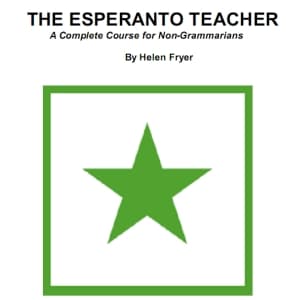
In 1887, a Polish ophthalmologist named L.L. Zamenhof created a language from scratch. His vision was radical: a tongue simple enough for anyone to learn, powerful enough to let strangers from Tokyo and Toronto, from São Paulo and Stockholm, actually understand each other. The language was Esperanto, and this 1909 manual by Helen Fryer brings its promise within reach of every reader. Fryer wrote specifically for people who have always stumbled over grammar, who found traditional language textbooks impenetrable. Her approach is methodical and refreshingly direct: vocabulary lists, clear pronunciation guides, grammar rules explained without jargon, and exercises that build fluency step by step. She urges students to think in Esperanto from the first lesson, to practice actively, to trust the language's elegant regularity. More than a century later, the book remains a fascinating artifact of early 20th-century optimism about global communication. Whether you're a language enthusiast curious about constructed languages, a dreamer who believes in humanity's capacity for understanding, or simply someone who wants to learn Esperanto without getting bogged down in linguistic theory, Fryer's guide offers a genuine entry point into a language that was built to belong to everyone.
Editions
Link to this book
Add a free, dofollow link to Lex on your blog, forum, syllabus, or reading list.

<a href="https://lex-books.com/book/the-esperanto-teacher-a-simple-course-for-non-grammarians-82d9278e-16f2-4b81-998c-551b23ae19a2"><img src="https://lex-books.com/badges/read-on-lex.svg" alt="Read The Esperanto Teacher: A Simple Course for Non-Grammarians by Helen Fryer free on Lex" width="160" height="40"></a>[](https://lex-books.com/book/the-esperanto-teacher-a-simple-course-for-non-grammarians-82d9278e-16f2-4b81-998c-551b23ae19a2)[url=https://lex-books.com/book/the-esperanto-teacher-a-simple-course-for-non-grammarians-82d9278e-16f2-4b81-998c-551b23ae19a2][img]https://lex-books.com/badges/read-on-lex.svg[/img][/url]Read The Esperanto Teacher: A Simple Course for Non-Grammarians by Helen Fryer free on Lex: https://lex-books.com/book/the-esperanto-teacher-a-simple-course-for-non-grammarians-82d9278e-16f2-4b81-998c-551b23ae19a2Cite this book
Reading this edition for a paper or guide? Copy a citation.
Fryer, Helen. The Esperanto Teacher: A Simple Course for Non-Grammarians. Lex, lex-books.com/book/the-esperanto-teacher-a-simple-course-for-non-grammarians-82d9278e-16f2-4b81-998c-551b23ae19a2.Fryer, H. (n.d.). The Esperanto Teacher: A Simple Course for Non-Grammarians. Lex. https://lex-books.com/book/the-esperanto-teacher-a-simple-course-for-non-grammarians-82d9278e-16f2-4b81-998c-551b23ae19a2Fryer, Helen. The Esperanto Teacher: A Simple Course for Non-Grammarians. Lex. https://lex-books.com/book/the-esperanto-teacher-a-simple-course-for-non-grammarians-82d9278e-16f2-4b81-998c-551b23ae19a2.