The Duel
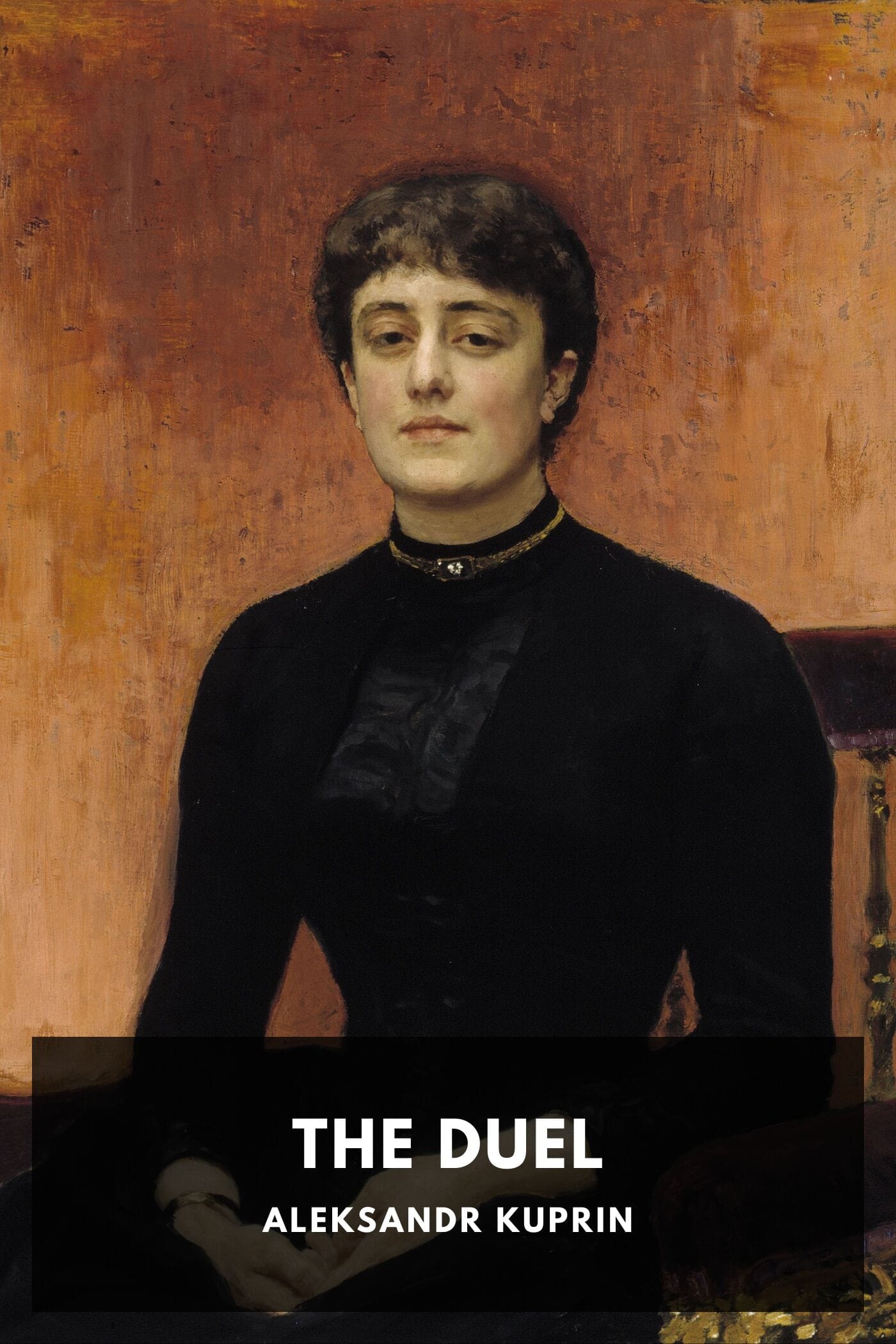
Sublieutenant Romashov, a young officer barely out of his teens, finds himself adrift in the suffocating tedium and casual brutality of military life in a remote Russian garrison. Disillusioned by the boorishness of his fellow officers and the ingrained cruelty of the system, he struggles to maintain his idealism. His only escape, and perhaps his ultimate undoing, comes in the form of a dangerous, ill-fated infatuation with the wife of a fellow officer, an entanglement that inexorably propels him toward a confrontation that will test his courage and his very soul: the titular duel. Kuprin's masterpiece, lauded by literary giants like Tolstoy and Chekhov, offers a searing indictment of the Tsarist military machine on the eve of its collapse. Published amidst the turmoil of the Russo-Japanese War, it's a psychologically acute portrait of a man grappling with honor, love, and the suffocating pressures of a rigid, barbaric society. Kuprin, drawing from his own military experience, renders the minutiae of garrison life with a vivid, unsparing realism, making this a powerful, timeless exploration of disillusionment and the tragic consequences of societal decay.
Editions

X-Ray
A young, idealistic sublieutenant struggling with military life and romantic longing. He is sensitive, prone to romantic fantasies, and increasingly disillusioned with the brutality of army service.
An intelligent, ambitious woman married to Vladimir Nikoläiev. She is passionate but calculating, torn between her feelings for Romashov and her social ambitions.
Shurochka's husband, a military officer preparing for Staff College examinations. He becomes increasingly jealous and suspicious of his wife's relationship with Romashov.
An alcoholic officer and philosopher who serves as Romashov's mentor. He is intelligent but self-destructive, with a past romantic connection to Shurochka.
About The Duel
Chapter Summaries
- I
- Introduction to military life during afternoon drill, where Romashov witnesses the harsh treatment of soldiers and meets fellow officers. The chapter establishes the brutal military environment.
- II
- Romashov walks through town after drill, indulging in romantic fantasies about his future while struggling with loneliness and the reality of his situation.
- III
- Romashov receives a letter from Raisa Peterson and spends the evening at home, reflecting on his philosophical ideas about individual identity and military service.
Key Themes
- Military Brutality and Dehumanization
- Kuprin exposes the cruel, dehumanizing aspects of military life, showing how the system crushes individual dignity and humanity through violence and rigid hierarchy.
- Romantic Idealism vs. Reality
- Romashov's romantic fantasies and idealistic nature clash repeatedly with the harsh realities of his circumstances, leading to disillusionment and tragedy.
- Class and Social Hierarchy
- The novel explores the rigid social stratification of Russian society, particularly within the military, and the barriers it creates between individuals.
Characters
- Georgi Alexievich Romashov(protagonist)
- A young, idealistic sublieutenant struggling with military life and romantic longing. He is sensitive, prone to romantic fantasies, and increasingly disillusioned with the brutality of army service.
- Alexandra Petrovna Nikoläiev (Shurochka)(major)
- An intelligent, ambitious woman married to Vladimir Nikoläiev. She is passionate but calculating, torn between her feelings for Romashov and her social ambitions.
- Vladimir Yefimovich Nikoläiev(major)
- Shurochka's husband, a military officer preparing for Staff College examinations. He becomes increasingly jealous and suspicious of his wife's relationship with Romashov.
- Lieutenant Nasanski(major)
- An alcoholic officer and philosopher who serves as Romashov's mentor. He is intelligent but self-destructive, with a past romantic connection to Shurochka.
- Captain Sliva(antagonist)
- Romashov's company commander, a harsh, old-school military man who represents the brutal aspects of army life. He is contemptuous of Romashov's sensitivity.
- Colonel Shulgovich(antagonist)
- The regimental commander, an imposing but tyrannical figure who embodies military authority and brutality.
Link to this book
Add a free, dofollow link to Lex on your blog, forum, syllabus, or reading list.

<a href="https://lex-books.com/book/the-duel-29fcdf02-6216-4a1d-b8b3-582c532d9955"><img src="https://lex-books.com/badges/read-on-lex.svg" alt="Read The Duel by Aleksandr Kuprin free on Lex" width="160" height="40"></a>[](https://lex-books.com/book/the-duel-29fcdf02-6216-4a1d-b8b3-582c532d9955)[url=https://lex-books.com/book/the-duel-29fcdf02-6216-4a1d-b8b3-582c532d9955][img]https://lex-books.com/badges/read-on-lex.svg[/img][/url]Read The Duel by Aleksandr Kuprin free on Lex: https://lex-books.com/book/the-duel-29fcdf02-6216-4a1d-b8b3-582c532d9955Cite this book
Reading this edition for a paper or guide? Copy a citation.
Kuprin, Aleksandr. The Duel. Lex, lex-books.com/book/the-duel-29fcdf02-6216-4a1d-b8b3-582c532d9955.Kuprin, A. (n.d.). The Duel. Lex. https://lex-books.com/book/the-duel-29fcdf02-6216-4a1d-b8b3-582c532d9955Kuprin, Aleksandr. The Duel. Lex. https://lex-books.com/book/the-duel-29fcdf02-6216-4a1d-b8b3-582c532d9955.