The Devil's Pool
1846

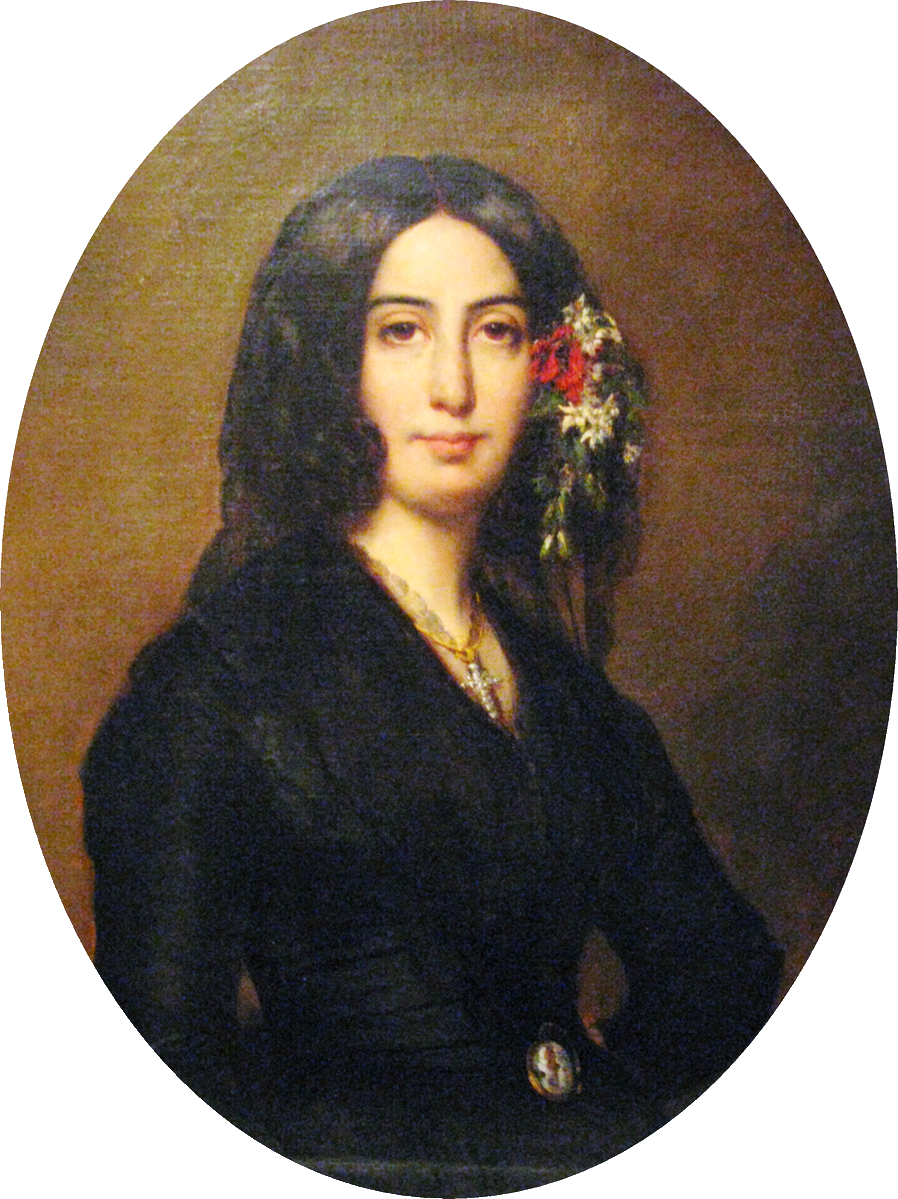
After losing his wife, Germain faces an impossible choice: marry a wealthy widow his family has arranged, or follow his heart to Marie, a young shepherdess from his own village. The path to happiness is anything but simple in this tender pastoral novel. George Sand depicts rural French life with extraordinary compassion, revealing the complex emotional worlds of peasants so often dismissed as simple. Germain's grief and loneliness, his children's need for a mother's love, and his impossible attraction to a woman society deems unsuitable create a quietly devastating portrait of duty versus desire. The romantic tension builds through stolen glances in the fields and quiet moments that carry the weight of entire futures. What makes this 1846 novel remarkable is Sand's refusal to condescend to her working-class characters. They think, feel, and struggle with the same dignity as any aristocrat. For readers who believe love should transcend class, this is a quiet revolution.
Editions


X-Ray
“The maid told him that a girl and a child had come looking for him, but since she didn't know them, she hadn't cared to ask them in, and had told them to go on to Mers."Why didn't you let them in?" asked Germain angrily. "People must be very suspicious in this part of the world, if they won't open the front door to a neighbor.""Well, naturally!" replied the maid. "In a house as rich as this, you have to keep a close watch on things. While the master's away I'm responsible for everything, and I can't just open the door to anyone at all.""That's a mean way to live," said Germain; "I'd rather be poor than live in fear like that. Good-bye to you, miss, and good-bye to this horrible country of yours!””
— George Sand
“Chacun pourrait s'intéresser au roman de sa propre vie, s'il l'avait compris...””
— George Sand
“L'alouette, qui chantait en montant vers les cieux, lui semblait être la voix de son cur rendant grâce à la Providence.””
— George Sand
“Beau chou, disent-ils, vis et fleuris, afin que notre jeune mariée ait un beau petit enfant avant la fin de l'année; car si tu mourais trop vite ce serait signe de stérilité, et tu serais là-haut sur sa maison comme un mauvais présage.””
— George Sand
“chou est le symbole de la fécondité de””
— George Sand
“Le fossoyeur fit la cuisine et la fit fort bien. Il””
— George Sand
“la cérémonie des livrées.””
— George Sand
“bon Dieu ne fait personne sans lui réserver son bonheur dans une autre personne.””
— George Sand
“On ne le trouve pas quand on le cherche; il vient à nous quand nous ne l'attendons pas.””
— George Sand
Link to this book
Add a free, dofollow link to Lex on your blog, forum, syllabus, or reading list.

<a href="https://lex-books.com/book/the-devil-s-pool-730221d8-f923-4bfe-bea0-45d945b9bfc9"><img src="https://lex-books.com/badges/read-on-lex.svg" alt="Read The Devil's Pool by George Sand free on Lex" width="160" height="40"></a>[](https://lex-books.com/book/the-devil-s-pool-730221d8-f923-4bfe-bea0-45d945b9bfc9)[url=https://lex-books.com/book/the-devil-s-pool-730221d8-f923-4bfe-bea0-45d945b9bfc9][img]https://lex-books.com/badges/read-on-lex.svg[/img][/url]Read The Devil's Pool by George Sand free on Lex: https://lex-books.com/book/the-devil-s-pool-730221d8-f923-4bfe-bea0-45d945b9bfc9Cite this book
Reading this edition for a paper or guide? Copy a citation.
Sand, George. The Devil's Pool. Lex, lex-books.com/book/the-devil-s-pool-730221d8-f923-4bfe-bea0-45d945b9bfc9.Sand, G. (1846). The Devil's Pool. Lex. https://lex-books.com/book/the-devil-s-pool-730221d8-f923-4bfe-bea0-45d945b9bfc9Sand, George. The Devil's Pool. Lex. https://lex-books.com/book/the-devil-s-pool-730221d8-f923-4bfe-bea0-45d945b9bfc9.