The Commune of London, and Other Studies
1899
The Commune of London, and Other Studies
1899
The Commune of London, and Other Studies, published in 1899 by John Horace Round, is a historical analysis of London's governance, particularly during the 12th century. The book explores the origins of the City Corporation and the communal organization of London, examining key events and the roles of the clergy in shaping municipal life. Round's extensive research provides new insights into the evolution of the Mayor and Common Council, making it a significant contribution to the study of early English history and municipal governance.
Editions
X-Ray
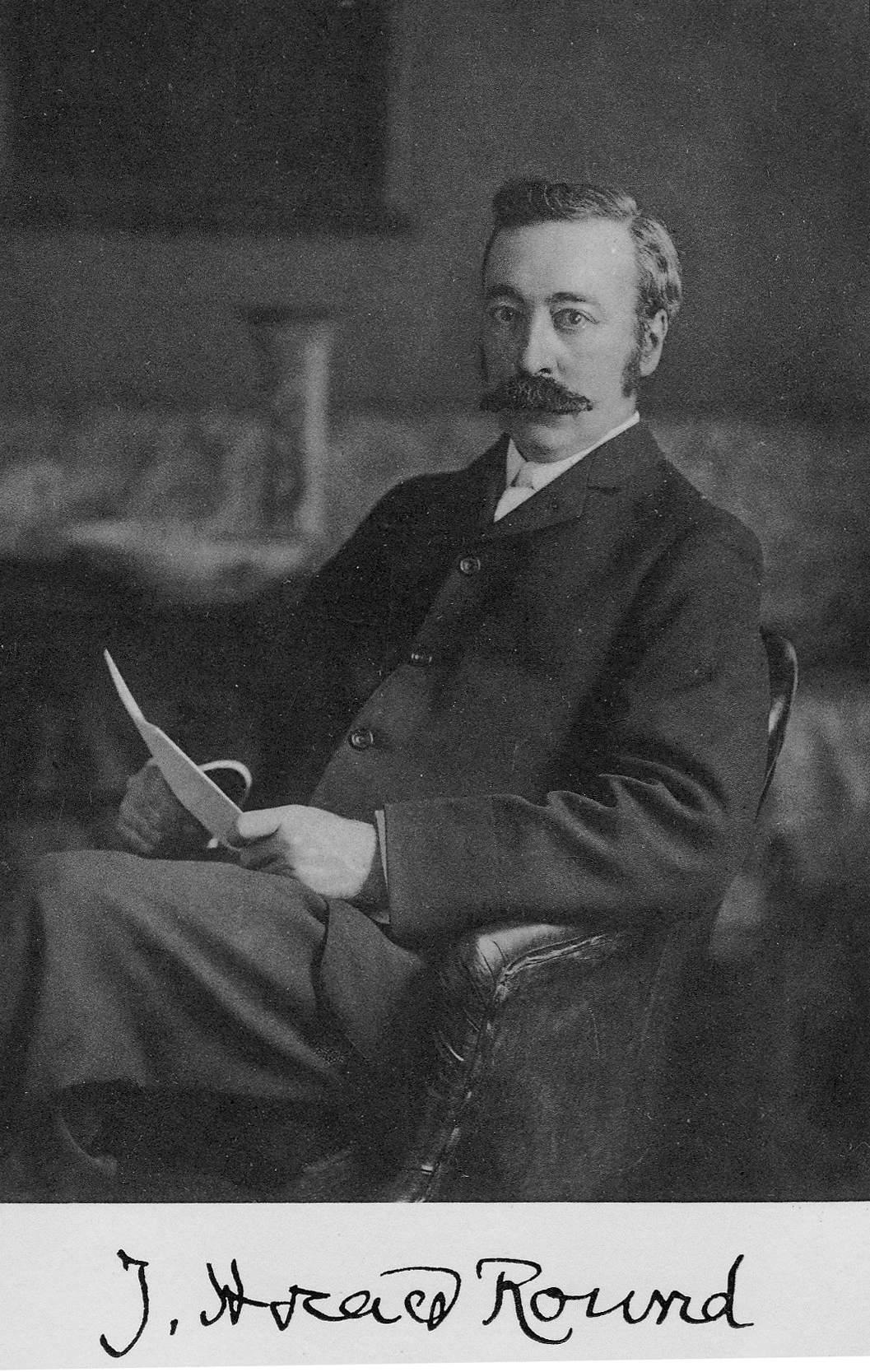
The author and historian, a meticulous scholar specializing in Norman and medieval English history. Known for his critical examination of historical documents and his challenges to established historical narratives.
A prominent Victorian historian whose theories about the Battle of Hastings and other medieval events Round systematically challenges. Represents the older school of historical scholarship that Round seeks to correct.
Bishop of Oxford and distinguished medieval historian. A contemporary authority whom Round both respects and occasionally corrects, particularly regarding constitutional and administrative history.
Author of the prefatory letter, praising Round's contributions to London history. Acknowledges his debt to Round's scholarship for understanding 12th-century London.
About The Commune of London, and Other Studies
Chapter Summaries
- I
- Round challenges existing theories about Anglo-Saxon settlement patterns by examining place-names ending in -ham, -ton, and -ing. He argues that these suffixes indicate different periods of settlement and questions Kemble's 'mark system' theory.
- II
- Examines two churchmen who served both before and after the Norman Conquest, using charter evidence to trace their careers and demonstrate continuity in ecclesiastical administration across the political divide.
- III
- A detailed critique of Mr. Oman's 'History of the Art of War,' focusing on his contradictory accounts of the Battle of Hastings and the English shield wall formation, demonstrating the importance of consistent historical analysis.
Key Themes
- Historical Methodology and Source Criticism
- Round consistently emphasizes the importance of examining original documents rather than accepting received wisdom, demonstrating how careful analysis of charters, pipe rolls, and chronicles can overturn long-held historical beliefs.
- Administrative and Constitutional Development
- The evolution of English governmental institutions from Anglo-Saxon through Norman times, particularly the development of the Exchequer, shrievalty, and municipal government, showing how administrative innovation shaped political power.
- Norman Impact on English Society
- The transformation of English institutions following 1066, examining how Norman administrative practices, feudal tenure, and continental influences reshaped English governance while building on existing foundations.
Characters
- J. H. Round(protagonist)
- The author and historian, a meticulous scholar specializing in Norman and medieval English history. Known for his critical examination of historical documents and his challenges to established historical narratives.
- Professor Freeman(antagonist)
- A prominent Victorian historian whose theories about the Battle of Hastings and other medieval events Round systematically challenges. Represents the older school of historical scholarship that Round seeks to correct.
- Dr. Stubbs(major)
- Bishop of Oxford and distinguished medieval historian. A contemporary authority whom Round both respects and occasionally corrects, particularly regarding constitutional and administrative history.
- Sir Walter Besant(major)
- Author of the prefatory letter, praising Round's contributions to London history. Acknowledges his debt to Round's scholarship for understanding 12th-century London.
- Mr. Oman(major)
- Military historian and author of 'History of the Art of War' whom Round criticizes for inconsistencies and errors in his account of medieval warfare.
- Henry II(major)
- King of England whose administrative reforms, particularly the Exchequer system, feature prominently in Round's studies. Central figure in the Irish conquest narrative.
Link to this book
Add a free, dofollow link to Lex on your blog, forum, syllabus, or reading list.

<a href="https://lex-books.com/book/the-commune-of-london-and-other-studies-d882609f-1a5a-4ee7-8951-e806b989b75c"><img src="https://lex-books.com/badges/read-on-lex.svg" alt="Read The Commune of London, and Other Studies by John Horace Round free on Lex" width="160" height="40"></a>[](https://lex-books.com/book/the-commune-of-london-and-other-studies-d882609f-1a5a-4ee7-8951-e806b989b75c)[url=https://lex-books.com/book/the-commune-of-london-and-other-studies-d882609f-1a5a-4ee7-8951-e806b989b75c][img]https://lex-books.com/badges/read-on-lex.svg[/img][/url]Read The Commune of London, and Other Studies by John Horace Round free on Lex: https://lex-books.com/book/the-commune-of-london-and-other-studies-d882609f-1a5a-4ee7-8951-e806b989b75cCite this book
Reading this edition for a paper or guide? Copy a citation.
Round, John Horace. The Commune of London, and Other Studies. Lex, lex-books.com/book/the-commune-of-london-and-other-studies-d882609f-1a5a-4ee7-8951-e806b989b75c.Round, J. H. (1899). The Commune of London, and Other Studies. Lex. https://lex-books.com/book/the-commune-of-london-and-other-studies-d882609f-1a5a-4ee7-8951-e806b989b75cRound, John Horace. The Commune of London, and Other Studies. Lex. https://lex-books.com/book/the-commune-of-london-and-other-studies-d882609f-1a5a-4ee7-8951-e806b989b75c.