Geoffrey de Mandeville: A study of the Anarchy

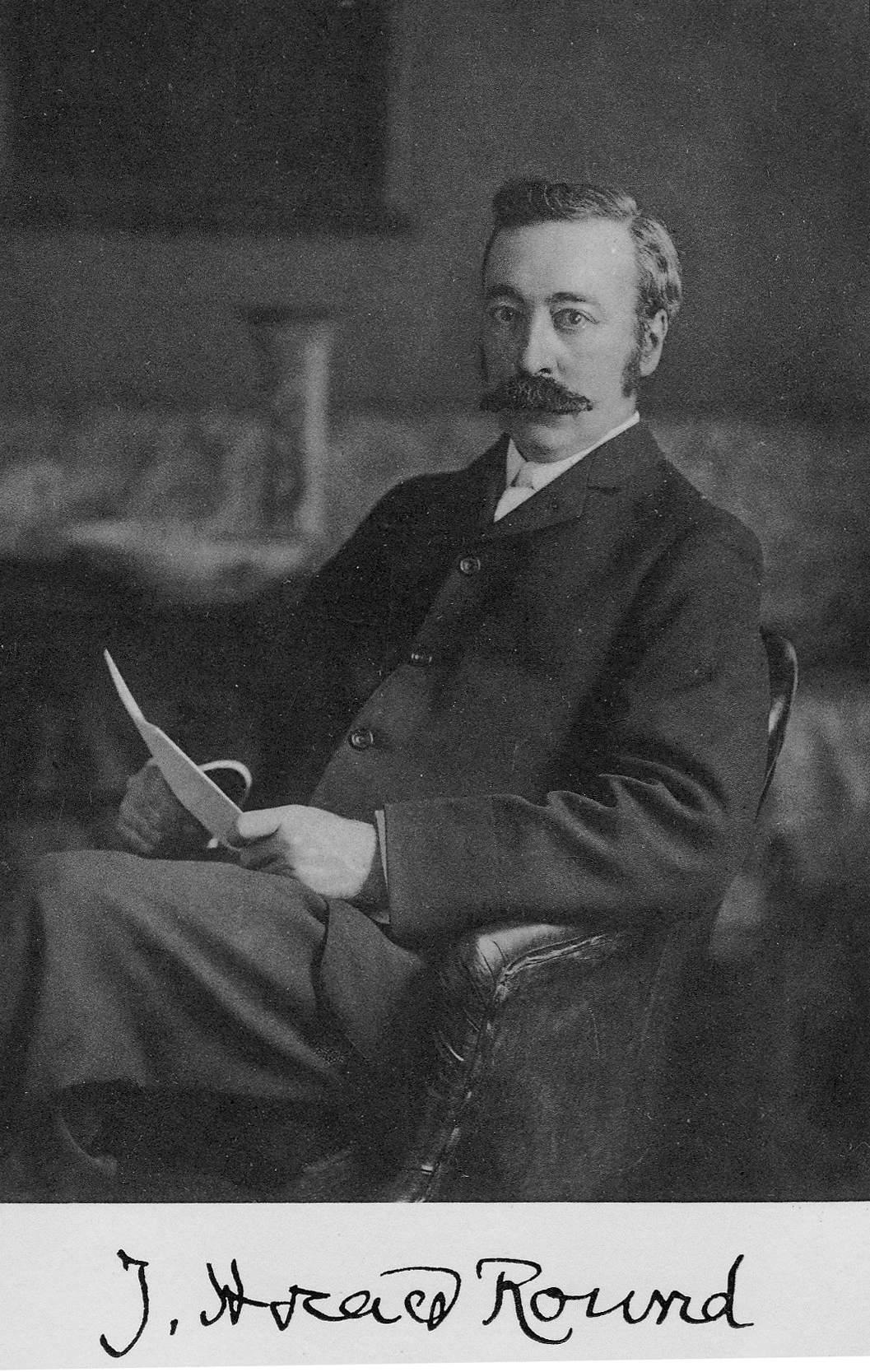
In 1135, England collapsed into civil war. When Henry I died without a clear heir, the kingdom fractured between Stephen of Blois and Empress Matilda, and in that vacuum, something ancient and terrifying emerged: feudalism unchained. John Horace Round's 1892 study uses Geoffrey de Mandeville as his lens, a baron whose career perfectly crystallizes the anarchy that gave this era its name. Mandeville moved through the chaos with ruthless pragmatism, switching allegiances, seizing royal castles, and extracting promises he had no intention of keeping. But this is far more than a biography. Round excavates charters, chronicles, and legal documents to demonstrate something unsettling: the Anarchy wasn't a aberration. It was feudalism working exactly as its logic demanded, when no strong hand held it in check. The result is a bracing piece of Victorian scholarship that reads less like a dusty monograph than a dark anatomy of political failure. For anyone who wonders how states unravel, how loyalities become negotiable, and how quickly civilization can become a bargaining chip, the Anarchy remains the clearest case study in the English experience.
Editions

Link to this book
Add a free, dofollow link to Lex on your blog, forum, syllabus, or reading list.

<a href="https://lex-books.com/book/geoffrey-de-mandeville-a-study-of-the-anarchy-678f7442-2847-4155-b159-7b115ab6db8f"><img src="https://lex-books.com/badges/read-on-lex.svg" alt="Read Geoffrey de Mandeville: A study of the Anarchy by John Horace Round free on Lex" width="160" height="40"></a>[](https://lex-books.com/book/geoffrey-de-mandeville-a-study-of-the-anarchy-678f7442-2847-4155-b159-7b115ab6db8f)[url=https://lex-books.com/book/geoffrey-de-mandeville-a-study-of-the-anarchy-678f7442-2847-4155-b159-7b115ab6db8f][img]https://lex-books.com/badges/read-on-lex.svg[/img][/url]Read Geoffrey de Mandeville: A study of the Anarchy by John Horace Round free on Lex: https://lex-books.com/book/geoffrey-de-mandeville-a-study-of-the-anarchy-678f7442-2847-4155-b159-7b115ab6db8fCite this book
Reading this edition for a paper or guide? Copy a citation.
Round, John Horace. Geoffrey de Mandeville: A study of the Anarchy. Lex, lex-books.com/book/geoffrey-de-mandeville-a-study-of-the-anarchy-678f7442-2847-4155-b159-7b115ab6db8f.Round, J. H. (n.d.). Geoffrey de Mandeville: A study of the Anarchy. Lex. https://lex-books.com/book/geoffrey-de-mandeville-a-study-of-the-anarchy-678f7442-2847-4155-b159-7b115ab6db8fRound, John Horace. Geoffrey de Mandeville: A study of the Anarchy. Lex. https://lex-books.com/book/geoffrey-de-mandeville-a-study-of-the-anarchy-678f7442-2847-4155-b159-7b115ab6db8f.