The Clique of Gold
1871
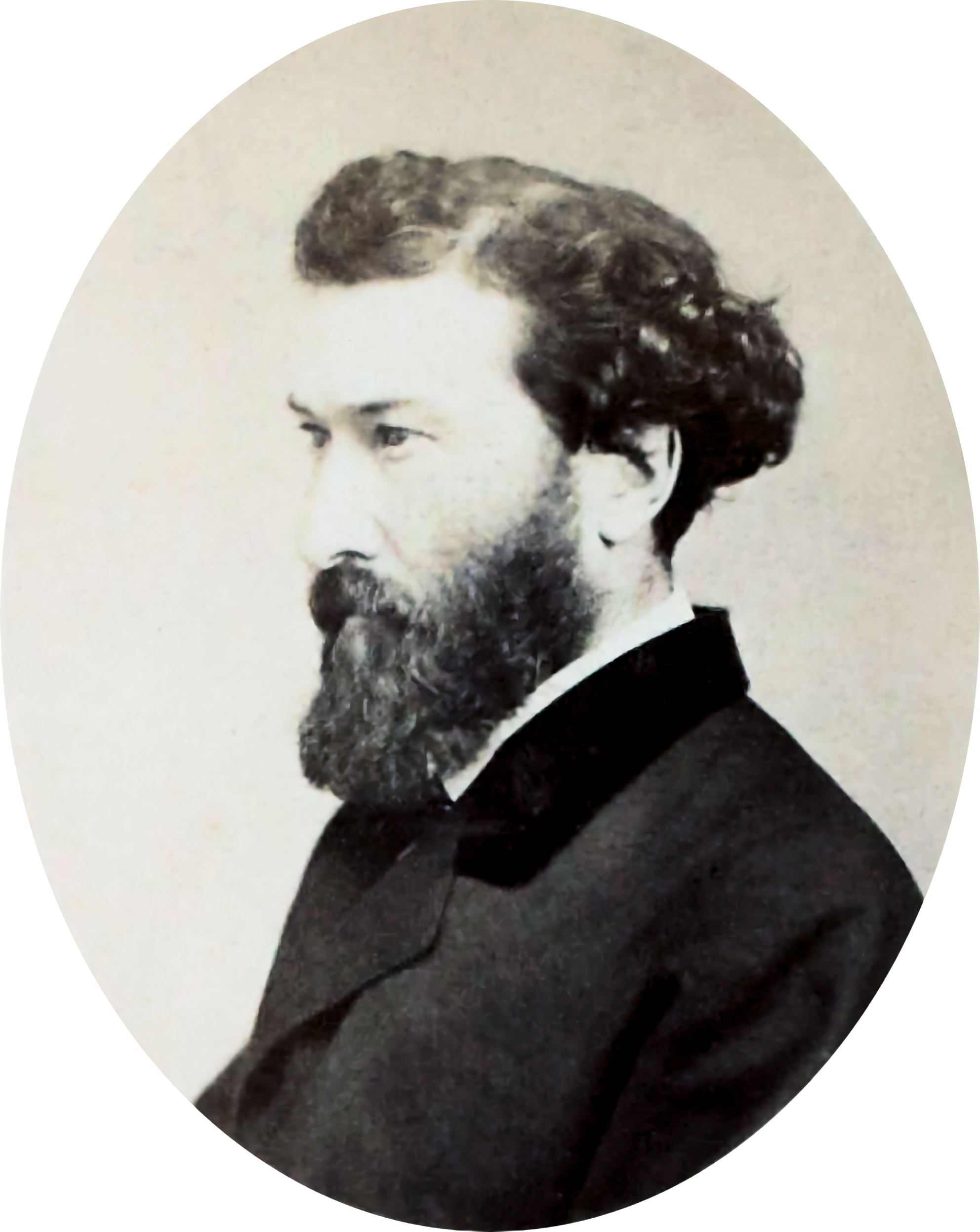
No. 23 Grange Street wears its respectability like a mask. Behind its doors, poverty drives a young girl named Henrietta to attempt suicide in her squalid room, her body discovered by neighbors who murmur sympathy but calculate angles. Enter Papa Ravinet, a second-hand dealer with kind words and suspicious generosity. His interest in Henrietta's fate seems almost too compassionate, too calculated. As the building's inhabitants - each harboring their own secrets and debts - gather to discuss her fate, Gaboriau pulls back the curtain on Parisian society's dark underbelly. This is a world where survival demands moral compromise, where charity may conceal transaction, and where the line between victim and predator blurs in cramped hallways. Written a decade before Sherlock Holmes, The Clique of Gold anticipates the psychological thriller, weaving social realism with mounting dread. It endures for readers who crave Victorian fiction that implicates its audience: we are all neighbors in this building, all complicit.
Editions
X-Ray
“THERE IS NOT IN ALL Paris a house better kept or more inviting-looking than No. 23 in Grange Street. As soon as you enter, you are struck by a minute, extreme neatness, which reminds you of Holland, and almost sets you a-laughing. The neighbors might use the brass plate on the door as a mirror to shave in; the stone floor is polished till it shines; and the woodwork of the staircase is varnished to perfection.””
— Emile Gaboriau
Link to this book
Add a free, dofollow link to Lex on your blog, forum, syllabus, or reading list.

<a href="https://lex-books.com/book/the-clique-of-gold-17c77c16-ed3c-4284-9bc2-e05908c414cf"><img src="https://lex-books.com/badges/read-on-lex.svg" alt="Read The Clique of Gold by Emile Gaboriau free on Lex" width="160" height="40"></a>[](https://lex-books.com/book/the-clique-of-gold-17c77c16-ed3c-4284-9bc2-e05908c414cf)[url=https://lex-books.com/book/the-clique-of-gold-17c77c16-ed3c-4284-9bc2-e05908c414cf][img]https://lex-books.com/badges/read-on-lex.svg[/img][/url]Read The Clique of Gold by Emile Gaboriau free on Lex: https://lex-books.com/book/the-clique-of-gold-17c77c16-ed3c-4284-9bc2-e05908c414cfCite this book
Reading this edition for a paper or guide? Copy a citation.
Gaboriau, Emile. The Clique of Gold. Lex, lex-books.com/book/the-clique-of-gold-17c77c16-ed3c-4284-9bc2-e05908c414cf.Gaboriau, E. (1871). The Clique of Gold. Lex. https://lex-books.com/book/the-clique-of-gold-17c77c16-ed3c-4284-9bc2-e05908c414cfGaboriau, Emile. The Clique of Gold. Lex. https://lex-books.com/book/the-clique-of-gold-17c77c16-ed3c-4284-9bc2-e05908c414cf.