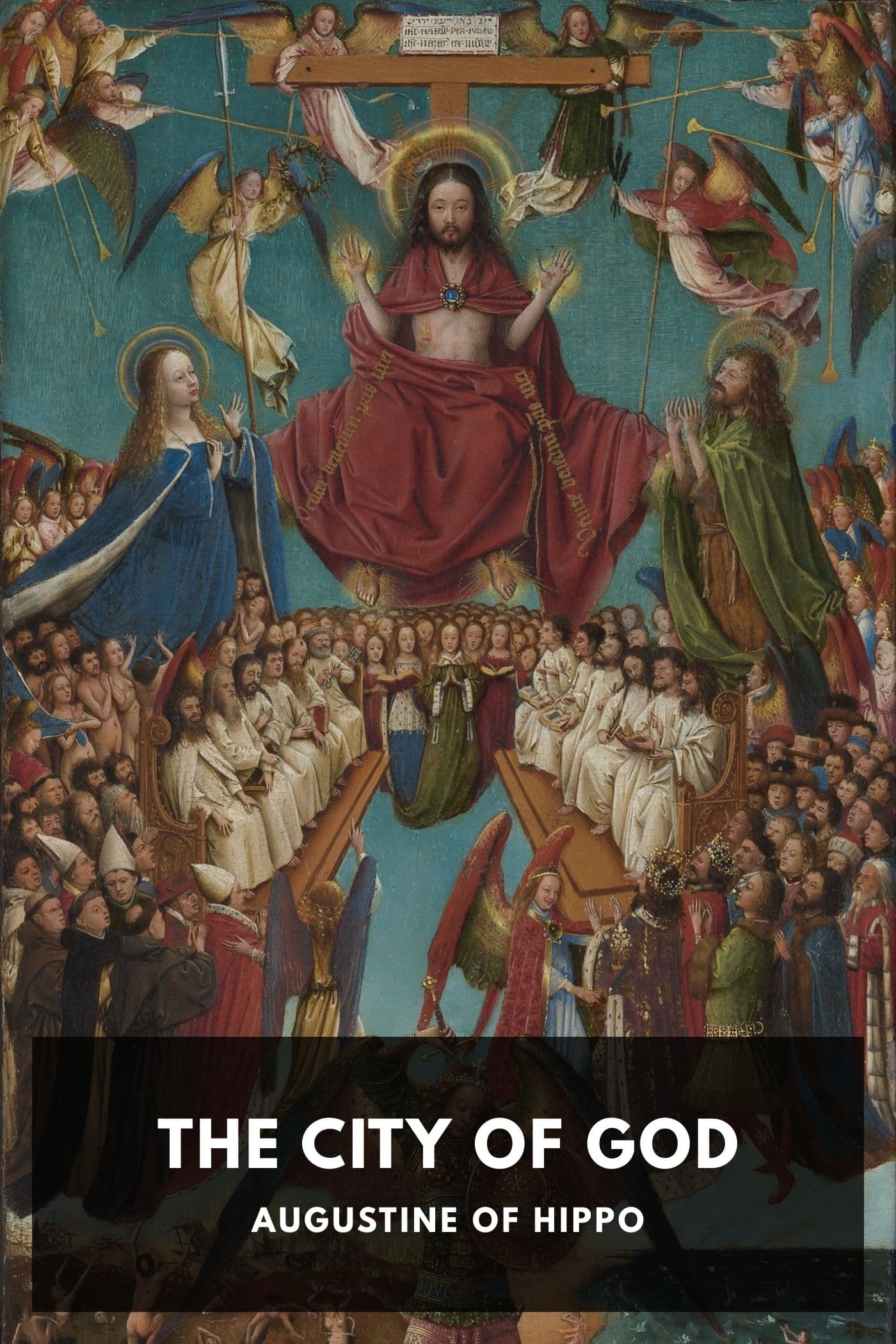
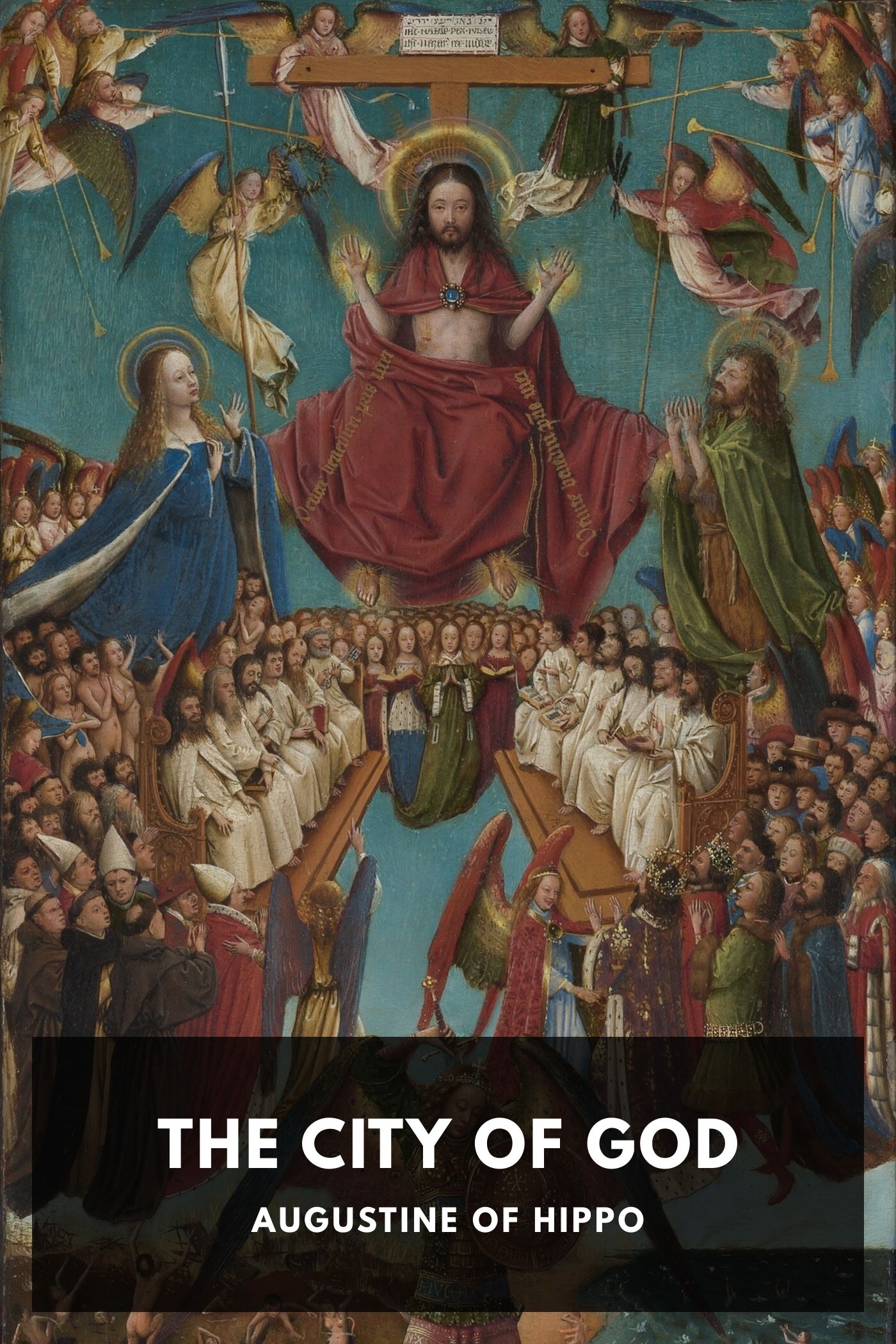
The City of God
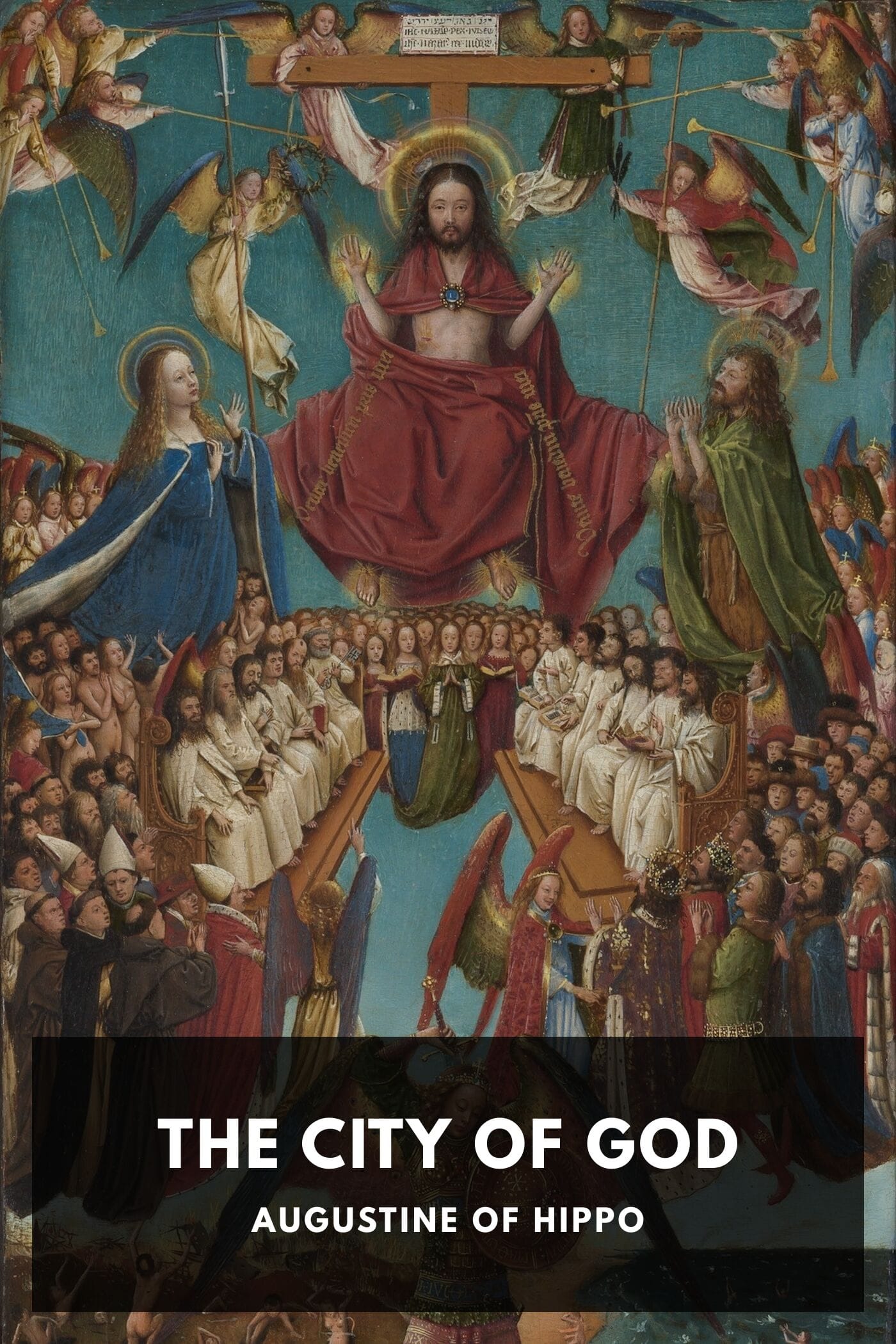
In the wake of Rome's devastating sack in 410 CE, a shaken populace sought answers, with many blaming Christianity for abandoning traditional Roman gods. Augustine of Hippo's monumental *City of God*, penned over thirteen years, rises as a towering defense. The first ten books systematically dismantle pagan religion and philosophy, meticulously demonstrating that Roman deities offered neither temporal salvation from past calamities nor genuine happiness. Augustine deftly refutes pagan critiques of Christianity, engaging with and often affirming elements of classical thought, particularly Platonism, while asserting the superior truth of Christian philosophy. The latter half of this sprawling work charts a cosmic history, presenting the world's genesis, progression, and ultimate destiny through the lens of two competing 'cities': the City of God, governed by divine will, and the Earthly City, swayed by the devil. Augustine delves into creation, the origins of evil, sin, and death, weaving together biblical and secular histories to trace the parallel journeys of these two realms. He culminates with a profound meditation on final judgment, arguing that eternal happiness lies solely in pursuing God, while the Earthly City's inhabitants are destined for perpetual misery. It's a foundational text grappling with political philosophy, moral ethics, and the very nature of existence.
Editions

Link to this book
Add a free, dofollow link to Lex on your blog, forum, syllabus, or reading list.

<a href="https://lex-books.com/book/the-city-of-god-6d96c044-1506-4c8f-837e-0223f1cfb65a"><img src="https://lex-books.com/badges/read-on-lex.svg" alt="Read The City of God by Augustine of Hippo free on Lex" width="160" height="40"></a>[](https://lex-books.com/book/the-city-of-god-6d96c044-1506-4c8f-837e-0223f1cfb65a)[url=https://lex-books.com/book/the-city-of-god-6d96c044-1506-4c8f-837e-0223f1cfb65a][img]https://lex-books.com/badges/read-on-lex.svg[/img][/url]Read The City of God by Augustine of Hippo free on Lex: https://lex-books.com/book/the-city-of-god-6d96c044-1506-4c8f-837e-0223f1cfb65aCite this book
Reading this edition for a paper or guide? Copy a citation.
Hippo, Augustine of. The City of God. Lex, lex-books.com/book/the-city-of-god-6d96c044-1506-4c8f-837e-0223f1cfb65a.Hippo, A. O. (n.d.). The City of God. Lex. https://lex-books.com/book/the-city-of-god-6d96c044-1506-4c8f-837e-0223f1cfb65aHippo, Augustine of. The City of God. Lex. https://lex-books.com/book/the-city-of-god-6d96c044-1506-4c8f-837e-0223f1cfb65a.