The Americanism of Washington
1906
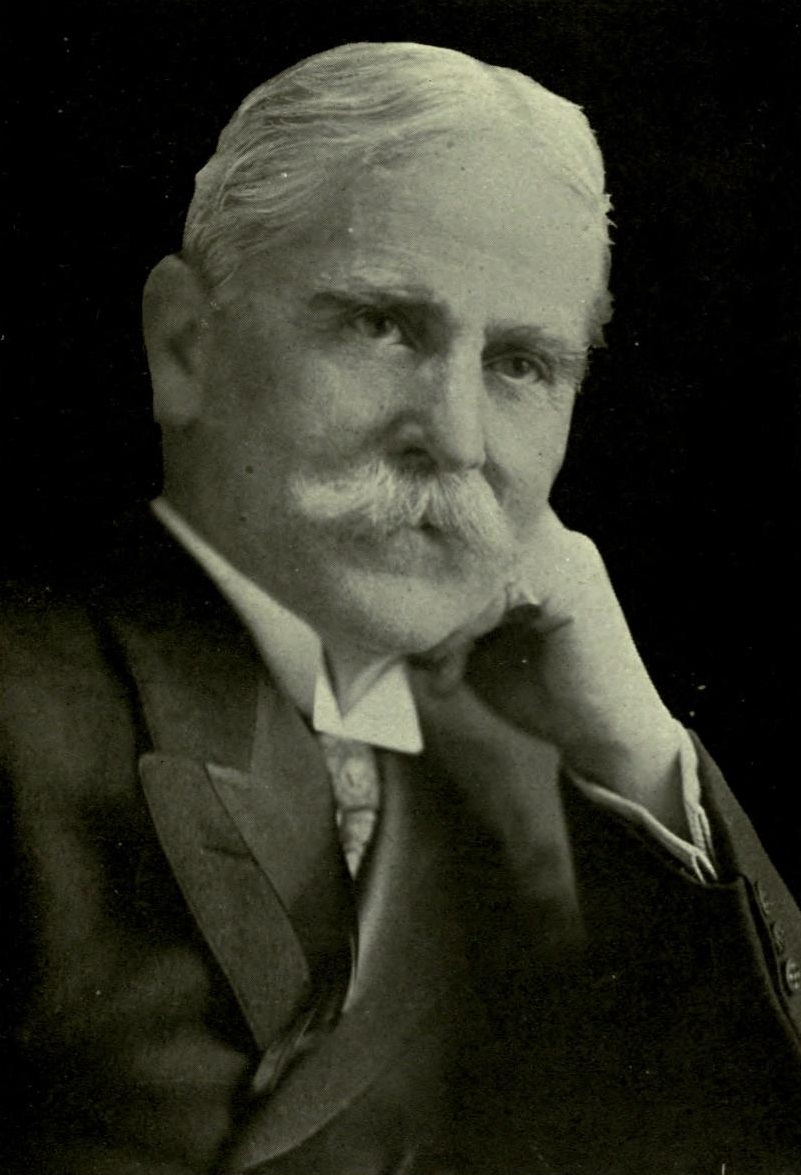
In this luminous 1906 essay, Henry Van Dyke undertakes something more radical than biography: he rescues George Washington from the marble statue and restores him as a living argument about what America could and should be. Written during an era of rapid industrialization and imperial ambition, Van Dyke refuses the easy path of hagiography. Instead, he presents Washington as a man whose greatness lay not in military genius or political office, but in his stubborn, principled commitment to the collective good over personal power. The essay pulses with a quiet urgency, arguing that true Americanism was never about ancestry or circumstance, but about a moral creed: the belief that human rights, justice, and civic duty transcend individual ambition. Van Dyke emphasizes that Washington was not an isolated virtuoso but part of a constellation of leaders who shared a dedication to something larger than themselves. The result is less a historical portrait than a philosophical provocation: what would it mean to take Washington's ideals seriously today? For readers hungry for thoughtful meditations on American identity, on the Founding era's unresolved tensions between liberty and obligation, this compact essay remains surprisingly vital.
Editions
Link to this book
Add a free, dofollow link to Lex on your blog, forum, syllabus, or reading list.

<a href="https://lex-books.com/book/the-americanism-of-washington-3bbd4175-a306-42a4-844a-bfcda0fb5d04"><img src="https://lex-books.com/badges/read-on-lex.svg" alt="Read The Americanism of Washington by Henry Van Dyke free on Lex" width="160" height="40"></a>[](https://lex-books.com/book/the-americanism-of-washington-3bbd4175-a306-42a4-844a-bfcda0fb5d04)[url=https://lex-books.com/book/the-americanism-of-washington-3bbd4175-a306-42a4-844a-bfcda0fb5d04][img]https://lex-books.com/badges/read-on-lex.svg[/img][/url]Read The Americanism of Washington by Henry Van Dyke free on Lex: https://lex-books.com/book/the-americanism-of-washington-3bbd4175-a306-42a4-844a-bfcda0fb5d04Cite this book
Reading this edition for a paper or guide? Copy a citation.
Dyke, Henry Van. The Americanism of Washington. Lex, lex-books.com/book/the-americanism-of-washington-3bbd4175-a306-42a4-844a-bfcda0fb5d04.Dyke, H. V. (1906). The Americanism of Washington. Lex. https://lex-books.com/book/the-americanism-of-washington-3bbd4175-a306-42a4-844a-bfcda0fb5d04Dyke, Henry Van. The Americanism of Washington. Lex. https://lex-books.com/book/the-americanism-of-washington-3bbd4175-a306-42a4-844a-bfcda0fb5d04.