Sunshine Sketches of a Little Town
1912
Stephen Leacock's masterpiece collects twelve interconnected sketches of Mariposa, a fictional town on Lake Wissanotti that is either the most important place on Earth or the most absurdly insignificant one, depending on whom you ask. The narrator treats every local scandal, civic meeting, and mishap with the gravity of international affairs, which is precisely what makes the comedy so devastating. We meet Mr. Smith, the hotel owner whose liquor license troubles become a municipal crisis, and Jefferson Thorpe, the barber whose speculations send the whole town into financial paroxysms. The legendary Mariposa Belle steamboat disaster, which sinks in water less than six feet deep while brave townsmen attempt rescue in a leaking lifeboat, captures Leacock's genius perfectly: the absurdity of the events and the earnest pride with which the narrator describes them are inseparable. Though inspired by Leacock's Ontario hometown, Mariposa represents dozens of similar towns from Lake Superior to the sea. The affection is unmistakable, the satire is surgical, and the laughter is inevitable. This is the book that made Canadian humor a thing the world took seriously.
Editions

X-Ray
“The writing of solid, instructive stuff fortified by facts and figures is easy enough. There is no trouble in writing a scientific treatise on the folk-lore of Central China, or a statistical enquiry into the declining population of Prince Edward Island. But to write something out of one's own mind, worth reading for its own sake, is an arduous contrivance only to be achieved in fortunate moments, few and far in between. Personally, I would sooner have written Alice in Wonderland than the whole Encyclopedia Britannica.””
— Stephen Leacock
“Pepperleigh always read the foreign news -- the news of things that he couldn't alter -- as a form of wild and stimulating torment.””
— Stephen Leacock
“Once, as he passed out from the doors of the Greater Testimony, the rector heard some one say: "The Church would be all right if that old mugwump was out of the pulpit." It went to his heart like a barbed thorn, and stayed there.You know, perhaps, how a remark of that sort can stay and rankle, and make you wish you could hear it again to make sure of it, because perhaps you didn't hear it aright, and it was a mistake after all. Perhaps no one said it, anyway. You ought to have written it down at the time. I have seen the Dean take down the encyclopaedia in the rectory, and move his finger slowly down the pages of the letter M, looking for mugwump. But it wasn't there. I have known him, in his little study upstairs, turn over the pages of the "Animals of Palestine," looking for a mugwump. But there was none there. It must have been unknown in the greater days of Judea.””
— Stephen Leacock
“It just shows the difference between people. There was Myra who treated lovers like dogs and would slap them across the face with a banana skin to show her utter independence. And there was Miss Cleghorn, who was sallow, and who bought a forty cent Ancient History to improve herself: and yet if she'd hit any man in Mariposa with a banana skin, he'd have had her arrested for assault.””
— Stephen Leacock
“Pupkin shifted his opinions like the glass in a kaleidoscope.””
— Stephen Leacock
“broke into a blaze of effulgence.””
— Stephen Leacock
“See how the passengers all turn and talk to one another now as they get nearer and nearer to the little town.””
— Stephen Leacock
“Already Edward Drone was beginning to feel something of what it meant to hold office and there was creeping into his manner the quiet self-importance which is the first sign of conscious power.””
— Stephen Leacock
“Bagshaw owned a half share in the harness business and a quarter share in the tannery and that made him a business man. He paid for a pew in the Presbyterian Church and that represented religion in Parliament. He attended college for two sessions thirty years ago, and that represented education and kept him abreast with modern science, if not ahead of it. He kept a little account in one bank and a big account in the other, so that he was a rich man or a poor man at the same time.””
— Stephen Leacock
Link to this book
Add a free, dofollow link to Lex on your blog, forum, syllabus, or reading list.

<a href="https://lex-books.com/book/sunshine-sketches-of-a-little-town-e8f4bdf8-8123-477a-b23f-e9ef1abb4467"><img src="https://lex-books.com/badges/read-on-lex.svg" alt="Read Sunshine Sketches of a Little Town by Stephen Leacock free on Lex" width="160" height="40"></a>[](https://lex-books.com/book/sunshine-sketches-of-a-little-town-e8f4bdf8-8123-477a-b23f-e9ef1abb4467)[url=https://lex-books.com/book/sunshine-sketches-of-a-little-town-e8f4bdf8-8123-477a-b23f-e9ef1abb4467][img]https://lex-books.com/badges/read-on-lex.svg[/img][/url]Read Sunshine Sketches of a Little Town by Stephen Leacock free on Lex: https://lex-books.com/book/sunshine-sketches-of-a-little-town-e8f4bdf8-8123-477a-b23f-e9ef1abb4467Cite this book
Reading this edition for a paper or guide? Copy a citation.
Leacock, Stephen. Sunshine Sketches of a Little Town. Lex, lex-books.com/book/sunshine-sketches-of-a-little-town-e8f4bdf8-8123-477a-b23f-e9ef1abb4467.Leacock, S. (1912). Sunshine Sketches of a Little Town. Lex. https://lex-books.com/book/sunshine-sketches-of-a-little-town-e8f4bdf8-8123-477a-b23f-e9ef1abb4467Leacock, Stephen. Sunshine Sketches of a Little Town. Lex. https://lex-books.com/book/sunshine-sketches-of-a-little-town-e8f4bdf8-8123-477a-b23f-e9ef1abb4467.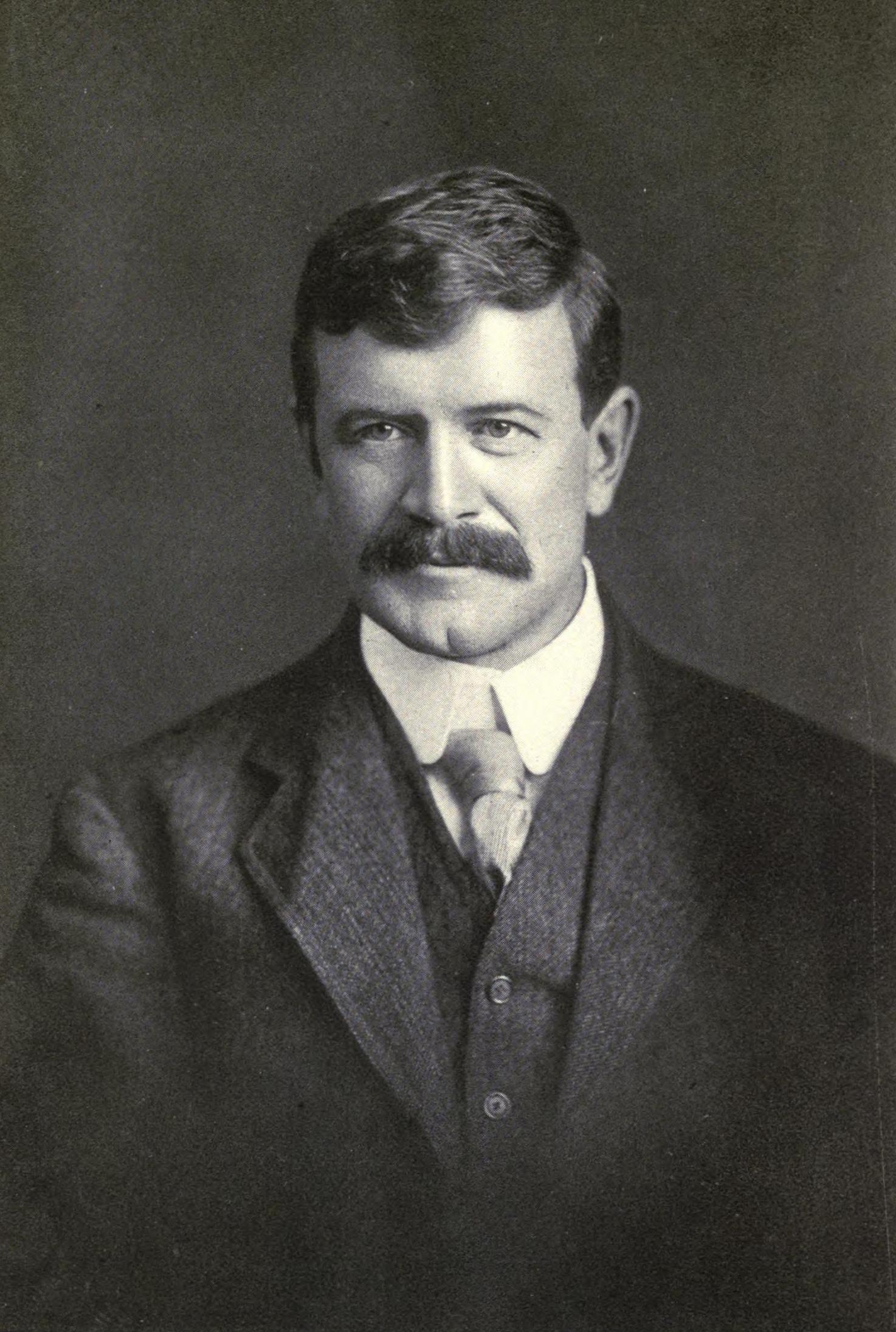


![Night Watches [complete]](/_next/image?url=https%3A%2F%2Fd3b2n8gj62qnwr.cloudfront.net%2FCOVERS%2Fgutenberg_covers75k%2Febook-12161.png&w=3840&q=75)