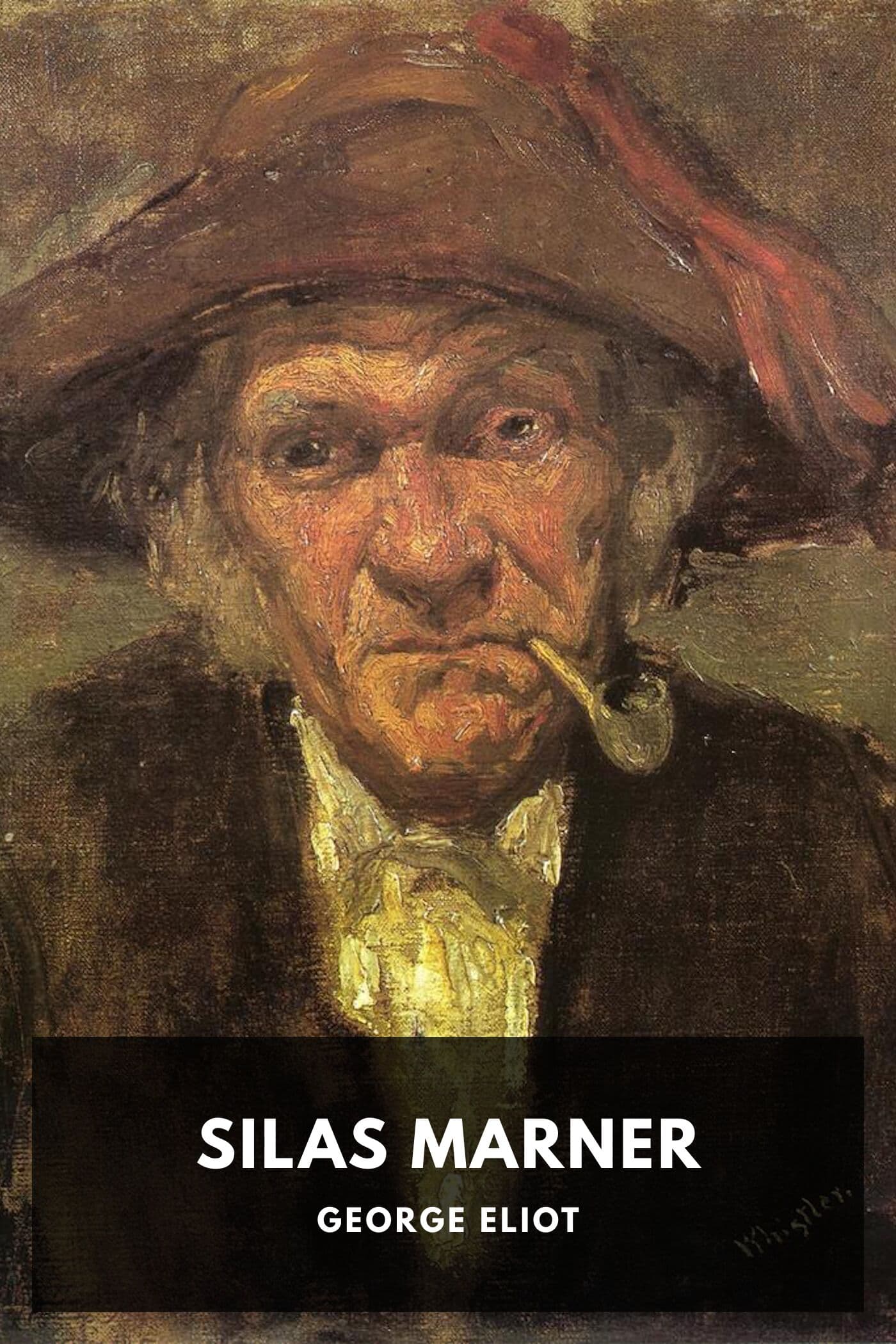
Silas Marner

In a remote village, a man who trusted wrongly sits alone, counting his gold. This is the story of Silas Marner, a weaver wrongfully accused of theft, cast out from his community, and left to rebuild his life in bitter solitude. For fifteen years he toils in his cottage, accumulating wealth he never spends, until a golden-haired child wanders in from the snow and changes everything. George Eliot's beloved novel is both an intimate portrait of one man's salvation through love and a rich examination of rural English life at the dawn of the industrial age. Through Silas's journey from isolation to belonging, Eliot explores what makes a community, what it means to be faithful, and how the deepest wounds can be healed not by doctrine but by human connection. The novel endures because it speaks to anyone who has felt alone, who has been wrongly judged, who knows that healing comes through relationships rather than rigid belief. Eliot writes with psychological depth and quiet compassion, making this tale of a weaver and his adopted daughter feel both specific to its time and universal in its emotional truth.
Editions


X-Ray
“Hurt, he'll never be hurt--he's made to hurt other people.””
— George Eliot
“In old days there were angels who came and took men by the hand and led them away from the city of destruction. We see no white-winged angels now. But yet men are led away from threatening destruction: a hand is put into theirs, which leads them forth gently towards a calm and bright land, so that they look no more backward; and the hand may be a little child's.””
— George Eliot
“Perfect love has a breath of poetry which can exalt the relations of the least-instructed human beings.””
— George Eliot
“A man falling into dark waters seeks a momentary footing even on sliding stones.””
— George Eliot
“Nothing is so good as it seems beforehand.””
— George Eliot
“A child, more than all other giftsThat earth can offer to declining man,Brings hope with it, and forward-looking thoughts."”
— George Eliot
“...There's nothing kills a man so soon as having nobody to find fault with but himself.””
— George Eliot
“When a man turns a blessing from his door, it falls to them as take it in.””
— George Eliot
“Even people whose lives have been made various by learning sometimes find it hard to keep a fast hold on their habitual views of life, on their faith in the Invisible - nay, on the sense that their past joys and sorrows are a real experience, when they are suddenly transported to a new land, where the beings around them know nothing of their history, and share none of their ideas - where their mother earth shows another lap, and human life has other forms than those on which their souls have been nourished. Minds that have been unhinged from their old faith and love have perhaps sought this Lethean influence of exile in which the past becomes dreamy because its symbols have all vanished, and the present too is dreamy because it is linked with no memories.””
— George Eliot
Link to this book
Add a free, dofollow link to Lex on your blog, forum, syllabus, or reading list.

<a href="https://lex-books.com/book/silas-marner-e7528c85-7bec-40ba-9e6e-aa6afe3eb973"><img src="https://lex-books.com/badges/read-on-lex.svg" alt="Read Silas Marner by George Eliot free on Lex" width="160" height="40"></a>[](https://lex-books.com/book/silas-marner-e7528c85-7bec-40ba-9e6e-aa6afe3eb973)[url=https://lex-books.com/book/silas-marner-e7528c85-7bec-40ba-9e6e-aa6afe3eb973][img]https://lex-books.com/badges/read-on-lex.svg[/img][/url]Read Silas Marner by George Eliot free on Lex: https://lex-books.com/book/silas-marner-e7528c85-7bec-40ba-9e6e-aa6afe3eb973Cite this book
Reading this edition for a paper or guide? Copy a citation.
Eliot, George. Silas Marner. Lex, lex-books.com/book/silas-marner-e7528c85-7bec-40ba-9e6e-aa6afe3eb973.Eliot, G. (n.d.). Silas Marner. Lex. https://lex-books.com/book/silas-marner-e7528c85-7bec-40ba-9e6e-aa6afe3eb973Eliot, George. Silas Marner. Lex. https://lex-books.com/book/silas-marner-e7528c85-7bec-40ba-9e6e-aa6afe3eb973.