Races and Peoples: Lectures on the Science of Ethnography
1890
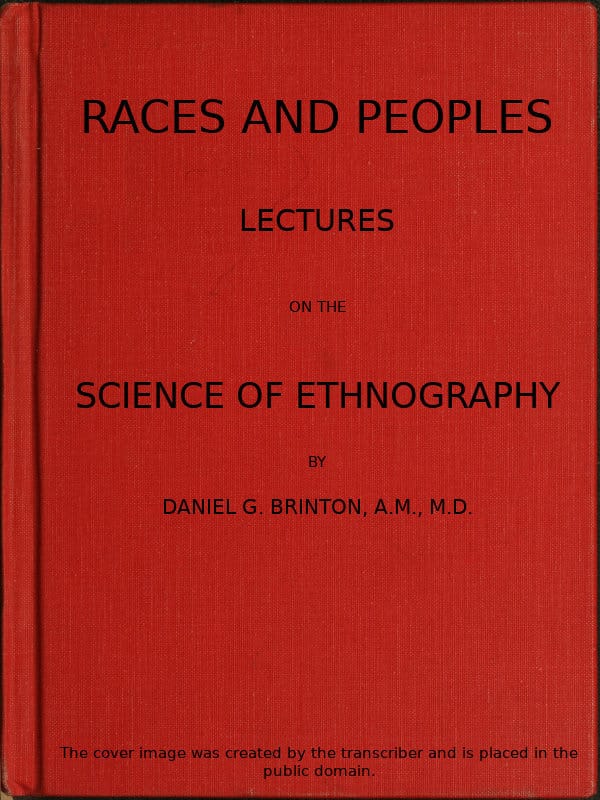
Races and Peoples: Lectures on the Science of Ethnography
1890
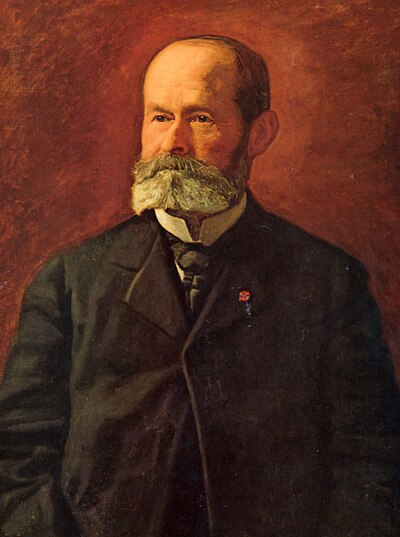
A foundational text of American anthropology from 1890, these lectures by Daniel G. Brinton attempt to systematize the study of human diversity through the emerging discipline of ethnography. Brinton, a leading figure of his era, organizes his inquiry around physical measurements, craniological studies, and cultural observations, seeking to classify humanity into distinct racial categories. The work represents the height of late Victorian racial science, drawing on anatomical research and comparative ethnology to construct a comprehensive taxonomy of human peoples. Brinton's methodology was considered rigorous for its time, employing the scientific language of the period to categorize what he perceived as fundamental biological and psychological differences among human groups. This book serves as a historical snapshot of how educated Americans understood human variation at the close of the 19th century, before the field of anthropology would undergo dramatic transformations in the 20th century. For scholars of medical history, history of science, and the evolution of anthropological thought, these lectures offer essential primary source material for understanding the intellectual foundations from which modern anthropology eventually distanced itself.
Editions
Link to this book
Add a free, dofollow link to Lex on your blog, forum, syllabus, or reading list.

<a href="https://lex-books.com/book/races-and-peoples-lectures-on-the-science-of-ethnography-0834dbae-3423-430c-8872-9c6be9e18faf"><img src="https://lex-books.com/badges/read-on-lex.svg" alt="Read Races and Peoples: Lectures on the Science of Ethnography by Daniel G. Brinton free on Lex" width="160" height="40"></a>[](https://lex-books.com/book/races-and-peoples-lectures-on-the-science-of-ethnography-0834dbae-3423-430c-8872-9c6be9e18faf)[url=https://lex-books.com/book/races-and-peoples-lectures-on-the-science-of-ethnography-0834dbae-3423-430c-8872-9c6be9e18faf][img]https://lex-books.com/badges/read-on-lex.svg[/img][/url]Read Races and Peoples: Lectures on the Science of Ethnography by Daniel G. Brinton free on Lex: https://lex-books.com/book/races-and-peoples-lectures-on-the-science-of-ethnography-0834dbae-3423-430c-8872-9c6be9e18fafCite this book
Reading this edition for a paper or guide? Copy a citation.
Brinton, Daniel G.. Races and Peoples: Lectures on the Science of Ethnography. Lex, lex-books.com/book/races-and-peoples-lectures-on-the-science-of-ethnography-0834dbae-3423-430c-8872-9c6be9e18faf.Brinton, D. G. (1890). Races and Peoples: Lectures on the Science of Ethnography. Lex. https://lex-books.com/book/races-and-peoples-lectures-on-the-science-of-ethnography-0834dbae-3423-430c-8872-9c6be9e18fafBrinton, Daniel G.. Races and Peoples: Lectures on the Science of Ethnography. Lex. https://lex-books.com/book/races-and-peoples-lectures-on-the-science-of-ethnography-0834dbae-3423-430c-8872-9c6be9e18faf.