Römische Geschichte — Buch 8
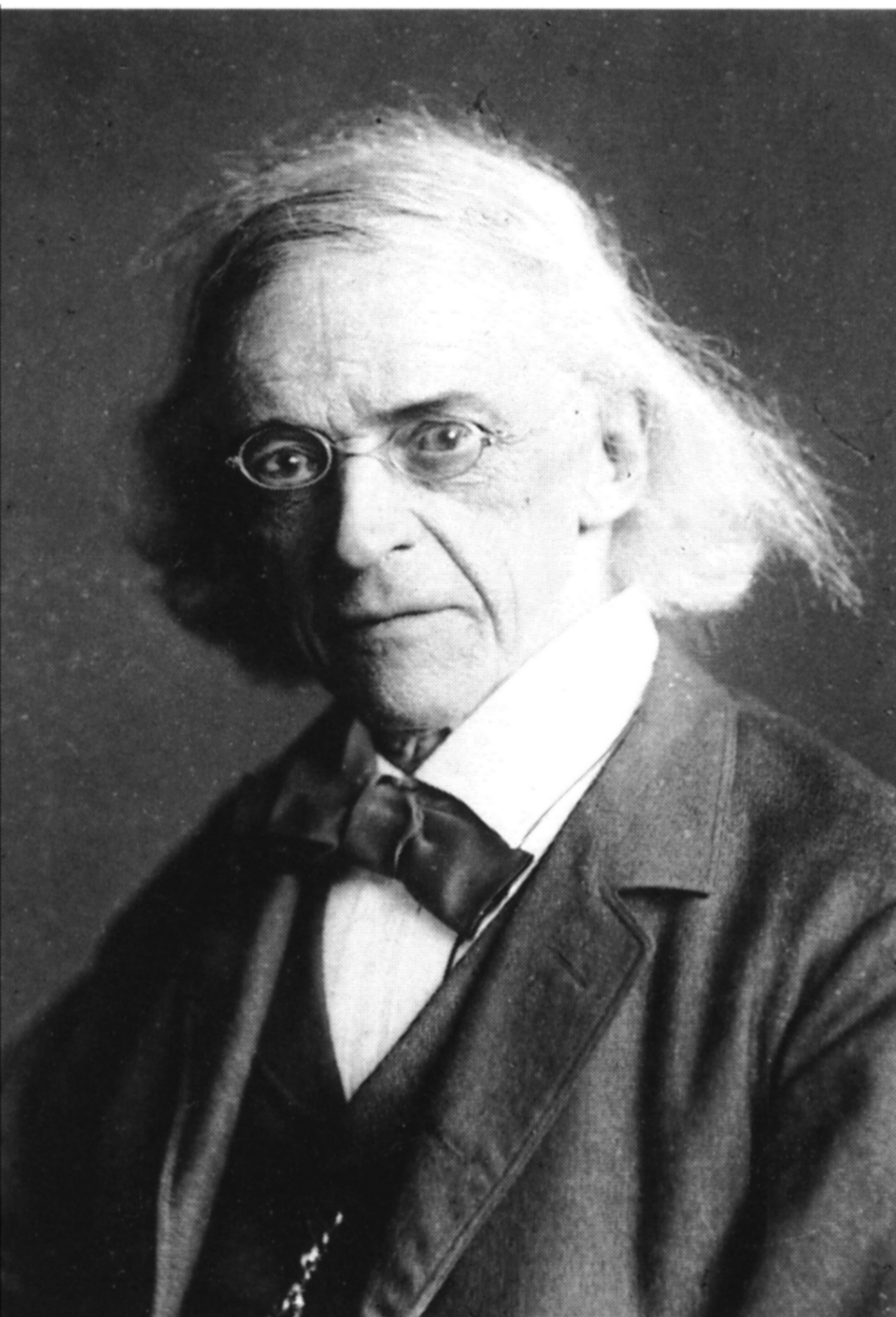
This eighth volume of Mommsen's monumental history tackles the most turbulent centuries of Roman civilization: the long arc from Julius Caesar's grab for power to Diocletian's radical restructuring of the empire. Mommsen, the first historian to win the Nobel Prize in Literature, brings his legendary analytical precision to the provinces and frontiers of an empire stretched to its breaking point. He examines how Rome governed its vast territories, managed relationships with local tribes along the Rhine and Danube, and struggled to maintain coherence as the republican system gave way to autocracy and eventually to the military anarchy of the third century. The work is notable for its honesty about gaps in the historical record, Mommsen acknowledging the fragmentary nature of evidence for certain periods while still extracting maximum meaning from archaeological and textual sources. This is not popular history but rigorous scholarship written with literary ambition, a work that shaped how generations of historians understand Roman provincial administration and the mechanics of imperial decline.
Editions
X-Ray
The author and historian writing this comprehensive account of Roman history. He presents himself as a scholar attempting to fill gaps in historical understanding through careful analysis of sources and monuments.
The first Roman Emperor who established the northern frontiers and reorganized the provinces. His policies shaped the imperial administration for centuries.
Augustus's stepson and successor, a skilled military commander who led campaigns in Pannonia and Germania. Later became emperor and continued Augustus's policies.
Augustus's beloved stepson, a charismatic and capable military commander who led the conquest of Germania. Died young in a riding accident during campaign.
About Römische Geschichte — Buch 8
Chapter Summaries
- Vorrede
- Mommsen explains his decision to continue his Roman History after thirty years, focusing on provincial administration from Caesar to Diocletian. He acknowledges the fragmentary nature of sources but argues this regional approach is necessary for understanding the imperial period.
- Einleitung
- The author discusses the challenges of writing imperial history, noting how the focus shifted from Rome to the provinces. He argues that the real work of the empire was done in provincial towns and cities, not in the capital.
- I
- Chronicles Augustus's campaigns to secure Italy's northern borders, including the conquest of the Alpine tribes, the establishment of the Danube frontier, and the failed attempt to extend Roman rule to the Elbe. Covers the Varus disaster and its consequences.
Key Themes
- Imperial Expansion vs. Strategic Limits
- Mommsen explores how Rome's ambitions to extend its frontiers to the Elbe were ultimately constrained by practical limitations of manpower, resources, and the difficulty of governing distant territories.
- Romanization and Cultural Assimilation
- The work examines how Rome transformed conquered territories through urbanization, legal institutions, and cultural integration, with varying degrees of success across different regions.
- Leadership and Military Competence
- The contrast between capable commanders like Drusus and Tiberius versus incompetent ones like Varus demonstrates how individual leadership could determine the fate of entire campaigns.
Characters
- Theodor Mommsen(protagonist)
- The author and historian writing this comprehensive account of Roman history. He presents himself as a scholar attempting to fill gaps in historical understanding through careful analysis of sources and monuments.
- Augustus (Octavian)(major)
- The first Roman Emperor who established the northern frontiers and reorganized the provinces. His policies shaped the imperial administration for centuries.
- Tiberius(major)
- Augustus's stepson and successor, a skilled military commander who led campaigns in Pannonia and Germania. Later became emperor and continued Augustus's policies.
- Drusus (Nero Claudius Drusus)(major)
- Augustus's beloved stepson, a charismatic and capable military commander who led the conquest of Germania. Died young in a riding accident during campaign.
- Germanicus(major)
- Son of Drusus and nephew of Tiberius, a popular prince who attempted to reconquer Germania after the Varus disaster. His campaigns were ultimately unsuccessful.
- Arminius(antagonist)
- A young Cherusci prince who led the Germanic resistance against Rome. Educated in Roman ways but turned against his former masters to defend Germanic freedom.
Link to this book
Add a free, dofollow link to Lex on your blog, forum, syllabus, or reading list.

<a href="https://lex-books.com/book/r-mische-geschichte-buch-8-3fc840b3-2eb4-4099-b931-d9e80d88b74b"><img src="https://lex-books.com/badges/read-on-lex.svg" alt="Read Römische Geschichte — Buch 8 by Theodor Mommsen free on Lex" width="160" height="40"></a>[](https://lex-books.com/book/r-mische-geschichte-buch-8-3fc840b3-2eb4-4099-b931-d9e80d88b74b)[url=https://lex-books.com/book/r-mische-geschichte-buch-8-3fc840b3-2eb4-4099-b931-d9e80d88b74b][img]https://lex-books.com/badges/read-on-lex.svg[/img][/url]Read Römische Geschichte — Buch 8 by Theodor Mommsen free on Lex: https://lex-books.com/book/r-mische-geschichte-buch-8-3fc840b3-2eb4-4099-b931-d9e80d88b74bCite this book
Reading this edition for a paper or guide? Copy a citation.
Mommsen, Theodor. Römische Geschichte — Buch 8. Lex, lex-books.com/book/r-mische-geschichte-buch-8-3fc840b3-2eb4-4099-b931-d9e80d88b74b.Mommsen, T. (n.d.). Römische Geschichte — Buch 8. Lex. https://lex-books.com/book/r-mische-geschichte-buch-8-3fc840b3-2eb4-4099-b931-d9e80d88b74bMommsen, Theodor. Römische Geschichte — Buch 8. Lex. https://lex-books.com/book/r-mische-geschichte-buch-8-3fc840b3-2eb4-4099-b931-d9e80d88b74b.