Römische Geschichte — Buch 4
2000
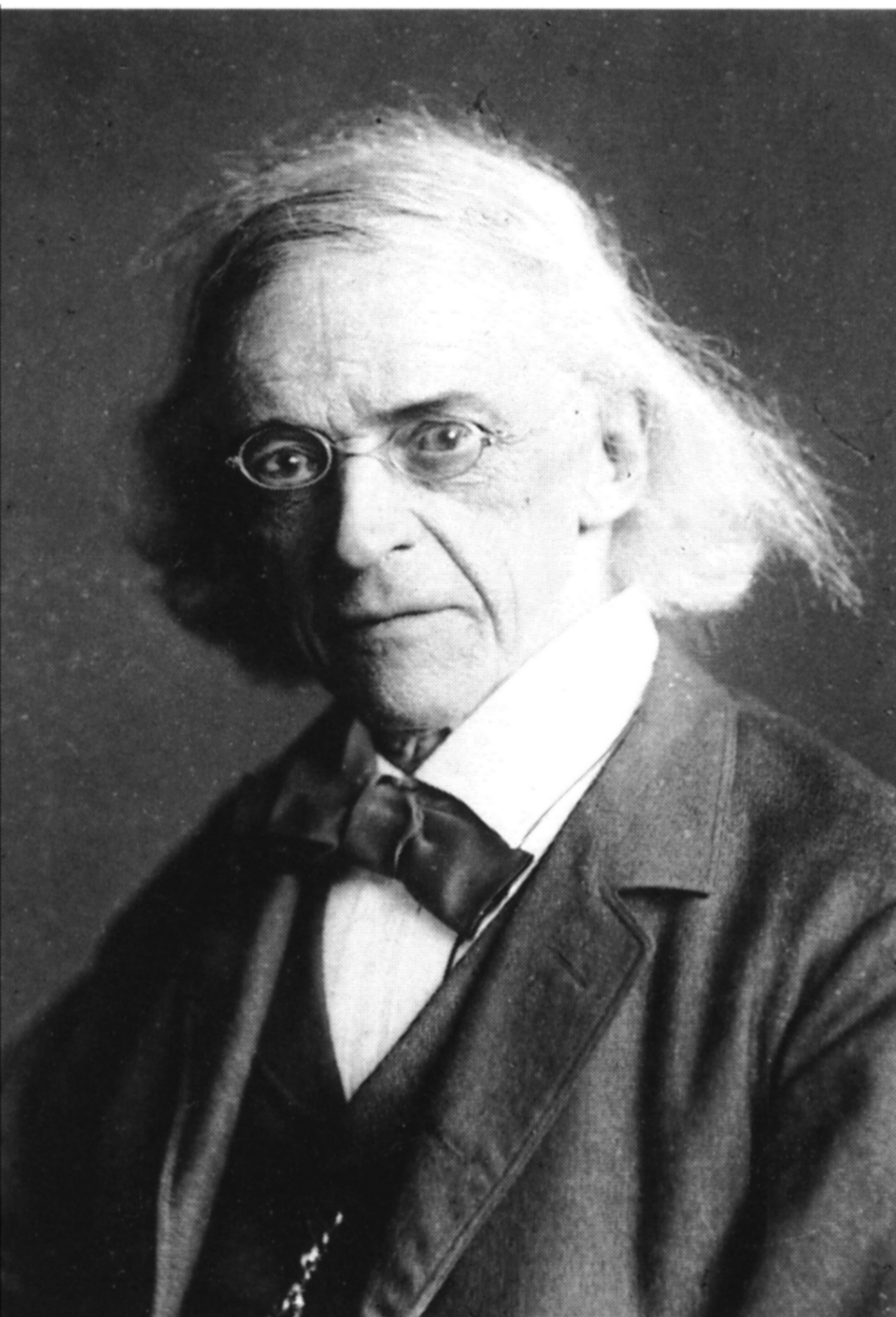
Römische Geschichte — Buch 4, authored by Theodor Mommsen and first published in 2000, provides a detailed historical account of Rome's expansion and dominance, particularly in the Iberian Peninsula. Written in the late 19th century, it explores the complexities of Roman interactions with local cultures during a time of revolts and conquests. The narrative highlights key events, including battles against resistance leaders like Viriathus, illustrating the struggle between Roman imperialism and local autonomy, and setting the stage for understanding the socio-political dynamics of the Roman Empire.
Editions
X-Ray
Young Roman tribune (163-133 BC) who initiated land reforms to help the declining Italian peasantry. Son of a distinguished consul and Cornelia, daughter of Scipio Africanus. A well-educated, idealistic reformer who became the first major figure of the Roman Revolution.
Younger brother of Tiberius, later continued the reform movement with even more radical proposals. Served on the land commission at age 20.
Distinguished Roman general and statesman (184-129 BC), destroyer of Carthage and Numantia. Adoptive grandson of Scipio Africanus, known for his Greek education and moral character. Initially sympathetic to reform but ultimately opposed radical changes.
Daughter of Scipio Africanus and mother of the Gracchi brothers. A highly educated and influential woman who refused marriage to the King of Egypt and devoted herself to raising her children.
About Römische Geschichte — Buch 4
Chapter Summaries
- 1
- Mommsen surveys Roman provincial administration from the destruction of Macedonia to the Gracchan period, detailing the wars in Spain (including Viriathus's resistance), the destruction of Carthage and Corinth, and the general decline of Roman governance in the provinces. The chapter demonstrates how Roman imperialism became increasingly exploitative and poorly managed.
- 2
- The chapter analyzes the internal crisis of the Roman Republic, focusing on the decline of the Italian peasantry due to slave-worked plantations and the concentration of land ownership. It culminates in Tiberius Gracchus's land reform proposals, the constitutional crisis with Marcus Octavius, and Gracchus's violent death, marking the beginning of the Roman Revolution.
Key Themes
- Political Corruption and Decline
- Mommsen depicts the systematic decay of Roman republican institutions, where the aristocracy prioritizes personal gain over public good, leading to ineffective governance and moral bankruptcy.
- Social and Economic Revolution
- The transformation of Roman society from small farmers to large slave-worked estates creates a crisis that threatens the foundation of Roman military and civic life.
- The Conflict Between Reform and Revolution
- Tiberius Gracchus's attempt at constitutional reform becomes revolutionary when blocked by traditional institutions, illustrating how moderate change can escalate into radical upheaval.
Characters
- Tiberius Sempronius Gracchus(protagonist)
- Young Roman tribune (163-133 BC) who initiated land reforms to help the declining Italian peasantry. Son of a distinguished consul and Cornelia, daughter of Scipio Africanus. A well-educated, idealistic reformer who became the first major figure of the Roman Revolution.
- Gaius Gracchus(major)
- Younger brother of Tiberius, later continued the reform movement with even more radical proposals. Served on the land commission at age 20.
- Scipio Aemilianus Africanus(major)
- Distinguished Roman general and statesman (184-129 BC), destroyer of Carthage and Numantia. Adoptive grandson of Scipio Africanus, known for his Greek education and moral character. Initially sympathetic to reform but ultimately opposed radical changes.
- Cornelia(major)
- Daughter of Scipio Africanus and mother of the Gracchi brothers. A highly educated and influential woman who refused marriage to the King of Egypt and devoted herself to raising her children.
- Marcus Octavius(major)
- Tribune colleague of Tiberius Gracchus who used his veto power to block the land reform legislation, leading to the constitutional crisis.
- Appius Claudius(major)
- Former consul and censor, father-in-law of Tiberius Gracchus and strong supporter of land reform. Member of the land commission.
Link to this book
Add a free, dofollow link to Lex on your blog, forum, syllabus, or reading list.

<a href="https://lex-books.com/book/r-mische-geschichte-buch-4-c046b313-b25b-41d4-8f15-e93afb9bf153"><img src="https://lex-books.com/badges/read-on-lex.svg" alt="Read Römische Geschichte — Buch 4 by Theodor Mommsen free on Lex" width="160" height="40"></a>[](https://lex-books.com/book/r-mische-geschichte-buch-4-c046b313-b25b-41d4-8f15-e93afb9bf153)[url=https://lex-books.com/book/r-mische-geschichte-buch-4-c046b313-b25b-41d4-8f15-e93afb9bf153][img]https://lex-books.com/badges/read-on-lex.svg[/img][/url]Read Römische Geschichte — Buch 4 by Theodor Mommsen free on Lex: https://lex-books.com/book/r-mische-geschichte-buch-4-c046b313-b25b-41d4-8f15-e93afb9bf153Cite this book
Reading this edition for a paper or guide? Copy a citation.
Mommsen, Theodor. Römische Geschichte — Buch 4. Lex, lex-books.com/book/r-mische-geschichte-buch-4-c046b313-b25b-41d4-8f15-e93afb9bf153.Mommsen, T. (2000). Römische Geschichte — Buch 4. Lex. https://lex-books.com/book/r-mische-geschichte-buch-4-c046b313-b25b-41d4-8f15-e93afb9bf153Mommsen, Theodor. Römische Geschichte — Buch 4. Lex. https://lex-books.com/book/r-mische-geschichte-buch-4-c046b313-b25b-41d4-8f15-e93afb9bf153.