Römische Geschichte — Buch 2
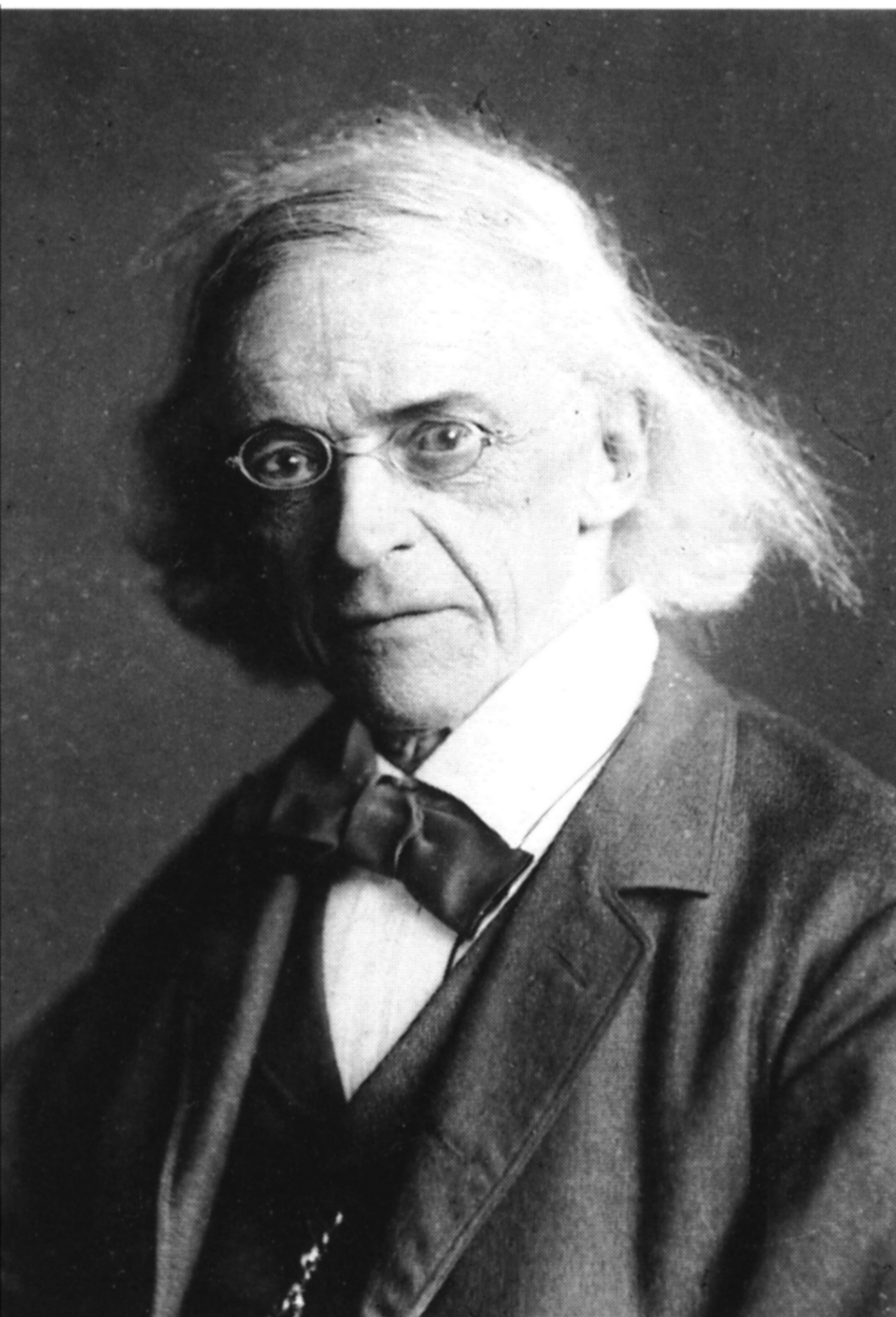
Römische Geschichte — Buch 2, authored by Theodor Mommsen in the latter half of the 19th century, provides a detailed historical account of Rome's transition from monarchy to republic. This volume examines the political and social transformations within ancient Roman society, focusing on the conflicts between patricians and plebeians, and the reforms that emerged to promote political equality. Notable for its analysis of the new political structures, such as the consuls and the tribunate, the book highlights the ongoing social movements and tensions that shaped Rome during its formative years.
Editions
X-Ray
The author of 'Römische Geschichte', providing a detailed historical analysis of the Roman Republic.
The last tyrannical king of Rome, whose expulsion marked the beginning of the Roman Republic.
A figure associated with the expulsion of Tarquinius and the establishment of the Republic, though his historical role is debated.
The Etruscan king of Clusium who besieged Rome after the expulsion of the Tarquins, forcing Rome to capitulate.
About Römische Geschichte — Buch 2
Chapter Summaries
- I
- This chapter details the transition from the Roman monarchy to the Republic, emphasizing the shift from a lifelong king to two annual, collegiate consuls. It highlights the principles of collegiality and annuality as defining features of the new constitution and describes the initial limitations placed on magisterial power, including the right of provocation and the separation of certain functions like quaestorship and priesthood from the consulship. The chapter also introduces the expansion of Roman citizenship to include Plebeians and the rise of the Centuriate Assembly, while noting the Senate's continued authority.
- II
- This chapter focuses on the social and economic tensions following the establishment of the Republic, particularly the plight of the indebted peasantry. It describes the first secession of the Plebs and the creation of the Tribunate of the Plebs, a powerful office designed to protect common citizens with veto power and sacrosanctity. The chapter then details the Decemvirate, a commission tasked with codifying Roman law into the Twelve Tables, which temporarily suspended the Tribunate but ultimately led to its restoration and further plebeian gains, including the Publilian Law and the use of the Tribal Assembly.
- III
- This chapter chronicles the culmination of the Patrician-Plebeian struggle, marked by the Canuleian Law (legalizing intermarriage) and the Licinian-Sextian Laws (mandating one plebeian consul and addressing land/debt issues). Despite Patrician resistance through political maneuvering and religious obstruction, Plebeians gained access to all major magistracies and priesthoods. The chapter concludes by describing the formation of a new, unified aristocracy (Nobilitas) from both Patrician and wealthy Plebeian families, and the consolidation of real governing power within the Senate, which became the central authority.
Key Themes
- Class Struggle and Social Reform
- Mommsen meticulously details the ongoing conflict between the Patricians and Plebeians, driven by issues of political exclusion, debt, and land distribution. The narrative highlights the gradual, often hard-won, legislative changes that led to greater equality, such as the establishment of the Tribunate and the opening of magistracies to Plebeians, ultimately shaping the Roman Republic's social fabric.
- Evolution of Roman Law and Constitution
- The text traces the transformation of Roman governance from monarchy to a complex republican system. It emphasizes the development of key institutions like the consulship, tribunate, decemvirate (resulting in the Twelve Tables), and censorship, illustrating how Roman law and constitutional principles evolved to limit arbitrary power and define citizen rights.
- Military Expansion and Hegemony
- A significant portion of the book is dedicated to Rome's relentless military campaigns against its neighbors—Etruscans, Gauls, Latins, Samnites, and the Greek forces of Pyrrhus. Mommsen attributes Rome's success to its disciplined military organization (the manipular legion), strategic colonization, and pragmatic statecraft, which enabled it to unify Italy under its dominance.
Characters
- Theodor Mommsen(author)
- The author of 'Römische Geschichte', providing a detailed historical analysis of the Roman Republic.
- Tarquinius (the Proud)(antagonist)
- The last tyrannical king of Rome, whose expulsion marked the beginning of the Roman Republic.
- Brutus(supporting)
- A figure associated with the expulsion of Tarquinius and the establishment of the Republic, though his historical role is debated.
- Lars Porsena(antagonist)
- The Etruscan king of Clusium who besieged Rome after the expulsion of the Tarquins, forcing Rome to capitulate.
- Marcus Furius Camillus(protagonist)
- A celebrated Roman general and statesman, hero of Veii and the Gallic sack of Rome, and a key figure in the Patrician resistance.
- Gnaeus Marcius (Coriolanus)(antagonist)
- A proud Patrician exiled from Rome who led a Volscian army against his hometown, later swayed by his mother.
Link to this book
Add a free, dofollow link to Lex on your blog, forum, syllabus, or reading list.

<a href="https://lex-books.com/book/r-mische-geschichte-buch-2-809356cf-6d74-4d1c-8c5c-c59a6e66f599"><img src="https://lex-books.com/badges/read-on-lex.svg" alt="Read Römische Geschichte — Buch 2 by Theodor Mommsen free on Lex" width="160" height="40"></a>[](https://lex-books.com/book/r-mische-geschichte-buch-2-809356cf-6d74-4d1c-8c5c-c59a6e66f599)[url=https://lex-books.com/book/r-mische-geschichte-buch-2-809356cf-6d74-4d1c-8c5c-c59a6e66f599][img]https://lex-books.com/badges/read-on-lex.svg[/img][/url]Read Römische Geschichte — Buch 2 by Theodor Mommsen free on Lex: https://lex-books.com/book/r-mische-geschichte-buch-2-809356cf-6d74-4d1c-8c5c-c59a6e66f599Cite this book
Reading this edition for a paper or guide? Copy a citation.
Mommsen, Theodor. Römische Geschichte — Buch 2. Lex, lex-books.com/book/r-mische-geschichte-buch-2-809356cf-6d74-4d1c-8c5c-c59a6e66f599.Mommsen, T. (n.d.). Römische Geschichte — Buch 2. Lex. https://lex-books.com/book/r-mische-geschichte-buch-2-809356cf-6d74-4d1c-8c5c-c59a6e66f599Mommsen, Theodor. Römische Geschichte — Buch 2. Lex. https://lex-books.com/book/r-mische-geschichte-buch-2-809356cf-6d74-4d1c-8c5c-c59a6e66f599.