Purgatory of St. Patrick
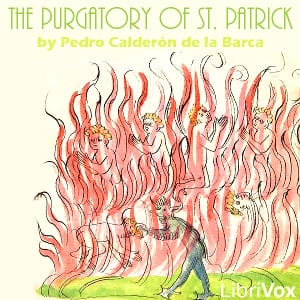
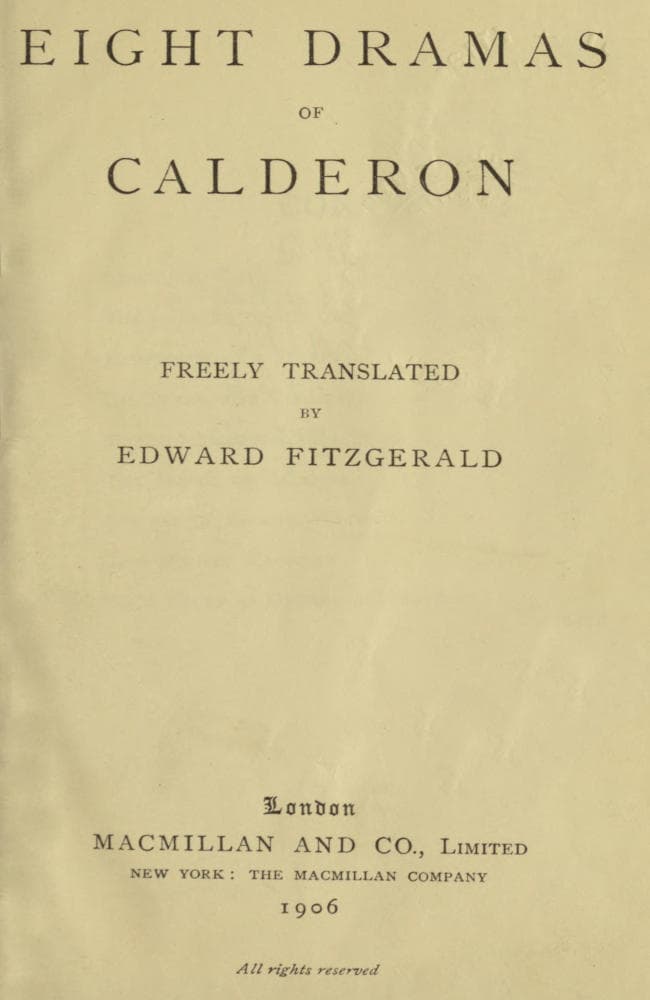
Purgatory of St. Patrick is a 17th-century Spanish mystical drama that weaves together two legendary narratives: Saint Patrick's establishment of the famous Purgatory cave in Ireland, and the story of Luis Enius, a knight whose soul becomes the prize in a cosmic struggle between heavenly and demonic forces. Calderón transforms the medieval legend of Lough Derg into a profound meditation on human salvation, where mortal souls face spiritual choices that determine their eternal fate. The play presents the drama of King Egerius and his court alongside the allegorical warfare of Good Angel and Bad Angel, creating a theatrical universe where every action carries metaphysical weight. The work exemplifies the Spanish Golden Age's fusion of spectacle and theological depth. Calderón explores how divine grace interacts with human free will, presenting the soul's journey through temptation, suffering, and ultimate judgment. The Purgatory itself becomes both literal location and spiritual metaphor, a threshold between worlds where the living glimpse what awaits beyond death. This is theater as theological argument, where the question of salvation is played out in language of striking beauty and philosophical rigor. The play endures for readers drawn to religious allegory, medieval legend transformed by Baroque artistry, and the great Spanish dramatists at their most ambitious. It offers not simple piety but genuine moral complexity, a vision of spiritual warfare that acknowledges the genuine difficulty of choosing virtue.
Editions

Read by
Group Narration
2 readers
Algy Pug, ToddHW, Rapunzelina, Alan Mapstone +13 more
Link to this book
Add a free, dofollow link to Lex on your blog, forum, syllabus, or reading list.

<a href="https://lex-books.com/book/purgatory-of-st-patrick-67d4401c-2715-4175-8361-bf0ecf0e4e00"><img src="https://lex-books.com/badges/read-on-lex.svg" alt="Read Purgatory of St. Patrick by Pedro Calderón de la Barca free on Lex" width="160" height="40"></a>[](https://lex-books.com/book/purgatory-of-st-patrick-67d4401c-2715-4175-8361-bf0ecf0e4e00)[url=https://lex-books.com/book/purgatory-of-st-patrick-67d4401c-2715-4175-8361-bf0ecf0e4e00][img]https://lex-books.com/badges/read-on-lex.svg[/img][/url]Read Purgatory of St. Patrick by Pedro Calderón de la Barca free on Lex: https://lex-books.com/book/purgatory-of-st-patrick-67d4401c-2715-4175-8361-bf0ecf0e4e00Cite this book
Reading this edition for a paper or guide? Copy a citation.
Barca, Pedro Calderón de la. Purgatory of St. Patrick. Lex, lex-books.com/book/purgatory-of-st-patrick-67d4401c-2715-4175-8361-bf0ecf0e4e00.Barca, P. C. D. L. (n.d.). Purgatory of St. Patrick. Lex. https://lex-books.com/book/purgatory-of-st-patrick-67d4401c-2715-4175-8361-bf0ecf0e4e00Barca, Pedro Calderón de la. Purgatory of St. Patrick. Lex. https://lex-books.com/book/purgatory-of-st-patrick-67d4401c-2715-4175-8361-bf0ecf0e4e00.