Prophecy of Dante
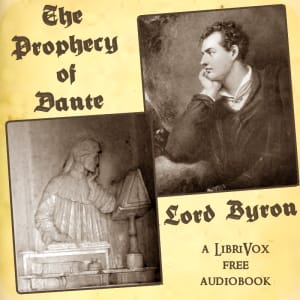
In 1819, Lord Byron visited Dante's tomb in Ravenna and emerged with this audacious tribute: a poem written entirely in Terza Rima, the interlocking three-line rhyme scheme Dante invented for the Divine Comedy. But Byron's innovation cuts deeper than form. He imagines the medieval poet on his deathbed, gazing forward through centuries of Italian history - the corruption of church and state, the weight of foreign occupation, the long struggle toward unity and light. Dante becomes a prophet, and Byron becomes his vessel. The effect is transhistorical: two poet-prophets speaking across six hundred years, both grappling with exile, political tyranny, and the question of what poetry owes to truth. It's not merely an homage; it's a summoning. Byron doesn't just admire Dante - he channels him, using the master's own formal architecture to speak truths about power, faith, and the poet's sacred obligation to witness.
Editions

Read by
Group Narration
4 readers
Alan Mapstone, czandra, Arden, April6090
Link to this book
Add a free, dofollow link to Lex on your blog, forum, syllabus, or reading list.

<a href="https://lex-books.com/book/prophecy-of-dante-22fc2725-64a5-4692-b158-cde5bb8e5788"><img src="https://lex-books.com/badges/read-on-lex.svg" alt="Read Prophecy of Dante by George Gordon Byron, Baron Byron free on Lex" width="160" height="40"></a>[](https://lex-books.com/book/prophecy-of-dante-22fc2725-64a5-4692-b158-cde5bb8e5788)[url=https://lex-books.com/book/prophecy-of-dante-22fc2725-64a5-4692-b158-cde5bb8e5788][img]https://lex-books.com/badges/read-on-lex.svg[/img][/url]Read Prophecy of Dante by George Gordon Byron, Baron Byron free on Lex: https://lex-books.com/book/prophecy-of-dante-22fc2725-64a5-4692-b158-cde5bb8e5788Cite this book
Reading this edition for a paper or guide? Copy a citation.
George Gordon Byron, Baron Byron. Prophecy of Dante. Lex, lex-books.com/book/prophecy-of-dante-22fc2725-64a5-4692-b158-cde5bb8e5788.George Gordon Byron, B. B. (n.d.). Prophecy of Dante. Lex. https://lex-books.com/book/prophecy-of-dante-22fc2725-64a5-4692-b158-cde5bb8e5788George Gordon Byron, Baron Byron. Prophecy of Dante. Lex. https://lex-books.com/book/prophecy-of-dante-22fc2725-64a5-4692-b158-cde5bb8e5788.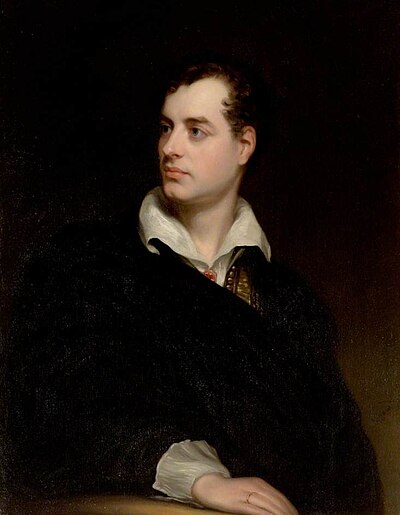

![Birds and Nature, Vol. 12 No. 1 [June 1902]illustrated by Color Photography](/_next/image?url=https%3A%2F%2Fd3b2n8gj62qnwr.cloudfront.net%2FCOVERS%2Fgutenberg_covers75k%2Febook-47881.png&w=3840&q=75)