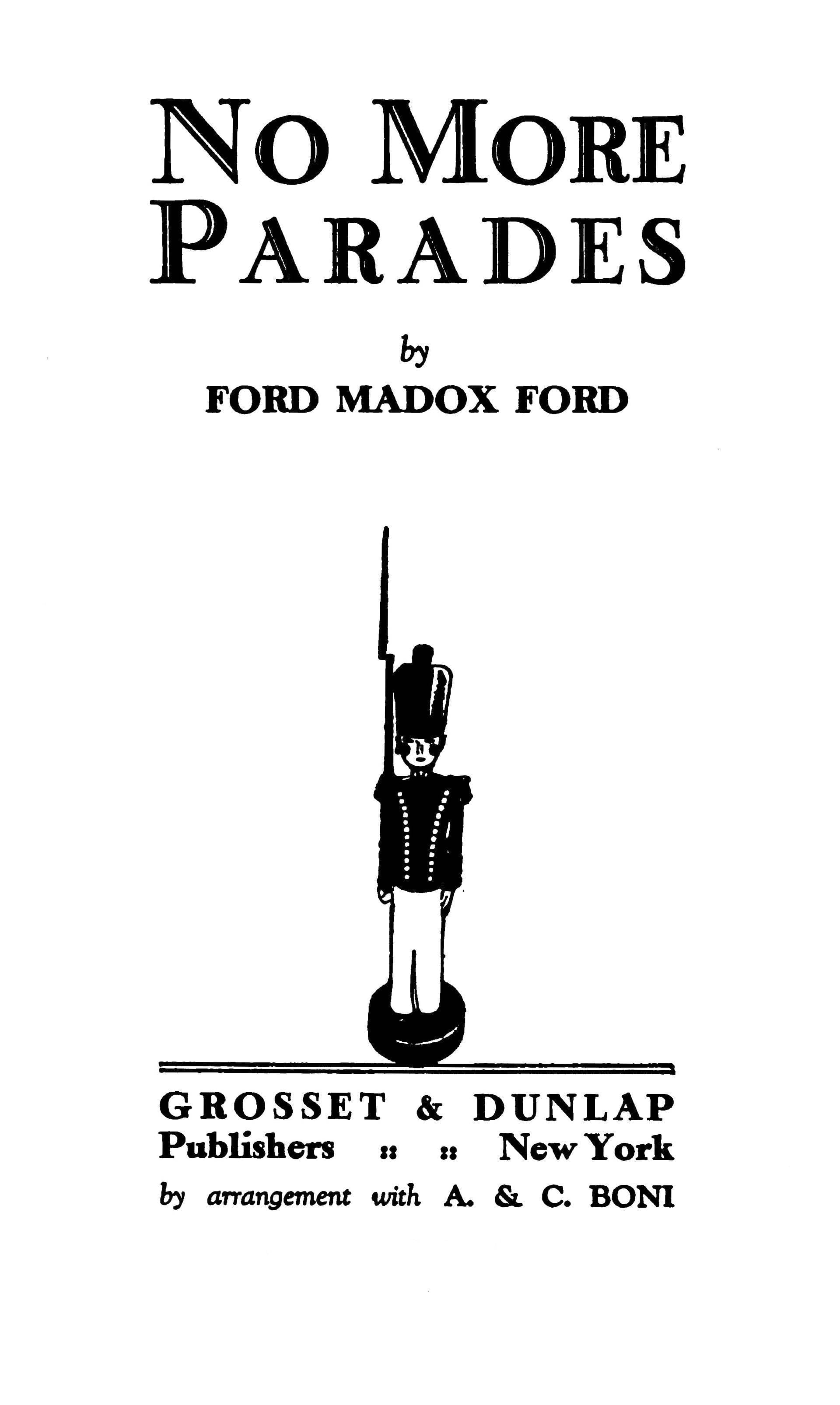
No More Parades
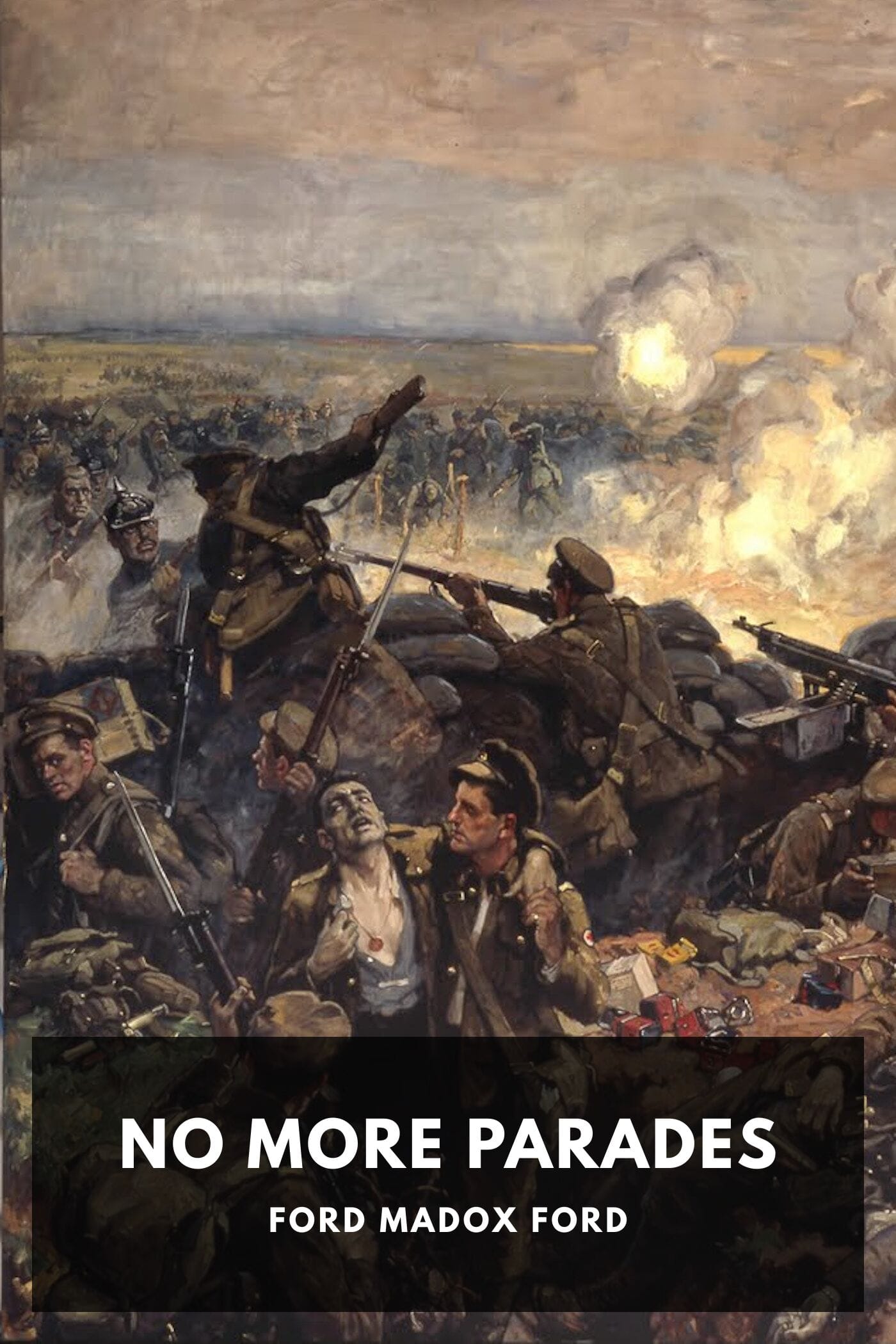
Christopher Tietjens, the quintessential "last true Tory" and a man burdened by an antiquated code of honor, finds himself back on the fringes of the Great War. Having survived the initial trauma, he's now a commanding officer preparing conscripts for the relentless maw of the front lines, battling not just the enemy but the pervasive incompetence and moral decay within the British Army itself. His already crumbling world is further destabilized by the unexpected arrival of his estranged, scandal-prone wife, Sylvia, whose self-serving machinations continue to haunt him even amidst the chaos of war. Ford masterfully portrays Tietjens's stoic, almost Christ-like endurance against a backdrop of societal collapse and personal betrayal, all while grappling with the absurdities and horrors of the conflict. This second installment of the 'Parade's End' tetralogy, though more linear than its predecessor, deepens the psychological complexity of its characters with astonishing nuance. Ford, drawing on his own combat experience, renders the raw, disorienting reality of WWI with an unflinching gaze, but it's the internal battles that truly resonate. Tietjens, a figure of anachronistic integrity, becomes a poignant symbol of a dying era, while Sylvia, for all her villainy, embodies a frustrated vitality stifled by both war and her husband's rigid idealism. The novel's enduring power lies in its profound exploration of duty, honor, and the devastating cost of maintaining appearances when the world around you is tearing itself apart. It's a searing indictment of a society in extremis, and a testament to the human spirit's capacity for both resilience and self-destruction.
Editions

Link to this book
Add a free, dofollow link to Lex on your blog, forum, syllabus, or reading list.

<a href="https://lex-books.com/book/no-more-parades-48c45126-ff3b-4b7e-ad56-2c5a44a3d45a"><img src="https://lex-books.com/badges/read-on-lex.svg" alt="Read No More Parades by Ford Madox Ford free on Lex" width="160" height="40"></a>[](https://lex-books.com/book/no-more-parades-48c45126-ff3b-4b7e-ad56-2c5a44a3d45a)[url=https://lex-books.com/book/no-more-parades-48c45126-ff3b-4b7e-ad56-2c5a44a3d45a][img]https://lex-books.com/badges/read-on-lex.svg[/img][/url]Read No More Parades by Ford Madox Ford free on Lex: https://lex-books.com/book/no-more-parades-48c45126-ff3b-4b7e-ad56-2c5a44a3d45aCite this book
Reading this edition for a paper or guide? Copy a citation.
Ford, Ford Madox. No More Parades. Lex, lex-books.com/book/no-more-parades-48c45126-ff3b-4b7e-ad56-2c5a44a3d45a.Ford, F. M. (n.d.). No More Parades. Lex. https://lex-books.com/book/no-more-parades-48c45126-ff3b-4b7e-ad56-2c5a44a3d45aFord, Ford Madox. No More Parades. Lex. https://lex-books.com/book/no-more-parades-48c45126-ff3b-4b7e-ad56-2c5a44a3d45a.