Marthe Und Ihre Uhr: Novelle
1847
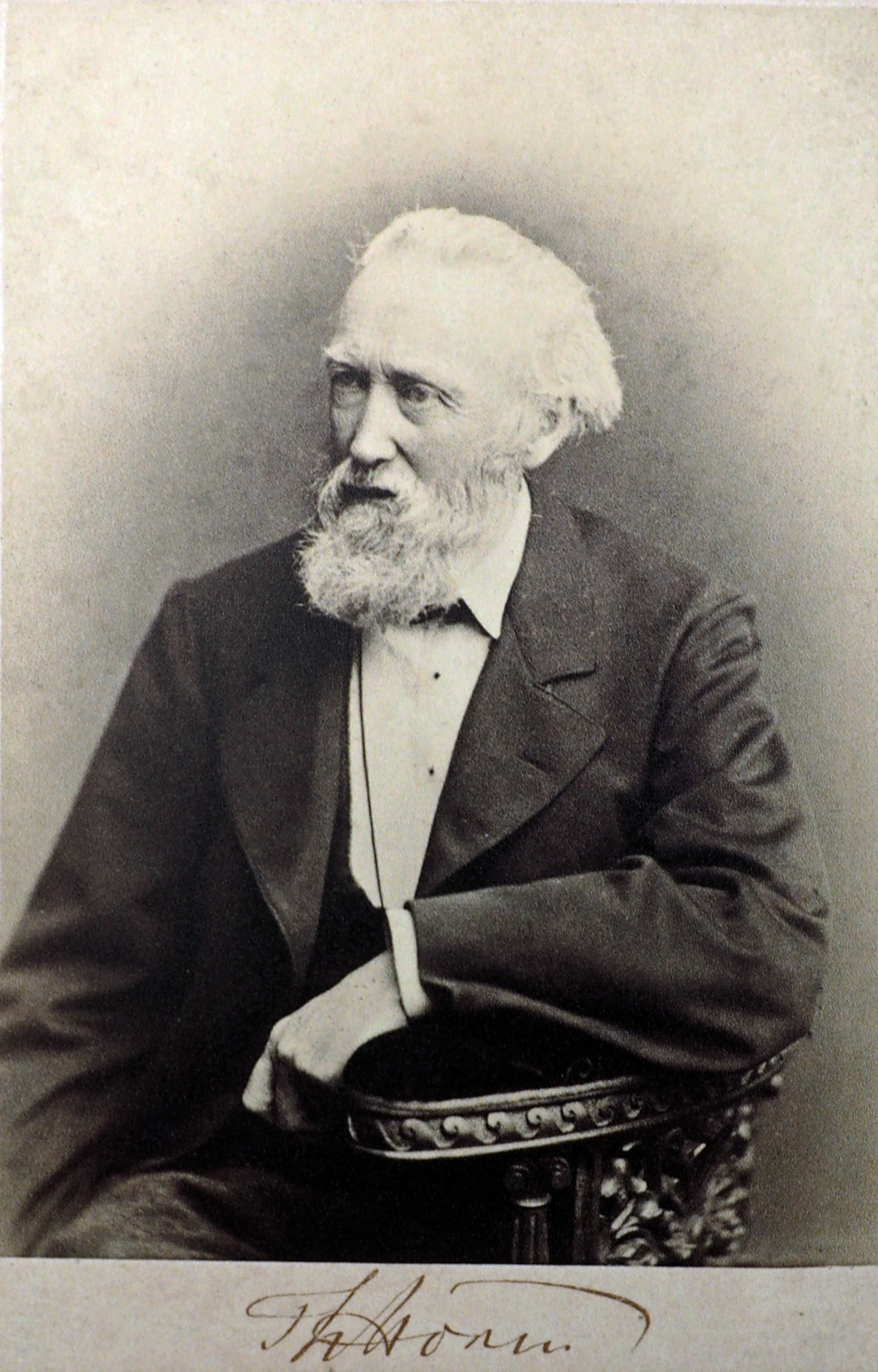
In a house that holds too many absences, Marthe measures her life against the ticking of a clock her father wound. She is sixty-three, unmarried, alone since death took her parents and then her siblings, and yet she has not left. The walls contain everything she has ever been, rendered in silence and the small rituals of flowers, of bread, of listening. Storm writes with devastating precision about what it means to outlive everyone who knew you as a child, to become a stranger in your own rooms. The clock becomes both companion and executioner, its rhythm the only sound that breaks the North German winter stillness. Through Christmas memories flickering across decades, we watch Marthe reconcile her isolation with the fierce, quiet love she still bears her dead. This is not a story of dramatic loss but of what remains after loss becomes ordinary, of how time transforms grief into something like architecture, something like home. Storm, a jurist who wrote poetry in the margins of legal briefs, understood that the saddest people are not those who weep but those who have learned to tend what cannot be revived.
Editions
X-Ray
“Zwei Augen hat man nur und mit hundert soll man sehen””
— Theodor Storm
Link to this book
Add a free, dofollow link to Lex on your blog, forum, syllabus, or reading list.

<a href="https://lex-books.com/book/marthe-und-ihre-uhr-novelle-3aa6016c-c216-473f-8d5d-0191a9b39d37"><img src="https://lex-books.com/badges/read-on-lex.svg" alt="Read Marthe Und Ihre Uhr: Novelle by Theodor Storm free on Lex" width="160" height="40"></a>[](https://lex-books.com/book/marthe-und-ihre-uhr-novelle-3aa6016c-c216-473f-8d5d-0191a9b39d37)[url=https://lex-books.com/book/marthe-und-ihre-uhr-novelle-3aa6016c-c216-473f-8d5d-0191a9b39d37][img]https://lex-books.com/badges/read-on-lex.svg[/img][/url]Read Marthe Und Ihre Uhr: Novelle by Theodor Storm free on Lex: https://lex-books.com/book/marthe-und-ihre-uhr-novelle-3aa6016c-c216-473f-8d5d-0191a9b39d37Cite this book
Reading this edition for a paper or guide? Copy a citation.
Storm, Theodor. Marthe Und Ihre Uhr: Novelle. Lex, lex-books.com/book/marthe-und-ihre-uhr-novelle-3aa6016c-c216-473f-8d5d-0191a9b39d37.Storm, T. (1847). Marthe Und Ihre Uhr: Novelle. Lex. https://lex-books.com/book/marthe-und-ihre-uhr-novelle-3aa6016c-c216-473f-8d5d-0191a9b39d37Storm, Theodor. Marthe Und Ihre Uhr: Novelle. Lex. https://lex-books.com/book/marthe-und-ihre-uhr-novelle-3aa6016c-c216-473f-8d5d-0191a9b39d37.