Mars and Its Canals
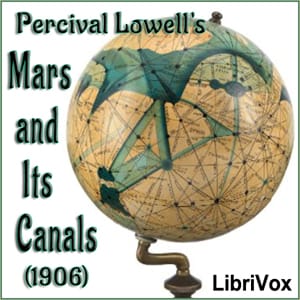
In the 1890s, a wealthy American astronomer turned his telescope toward Mars and became convinced he had found proof of intelligent life. Percival Lowell spent years meticulously documenting what he believed were vast irrigation canals built by an aging Martian civilization struggling to survive on a dying world. He filled notebooks with detailed drawings, mapped canal networks spanning thousands of miles, and argued with scientific fervor that we were not alone in the universe. The canals were never there. Modern astronomy would later confirm that what Lowell saw was a combination of optical illusions, wishful thinking, and the human brain's tendency to impose patterns on chaos. Yet this book remains absorbing not as science but as a window into the human soul: a passionate argument for connection in an apparently empty cosmos, and a cautionary tale about how desire can shape perception. Lowell was wrong, but he was wrong in a way that reveals something profound about why we look up at the stars.
Editions

Read by
Group Narration
18 readers
Larry Wilson, Adrian Stephens, realisticspeakers, MysticV0ice +14 more
Link to this book
Add a free, dofollow link to Lex on your blog, forum, syllabus, or reading list.

<a href="https://lex-books.com/book/mars-and-its-canals-51fd963d-afd7-4d69-a0a3-56ebb66eda28"><img src="https://lex-books.com/badges/read-on-lex.svg" alt="Read Mars and Its Canals by Percival Lowell free on Lex" width="160" height="40"></a>[](https://lex-books.com/book/mars-and-its-canals-51fd963d-afd7-4d69-a0a3-56ebb66eda28)[url=https://lex-books.com/book/mars-and-its-canals-51fd963d-afd7-4d69-a0a3-56ebb66eda28][img]https://lex-books.com/badges/read-on-lex.svg[/img][/url]Read Mars and Its Canals by Percival Lowell free on Lex: https://lex-books.com/book/mars-and-its-canals-51fd963d-afd7-4d69-a0a3-56ebb66eda28Cite this book
Reading this edition for a paper or guide? Copy a citation.
Lowell, Percival. Mars and Its Canals. Lex, lex-books.com/book/mars-and-its-canals-51fd963d-afd7-4d69-a0a3-56ebb66eda28.Lowell, P. (n.d.). Mars and Its Canals. Lex. https://lex-books.com/book/mars-and-its-canals-51fd963d-afd7-4d69-a0a3-56ebb66eda28Lowell, Percival. Mars and Its Canals. Lex. https://lex-books.com/book/mars-and-its-canals-51fd963d-afd7-4d69-a0a3-56ebb66eda28.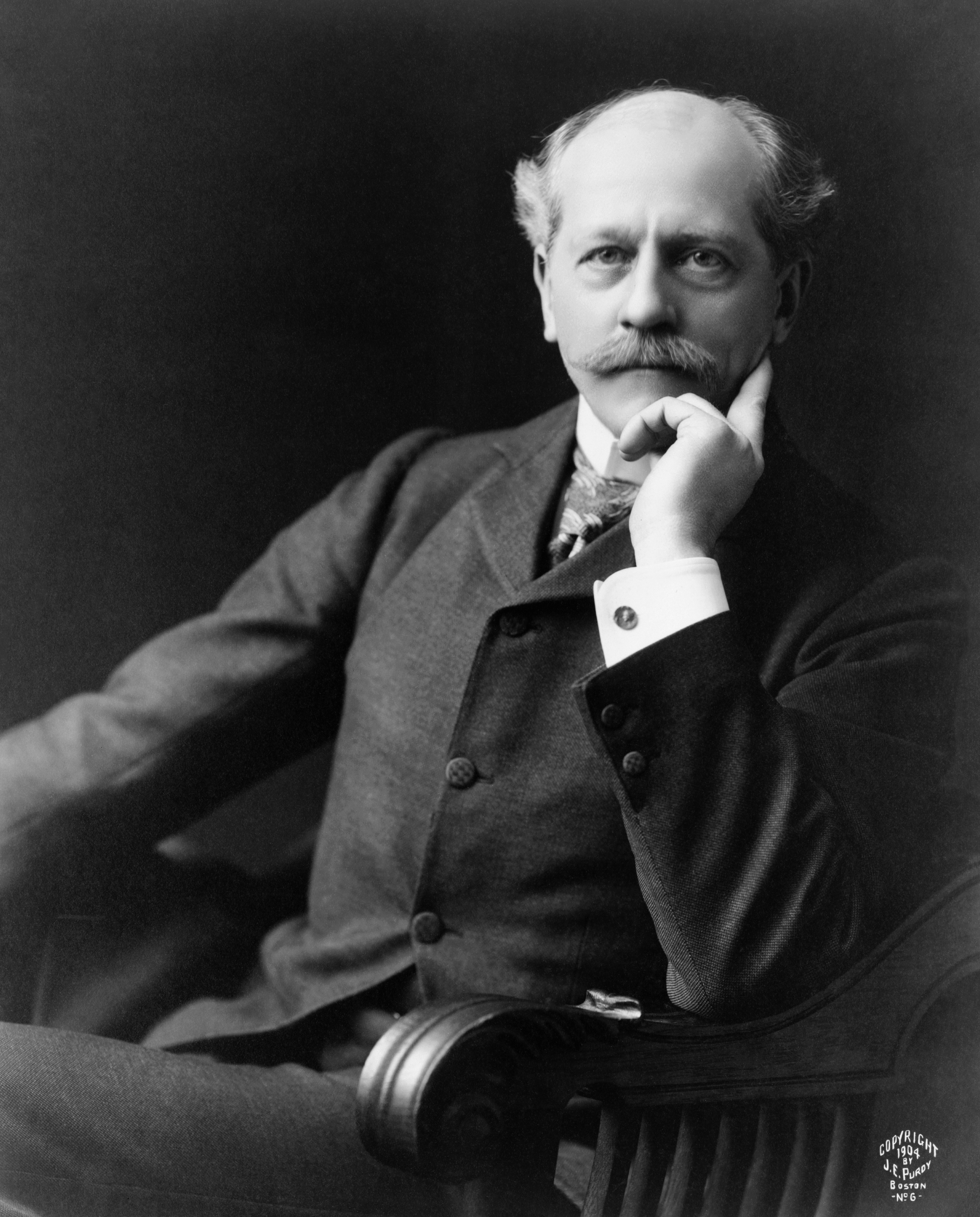


![Fossil Plants, Vol. 1: [A Text-book] for Students of Botany and Geology](/_next/image?url=https%3A%2F%2Fd3b2n8gj62qnwr.cloudfront.net%2FCOVERS%2Fgutenberg_covers75k%2Febook-68043.png&w=3840&q=75)