Marion: The Story of an Artist's Model
1916
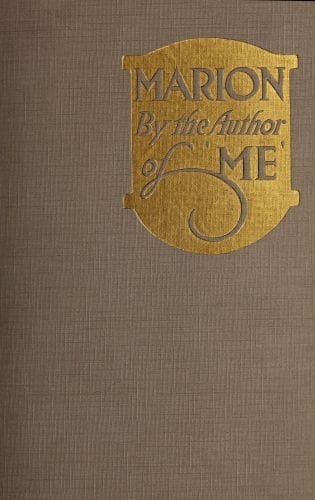
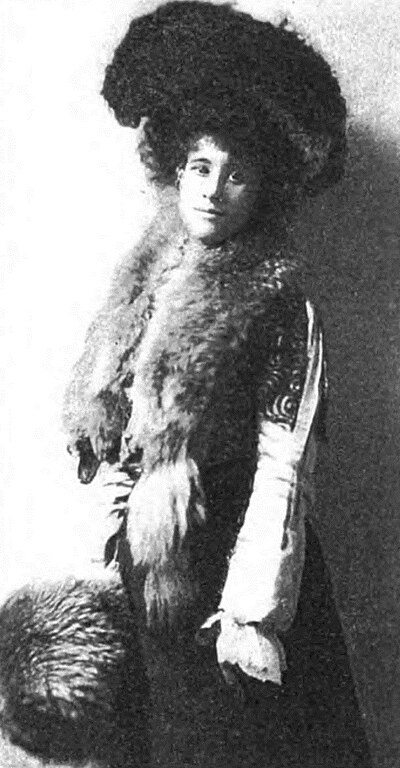
Marion Ascough grows up in the working-class streets of Hochelaga, Montreal, the daughter of an English merchant and a Chinese mother, though the novel never names what she is. A stranger's casual compliment about her pretty face ignites something in her: a desperate need to be seen, to escape the grinding poverty and conspicuousness of her large family. She dreams of acting, of transformation, of becoming someone the world will notice. When she finally leaves for New York, she makes a calculated choice that defines her life: she becomes Canadian, not ethnic. She trades her heritage for accessibility, her specificity for survival. But erasure does not bring peace. Marion fails as an artist and settles for something adjacent to art: she becomes a model, an object to be looked at rather than a creator who looks. The novel follows her through this hollow victory, exploring what it costs a woman of mixed heritage to navigate a world that demands she choose between being seen and being safe. Watanna, writing under the pseudonym she used to fake a Japanese identity throughout her career, crafted here something rawer and more honest: a story about the impossibility of disappearing into whiteness, and the price of trying.
Editions
Link to this book
Add a free, dofollow link to Lex on your blog, forum, syllabus, or reading list.

<a href="https://lex-books.com/book/marion-the-story-of-an-artist-s-model-1fa211a9-27ce-4078-bf33-a258adab29ba"><img src="https://lex-books.com/badges/read-on-lex.svg" alt="Read Marion: The Story of an Artist's Model by Onoto Watanna free on Lex" width="160" height="40"></a>[](https://lex-books.com/book/marion-the-story-of-an-artist-s-model-1fa211a9-27ce-4078-bf33-a258adab29ba)[url=https://lex-books.com/book/marion-the-story-of-an-artist-s-model-1fa211a9-27ce-4078-bf33-a258adab29ba][img]https://lex-books.com/badges/read-on-lex.svg[/img][/url]Read Marion: The Story of an Artist's Model by Onoto Watanna free on Lex: https://lex-books.com/book/marion-the-story-of-an-artist-s-model-1fa211a9-27ce-4078-bf33-a258adab29baCite this book
Reading this edition for a paper or guide? Copy a citation.
Watanna, Onoto. Marion: The Story of an Artist's Model. Lex, lex-books.com/book/marion-the-story-of-an-artist-s-model-1fa211a9-27ce-4078-bf33-a258adab29ba.Watanna, O. (1916). Marion: The Story of an Artist's Model. Lex. https://lex-books.com/book/marion-the-story-of-an-artist-s-model-1fa211a9-27ce-4078-bf33-a258adab29baWatanna, Onoto. Marion: The Story of an Artist's Model. Lex. https://lex-books.com/book/marion-the-story-of-an-artist-s-model-1fa211a9-27ce-4078-bf33-a258adab29ba.