Malombra: Romaani
1881
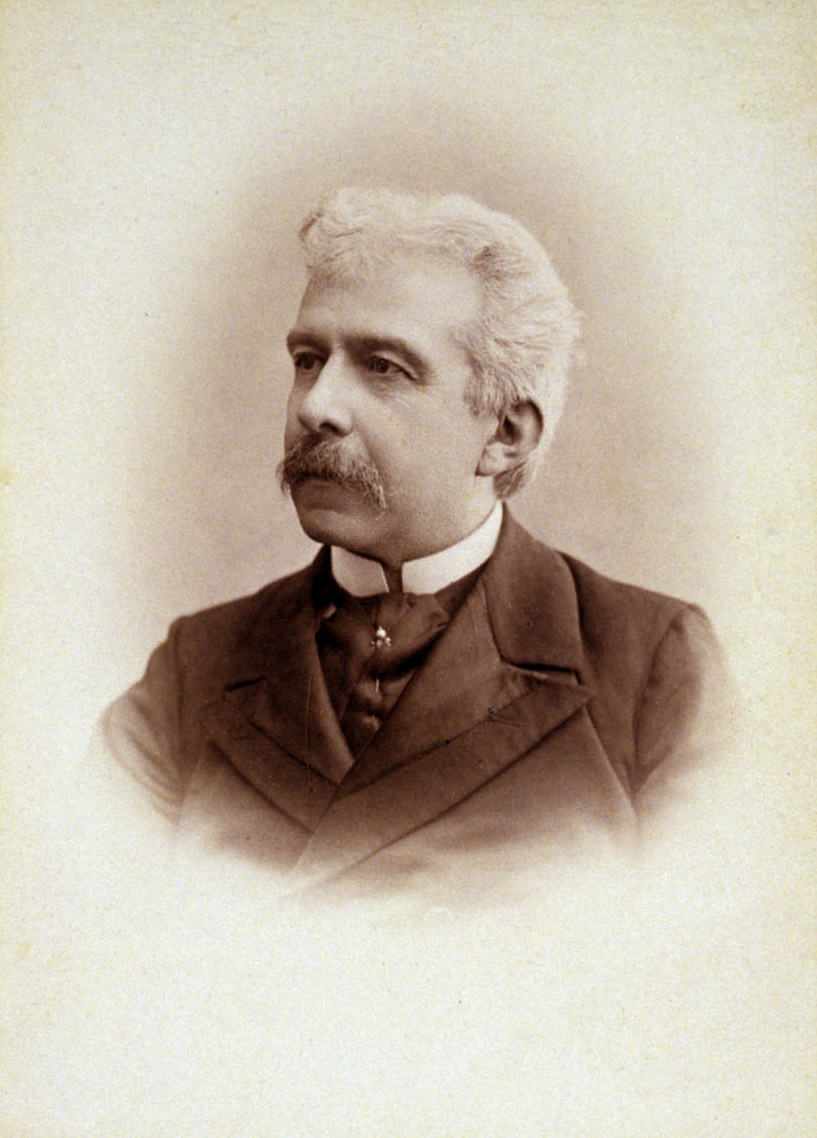
Corrado Silla arrives at a remote Italian castle summoned by a count he's never met, stepping into a world of shifting identities and buried secrets. But Malombra is no mere gothic mystery. Antonio Fogazzaro, writing in 1881, digs into the psychological depths of his protagonist with an intensity that feels startlingly modern, years before Freud would name what novelists had long intuited. The castle itself becomes a mindscape, its fog-shrouded halls and damp corridors mirroring the uncertainties of a young man searching for his place in a world that seems to conspiratorially shape his fate. Malombra, the enigmatic woman at the center of the estate, is neither victim nor villain but something more unsettling: a reflection, a riddle, a test of whether Corrado can see clearly or only what he wishes to see. Fogazzaro explores the terror of self-deception, the weight of inheritance, and the question of whether we ever truly know those closest to us. Rich with the atmospheric beauty of the Italian lakes region, this novel rewards readers who crave psychological complexity over conventional plotting.
Editions
X-Ray
“Era l'ora che turba il cuore; quell'ora in cui, mancando la luce, le cose e le anime si sentono libere, quasi, da una vigilanza fastidiosa; i monti paiono coricarsi a grande agio sul piano, le campagne dilagano sopra i villaggi e casali, le ombre pigliano corpo, i corpi sfumano in ombra, nel cuore umano affondano le impressioni, i pensieri del presente, e vien su un movimento confuso di ricordanze lontane, di fantasmi che inteneriscono e fanno sospirare in silenzio.””
— Antonio Fogazzaro
“Mi affretto di dirti che aspetto la luna.””
— Antonio Fogazzaro
“Neppure un atomo si moveva, nel silenzio grave della notte.””
— Antonio Fogazzaro
Link to this book
Add a free, dofollow link to Lex on your blog, forum, syllabus, or reading list.

<a href="https://lex-books.com/book/malombra-romaani-3560328e-3e35-46c6-9e28-84e3f0d327a9"><img src="https://lex-books.com/badges/read-on-lex.svg" alt="Read Malombra: Romaani by Antonio Fogazzaro free on Lex" width="160" height="40"></a>[](https://lex-books.com/book/malombra-romaani-3560328e-3e35-46c6-9e28-84e3f0d327a9)[url=https://lex-books.com/book/malombra-romaani-3560328e-3e35-46c6-9e28-84e3f0d327a9][img]https://lex-books.com/badges/read-on-lex.svg[/img][/url]Read Malombra: Romaani by Antonio Fogazzaro free on Lex: https://lex-books.com/book/malombra-romaani-3560328e-3e35-46c6-9e28-84e3f0d327a9Cite this book
Reading this edition for a paper or guide? Copy a citation.
Fogazzaro, Antonio. Malombra: Romaani. Lex, lex-books.com/book/malombra-romaani-3560328e-3e35-46c6-9e28-84e3f0d327a9.Fogazzaro, A. (1881). Malombra: Romaani. Lex. https://lex-books.com/book/malombra-romaani-3560328e-3e35-46c6-9e28-84e3f0d327a9Fogazzaro, Antonio. Malombra: Romaani. Lex. https://lex-books.com/book/malombra-romaani-3560328e-3e35-46c6-9e28-84e3f0d327a9.