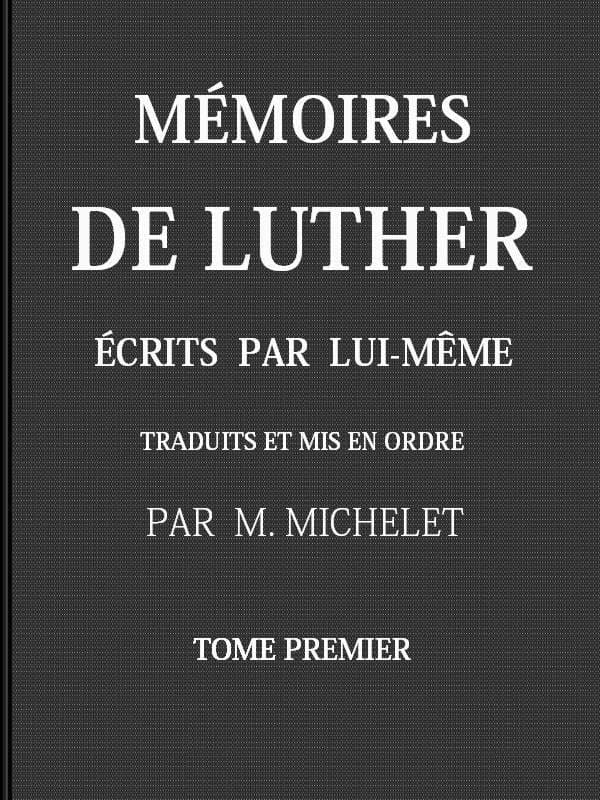
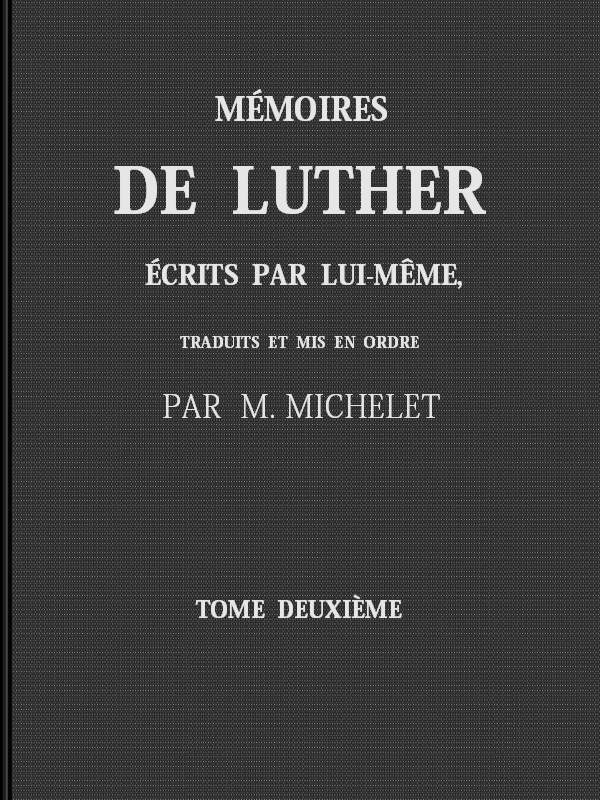
Mémoires De Luther Écrits Par Lui-Même, Tome II
1837
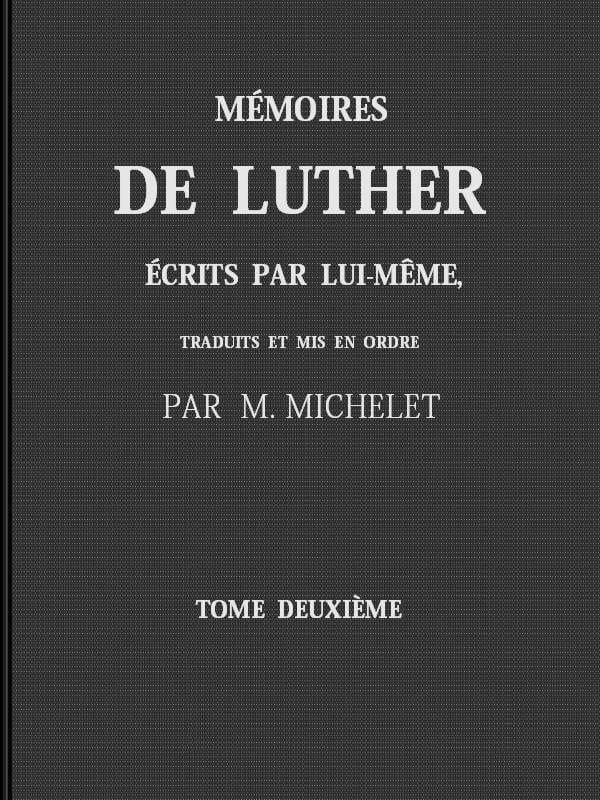
Mémoires De Luther Écrits Par Lui-Même, Tome II
1837
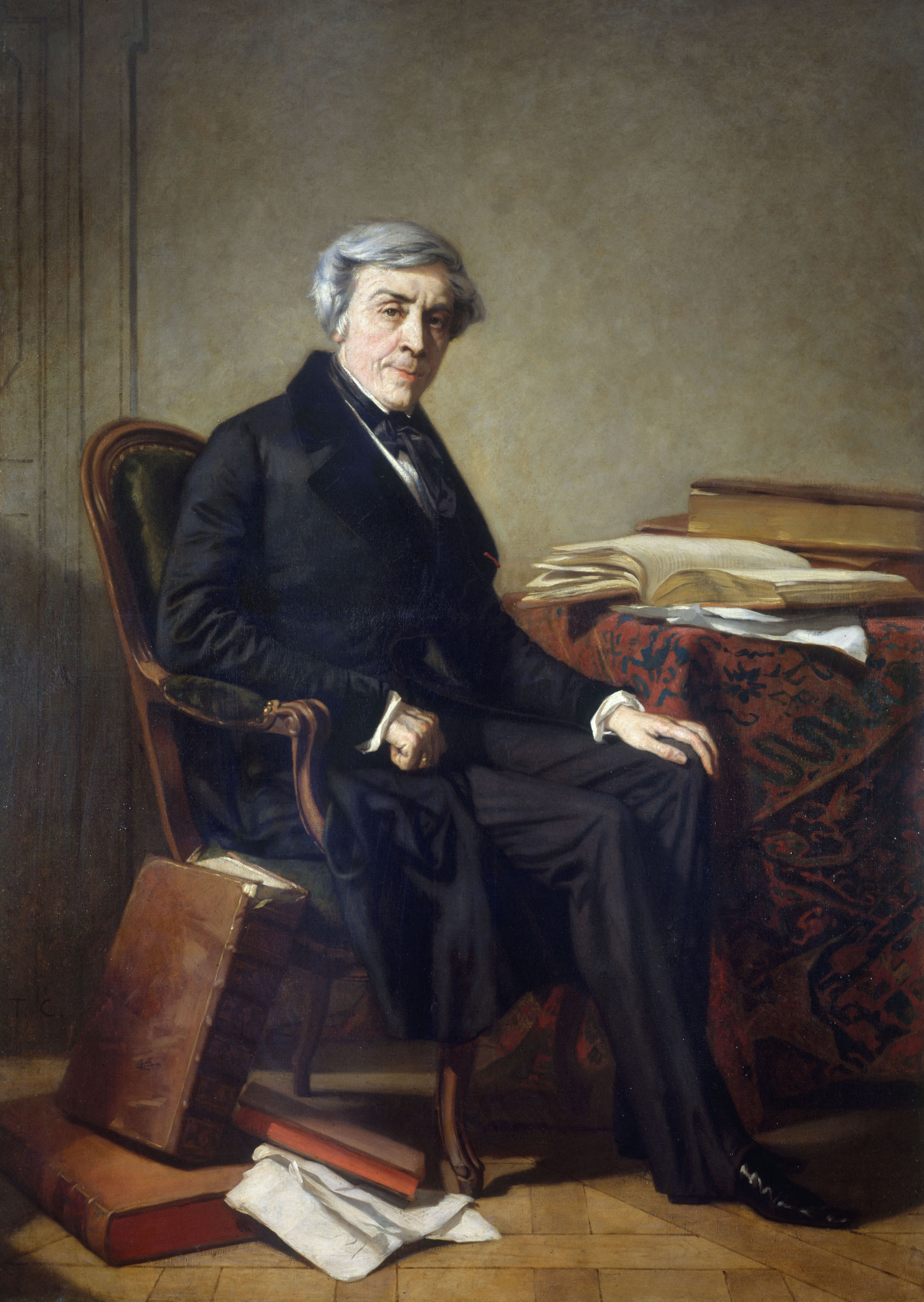
Jules Michelet, the great romantic historian who revolutionized how we understand the past, here turns archaeologist of the Reformation. Rather than writing about Martin Luther, he lets the reformer speak for himself, assembling translations of letters, theological fragments, and personal reflections into a vivid self-portrait. The volume opens in 1529, a year of crisis: the Ottoman armies press toward Vienna, and Protestant Germany stands surrounded by enemies. From despondency, Luther rises to rally his followers, addressing not only the spiritual question of how Christians should understand holy war, but the very survival of the reform movement. We see Luther not as the statuesque figure of later mythology, but as a man of ferocious energy, doubt, and contradiction, correspondences flying between Wittenberg and the courts of Europe. Michelet's genius lies in his restraint: he selects, dates, and orders, then steps back to let history's principals speak. For readers seeking the Reformation in its own raw voice, unmediated by centuries of interpretation, this is indispensable.
Editions
Link to this book
Add a free, dofollow link to Lex on your blog, forum, syllabus, or reading list.

<a href="https://lex-books.com/book/m-moires-de-luther-crits-par-lui-m-me-tome-ii-5510b60a-a47d-475f-9ac3-10d05d558162"><img src="https://lex-books.com/badges/read-on-lex.svg" alt="Read Mémoires De Luther Écrits Par Lui-Même, Tome II by Jules Michelet free on Lex" width="160" height="40"></a>[](https://lex-books.com/book/m-moires-de-luther-crits-par-lui-m-me-tome-ii-5510b60a-a47d-475f-9ac3-10d05d558162)[url=https://lex-books.com/book/m-moires-de-luther-crits-par-lui-m-me-tome-ii-5510b60a-a47d-475f-9ac3-10d05d558162][img]https://lex-books.com/badges/read-on-lex.svg[/img][/url]Read Mémoires De Luther Écrits Par Lui-Même, Tome II by Jules Michelet free on Lex: https://lex-books.com/book/m-moires-de-luther-crits-par-lui-m-me-tome-ii-5510b60a-a47d-475f-9ac3-10d05d558162Cite this book
Reading this edition for a paper or guide? Copy a citation.
Michelet, Jules. Mémoires De Luther Écrits Par Lui-Même, Tome II. Lex, lex-books.com/book/m-moires-de-luther-crits-par-lui-m-me-tome-ii-5510b60a-a47d-475f-9ac3-10d05d558162.Michelet, J. (1837). Mémoires De Luther Écrits Par Lui-Même, Tome II. Lex. https://lex-books.com/book/m-moires-de-luther-crits-par-lui-m-me-tome-ii-5510b60a-a47d-475f-9ac3-10d05d558162Michelet, Jules. Mémoires De Luther Écrits Par Lui-Même, Tome II. Lex. https://lex-books.com/book/m-moires-de-luther-crits-par-lui-m-me-tome-ii-5510b60a-a47d-475f-9ac3-10d05d558162.