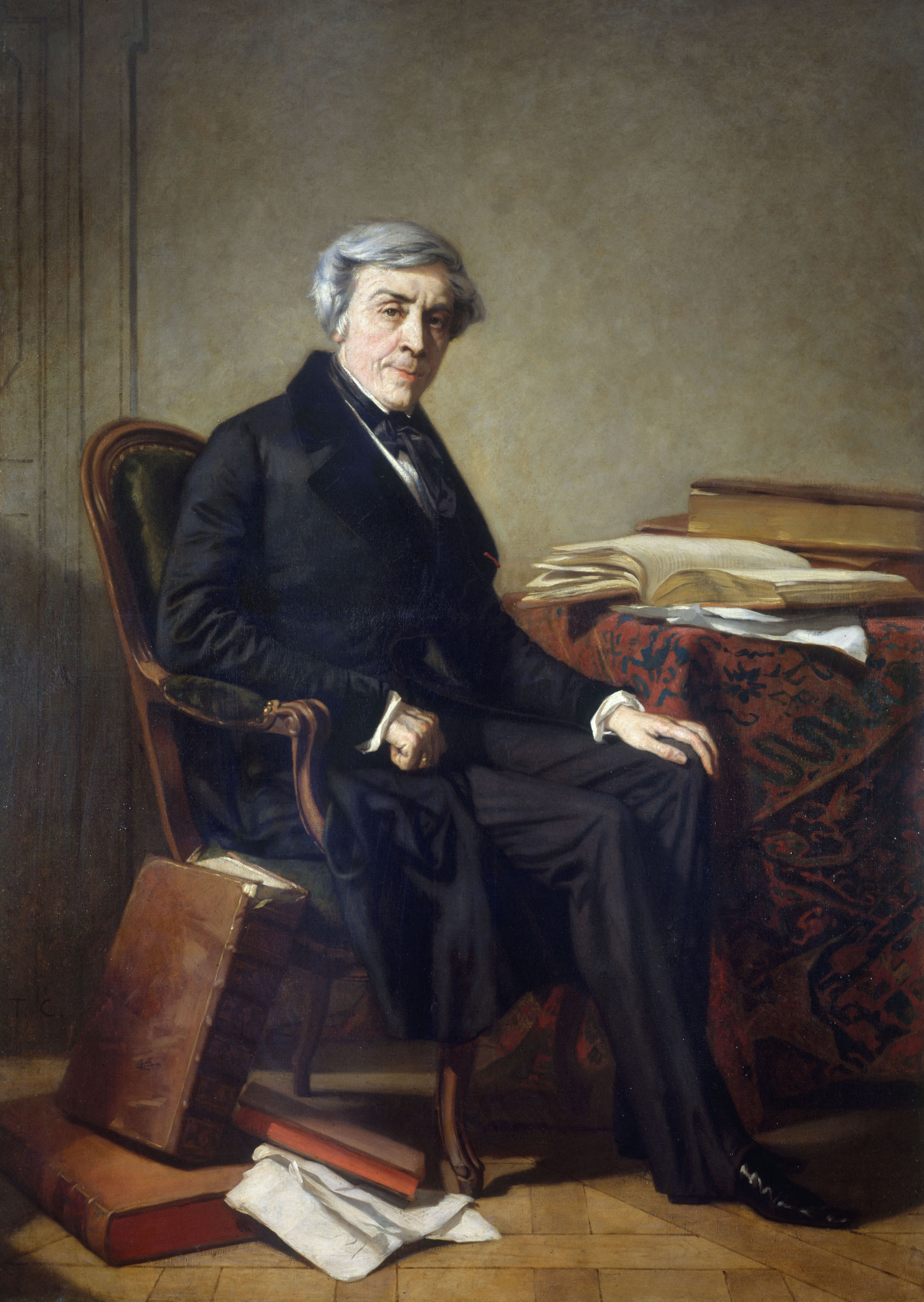
Histoire De France 1305-1364 (volume 4/19)
Histoire De France 1305-1364 (volume 4/19)
Jules Michelet turns his formidable gaze on a France in flames: the early 14th century, when Philip the Fair remade the kingdom through cold calculation and gold. This volume chronicles the destruction of the Knights Templar, those legendary warrior-monks whose vast wealth made them irresistible to a king hungry for treasure and terrified of rivals. Michelet renders the Templars' arrest, torture, and execution not merely as historical events but as a meditation on betrayal, the corruption of power, and the fatal collision between religious idealism and royal ambition. Here too emerges the États Généraux, the first stirrings of representative government, and the Parliament that would shape French governance for centuries. Michelet writes history as drama, each page crackling with the tension between church and crown, between old feudal loyalties and the ruthless new logic of fiscal monarchy. For readers who crave history stripped of antiseptic distance, who want to feel the stakes of the past as if their own nation hung in the balance.
Editions
X-Ray
King of France (1285-1314), known for his conflicts with the Pope and destruction of the Templars. A calculating ruler who centralized royal power and exploited fiscal policies.
Pope who clashed with Philippe le Bel over papal supremacy. Died after being humiliated at Anagni, representing the decline of papal temporal power.
French pope who moved the papacy to Avignon and became subservient to Philippe le Bel. Authorized the destruction of the Templars.
Last Grand Master of the Knights Templar, executed in 1314. A brave but simple knight who defended his order until the end.
About Histoire De France 1305-1364 (volume 4/19)
Chapter Summaries
- III
- Philippe le Bel's reign marks the advent of gold as the dominant force in politics. The king destroys the wealthy Templars through fabricated charges of heresy and corruption, seizing their vast wealth to fund his government.
- IV
- The systematic destruction of the Templars through torture, false confessions, and papal complicity. The order is abolished at the Council of Vienne, and Jacques Molay is executed in 1314.
- V
- The end of Philippe le Bel's reign and the brief reigns of his three sons (Louis X, Philippe V, Charles IV), marked by feudal reaction, administrative reforms, and the persecution of Jews and lepers.
Key Themes
- The Rise of Royal Absolutism
- Philippe le Bel's systematic destruction of rival powers - the Pope, the Templars, and feudal lords - to establish centralized monarchy. This represents the transition from medieval to modern state power.
- The Power of Gold and Finance
- The emergence of money as the dominant force in politics and society. The king's fiscal policies, currency manipulation, and the role of bankers transform medieval relationships based on land and loyalty.
- The Decline of Medieval Institutions
- The collapse of the Crusading ideal, the humiliation of the Papacy, and the defeat of chivalry at Crécy represent the end of the medieval world order and its replacement by more pragmatic, secular forces.
Characters
- Philippe le Bel(major)
- King of France (1285-1314), known for his conflicts with the Pope and destruction of the Templars. A calculating ruler who centralized royal power and exploited fiscal policies.
- Boniface VIII(major)
- Pope who clashed with Philippe le Bel over papal supremacy. Died after being humiliated at Anagni, representing the decline of papal temporal power.
- Clément V (Bertrand de Gott)(major)
- French pope who moved the papacy to Avignon and became subservient to Philippe le Bel. Authorized the destruction of the Templars.
- Jacques Molay(major)
- Last Grand Master of the Knights Templar, executed in 1314. A brave but simple knight who defended his order until the end.
- Nogaret(major)
- Philippe le Bel's ruthless minister who orchestrated the attack on Boniface VIII at Anagni and the persecution of the Templars.
- Enguerrand de Marigny(major)
- Philippe le Bel's chief minister and financial administrator, executed by Louis X as a scapegoat for his father's unpopular policies.
Link to this book
Add a free, dofollow link to Lex on your blog, forum, syllabus, or reading list.

<a href="https://lex-books.com/book/histoire-de-france-1305-1364-volume-4-19-3fe40b8e-d924-4195-88c4-54e879f46b45"><img src="https://lex-books.com/badges/read-on-lex.svg" alt="Read Histoire De France 1305-1364 (volume 4/19) by Jules Michelet free on Lex" width="160" height="40"></a>[](https://lex-books.com/book/histoire-de-france-1305-1364-volume-4-19-3fe40b8e-d924-4195-88c4-54e879f46b45)[url=https://lex-books.com/book/histoire-de-france-1305-1364-volume-4-19-3fe40b8e-d924-4195-88c4-54e879f46b45][img]https://lex-books.com/badges/read-on-lex.svg[/img][/url]Read Histoire De France 1305-1364 (volume 4/19) by Jules Michelet free on Lex: https://lex-books.com/book/histoire-de-france-1305-1364-volume-4-19-3fe40b8e-d924-4195-88c4-54e879f46b45Cite this book
Reading this edition for a paper or guide? Copy a citation.
Michelet, Jules. Histoire De France 1305-1364 (volume 4/19). Lex, lex-books.com/book/histoire-de-france-1305-1364-volume-4-19-3fe40b8e-d924-4195-88c4-54e879f46b45.Michelet, J. (n.d.). Histoire De France 1305-1364 (volume 4/19). Lex. https://lex-books.com/book/histoire-de-france-1305-1364-volume-4-19-3fe40b8e-d924-4195-88c4-54e879f46b45Michelet, Jules. Histoire De France 1305-1364 (volume 4/19). Lex. https://lex-books.com/book/histoire-de-france-1305-1364-volume-4-19-3fe40b8e-d924-4195-88c4-54e879f46b45.