Libro III de la Historia de Heródoto

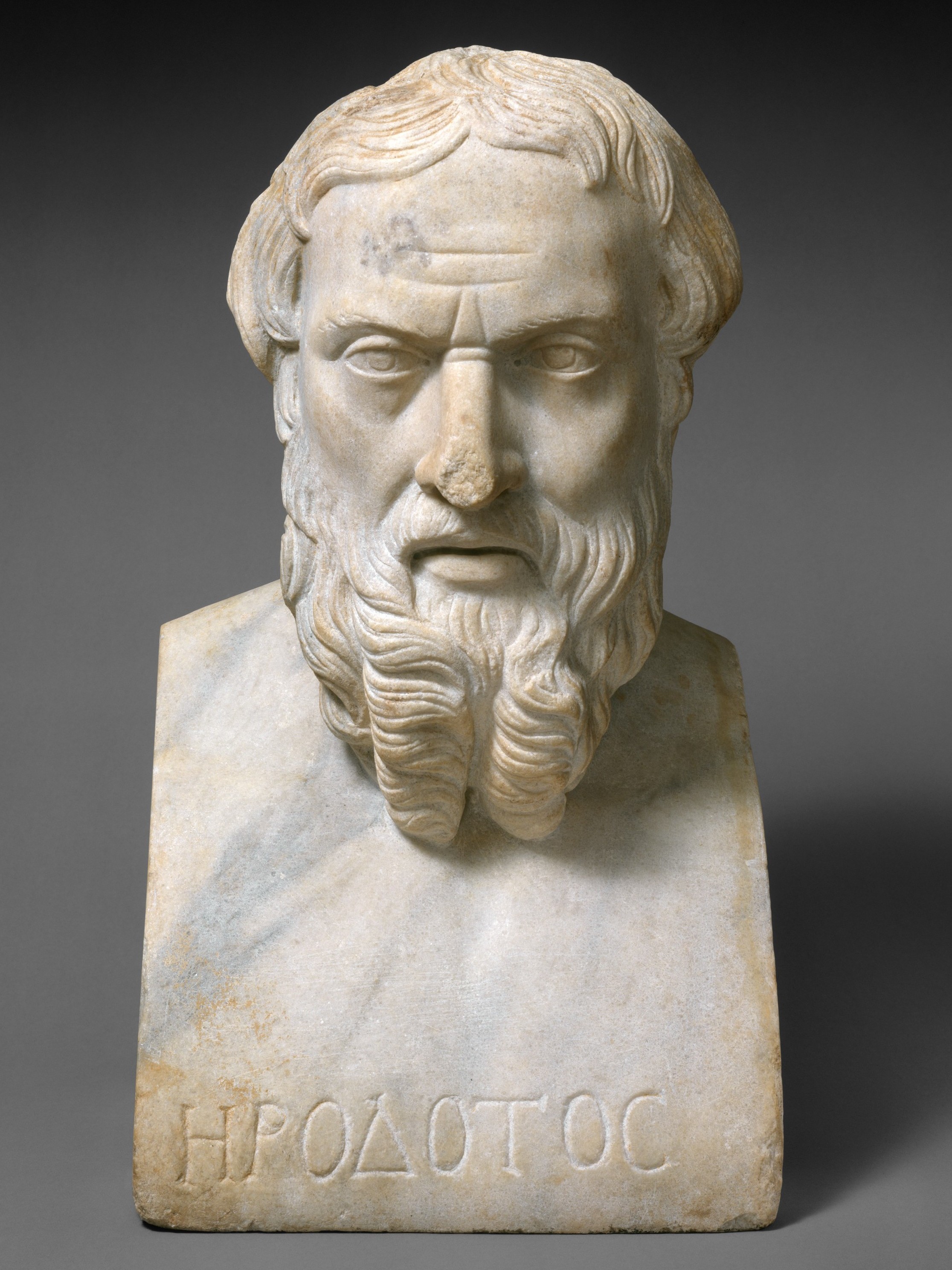
Book III of Herodotus's Histories plunges into the violent birth of the Persian Empire. Cambyses II, the conqueror of Egypt, descends into a madness that Herodotus catalogs with grim fascination: the murder of his own brother, the desecration of sacred tombs, the slaughter of priests, the killing of his sister-wife. These are not mere atrocities but warnings, embedded in narrative by a historian who understands that power unchecked corrupts absolutely. The book traces the chaos following Cambyses's death and the remarkable rise of Darius I, who seizes the throne through cunning and force, reorganizing the empire into twenty satrapies that will define Persian governance for generations. Between these dynastic dramas, Herodotus populates his pages with the strangeness of Egypt: its crocodiles, its funerals, its river that rises and falls against all logic. This is history as inquiry, as moral instruction, as compulsive storytelling. The 'Father of History' invented the genre here, and Book III remains essential reading for anyone who wants to understand how we first learned to ask questions about the past and why those answers still matter.
Editions

Link to this book
Add a free, dofollow link to Lex on your blog, forum, syllabus, or reading list.

<a href="https://lex-books.com/book/libro-iii-de-la-historia-de-her-doto-3d53b171-195f-4820-9423-33b6477509a8"><img src="https://lex-books.com/badges/read-on-lex.svg" alt="Read Libro III de la Historia de Heródoto by Herodotus free on Lex" width="160" height="40"></a>[](https://lex-books.com/book/libro-iii-de-la-historia-de-her-doto-3d53b171-195f-4820-9423-33b6477509a8)[url=https://lex-books.com/book/libro-iii-de-la-historia-de-her-doto-3d53b171-195f-4820-9423-33b6477509a8][img]https://lex-books.com/badges/read-on-lex.svg[/img][/url]Read Libro III de la Historia de Heródoto by Herodotus free on Lex: https://lex-books.com/book/libro-iii-de-la-historia-de-her-doto-3d53b171-195f-4820-9423-33b6477509a8Cite this book
Reading this edition for a paper or guide? Copy a citation.
Herodotus. Libro III de la Historia de Heródoto. Lex, lex-books.com/book/libro-iii-de-la-historia-de-her-doto-3d53b171-195f-4820-9423-33b6477509a8.Herodotus (n.d.). Libro III de la Historia de Heródoto. Lex. https://lex-books.com/book/libro-iii-de-la-historia-de-her-doto-3d53b171-195f-4820-9423-33b6477509a8Herodotus. Libro III de la Historia de Heródoto. Lex. https://lex-books.com/book/libro-iii-de-la-historia-de-her-doto-3d53b171-195f-4820-9423-33b6477509a8.