Leben der Bienen
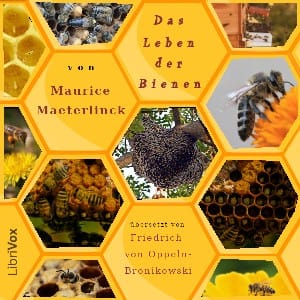
Maurice Maeterlinck transforms the humble apiary into a mirror for the soul of existence. What begins as meticulous observation of bee behavior becomes something far more ambitious: a meditation on nature, consciousness, and humanity's place in the cosmos. The Nobel laureate watches the queen, the workers, the drones; he catalogs their rituals, their seemingly impossible navigation, their sacrificial devotion to the colony. But at every turn, he asks the questions that haunt us all. What is consciousness? What do we owe to something larger than ourselves? Is there purpose in such apparent self-effacement? Written in 1901 when the mechanisms of bee life were still mysterious, this book pulses with wonder. It refuses to reduce the hive to mere instinct. Instead, Maeterlinck finds in the bee a riddle that illuminates our own lives, our own societies, our own mortality. The Life of the Bee remains a singular achievement: part natural history, part philosophical inquiry, part poetry. It is for readers who understand that science without wonder is hollow, and that the smallest creatures can illuminate the largest questions.
Editions

Link to this book
Add a free, dofollow link to Lex on your blog, forum, syllabus, or reading list.

<a href="https://lex-books.com/book/leben-der-bienen-65ea8b99-b07d-4fc0-a1d6-309a57b934af"><img src="https://lex-books.com/badges/read-on-lex.svg" alt="Read Leben der Bienen by Maurice Maeterlinck free on Lex" width="160" height="40"></a>[](https://lex-books.com/book/leben-der-bienen-65ea8b99-b07d-4fc0-a1d6-309a57b934af)[url=https://lex-books.com/book/leben-der-bienen-65ea8b99-b07d-4fc0-a1d6-309a57b934af][img]https://lex-books.com/badges/read-on-lex.svg[/img][/url]Read Leben der Bienen by Maurice Maeterlinck free on Lex: https://lex-books.com/book/leben-der-bienen-65ea8b99-b07d-4fc0-a1d6-309a57b934afCite this book
Reading this edition for a paper or guide? Copy a citation.
Maeterlinck, Maurice. Leben der Bienen. Lex, lex-books.com/book/leben-der-bienen-65ea8b99-b07d-4fc0-a1d6-309a57b934af.Maeterlinck, M. (n.d.). Leben der Bienen. Lex. https://lex-books.com/book/leben-der-bienen-65ea8b99-b07d-4fc0-a1d6-309a57b934afMaeterlinck, Maurice. Leben der Bienen. Lex. https://lex-books.com/book/leben-der-bienen-65ea8b99-b07d-4fc0-a1d6-309a57b934af.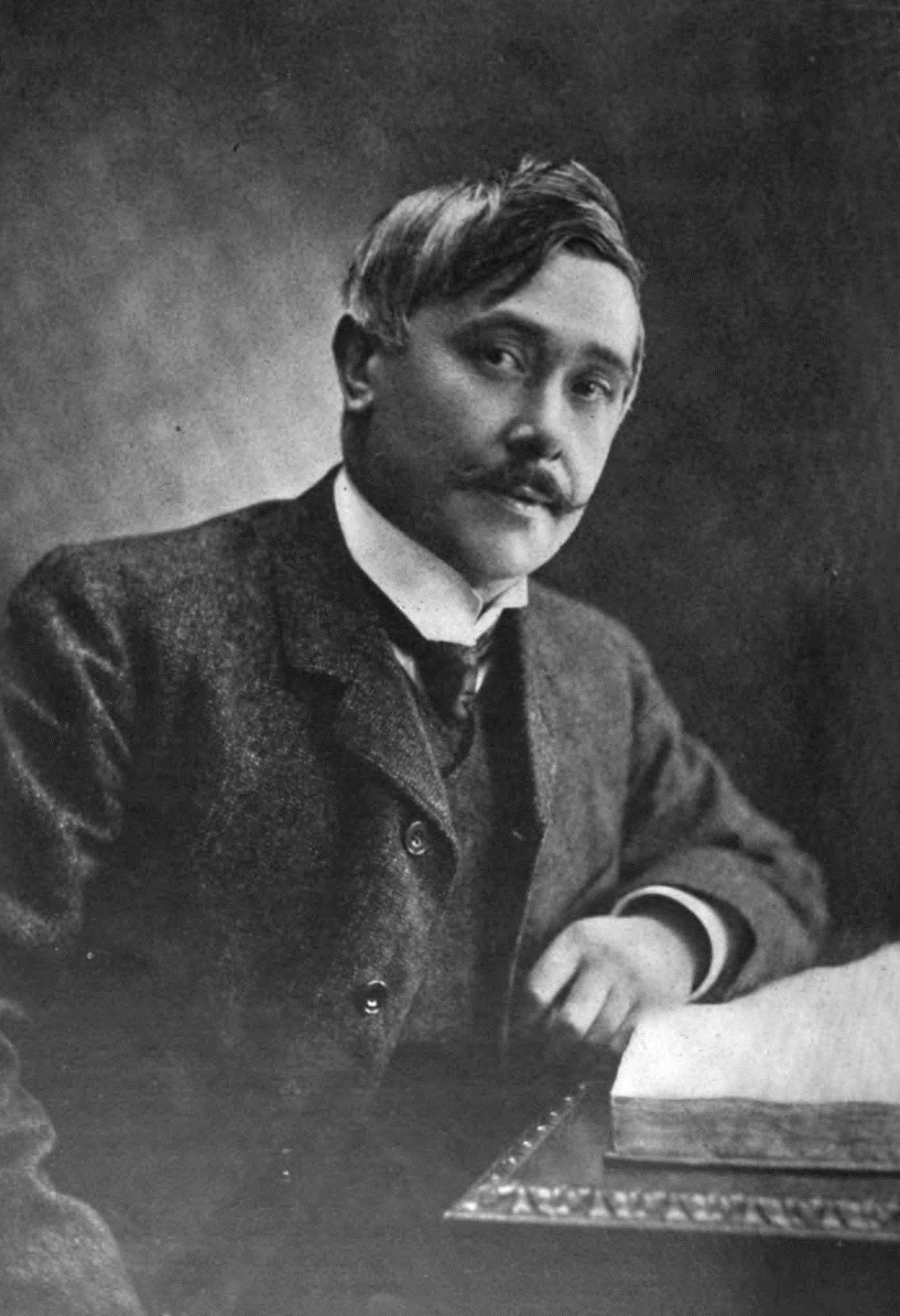


![Birds and Nature, Vol. 12 No. 1 [June 1902]illustrated by Color Photography](/_next/image?url=https%3A%2F%2Fd3b2n8gj62qnwr.cloudfront.net%2FCOVERS%2Fgutenberg_covers75k%2Febook-47881.png&w=3840&q=75)