Le Viandier De Taillevent
Le Viandier De Taillevent
One of the oldest surviving French cookbooks, this 14th-century manuscript offers an unparalleled window into the kitchens of medieval French nobility. Taillevent, cook to kings and dukes, recorded over 220 recipes that reveal a cuisine far more sophisticated than modern stereotypes suggest: intricate sauces built on wine and vinegar, elaborate spice combinations, and cooking techniques that prefigure French haute cuisine by centuries. The text captures not merely recipes but an entire social order, where food signified power, hospitality was political, and the complexity of a sauce announced the status of its host. This critical edition presents all four surviving manuscript versions, showing how culinary tastes evolved across a century of French seigneurial life. For food historians, culinary enthusiasts, and anyone curious about the deep roots of French gastronomy, it serves as both a time machine and a masterclass in understanding how we ate before refrigeration, before辣椒, before the modern pantry.
Editions
X-Ray
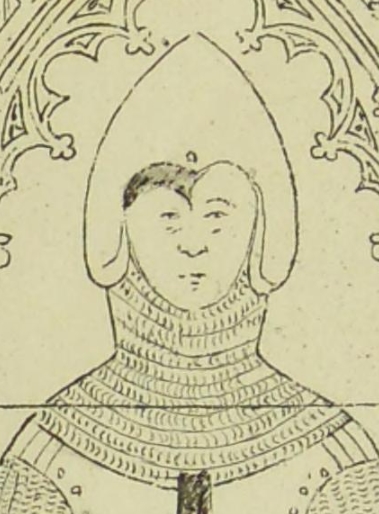
Guillaume Tirel, known as Taillevent, was the master cook (queux) to the King of France. He serves as the authoritative voice throughout this culinary treatise, providing detailed instructions for preparing elaborate medieval dishes.
The King of France for whom Taillevent served as master cook. Though not directly present, his influence permeates the work as the ultimate authority for whom these elaborate feasts were prepared.
A nobleman mentioned in the banquet descriptions, representing the aristocratic clientele for whom these elaborate meals were designed.
A noblewoman mentioned in the feast descriptions, illustrating the courtly context of medieval haute cuisine.
About Le Viandier De Taillevent
Chapter Summaries
- 1
- Opens with Taillevent's introduction as master cook to the king, followed by an extensive table of contents listing all recipes. Establishes the scope of the work covering boiled dishes, roasts, fish, sauces, and spices.
- 2
- Detailed recipes for various brouets (broths/stews) including blanc brouet de chapons, brouet georget, and other elaborate liquid dishes. Each recipe includes specific spice combinations and cooking techniques.
- 3
- Instructions for cretonnées (creamy, bound dishes) using eggs, cream, and various meats or fish. Includes both meat and fish versions, showing adaptation for religious dietary requirements.
Key Themes
- Culinary Artistry and Craftsmanship
- The treatise elevates cooking to an art form, demonstrating the sophisticated techniques and elaborate presentations required for royal cuisine. Taillevent's detailed instructions reveal cooking as a skilled craft requiring extensive knowledge and precision.
- Social Hierarchy and Status
- The recipes reflect the rigid social structure of medieval France, with elaborate dishes serving to display wealth and status. The complexity and expense of ingredients demonstrate the gulf between noble and common tables.
- Seasonal and Religious Observance
- The cookbook carefully distinguishes between meat and fish dishes, reflecting the medieval Christian calendar of fasting and feasting. Recipes are organized around religious dietary restrictions and seasonal availability.
Characters
- Taillevent(protagonist)
- Guillaume Tirel, known as Taillevent, was the master cook (queux) to the King of France. He serves as the authoritative voice throughout this culinary treatise, providing detailed instructions for preparing elaborate medieval dishes.
- The King (Roy nostre sire)(major)
- The King of France for whom Taillevent served as master cook. Though not directly present, his influence permeates the work as the ultimate authority for whom these elaborate feasts were prepared.
- Monseigneur du Mayne(minor)
- A nobleman mentioned in the banquet descriptions, representing the aristocratic clientele for whom these elaborate meals were designed.
- Madamoyselle de chasteau brun(minor)
- A noblewoman mentioned in the feast descriptions, illustrating the courtly context of medieval haute cuisine.
Link to this book
Add a free, dofollow link to Lex on your blog, forum, syllabus, or reading list.

<a href="https://lex-books.com/book/le-viandier-de-taillevent-6c1d465f-c78b-4432-a36d-a8f49e4d4294"><img src="https://lex-books.com/badges/read-on-lex.svg" alt="Read Le Viandier De Taillevent by Taillevent free on Lex" width="160" height="40"></a>[](https://lex-books.com/book/le-viandier-de-taillevent-6c1d465f-c78b-4432-a36d-a8f49e4d4294)[url=https://lex-books.com/book/le-viandier-de-taillevent-6c1d465f-c78b-4432-a36d-a8f49e4d4294][img]https://lex-books.com/badges/read-on-lex.svg[/img][/url]Read Le Viandier De Taillevent by Taillevent free on Lex: https://lex-books.com/book/le-viandier-de-taillevent-6c1d465f-c78b-4432-a36d-a8f49e4d4294Cite this book
Reading this edition for a paper or guide? Copy a citation.
Taillevent. Le Viandier De Taillevent. Lex, lex-books.com/book/le-viandier-de-taillevent-6c1d465f-c78b-4432-a36d-a8f49e4d4294.Taillevent (n.d.). Le Viandier De Taillevent. Lex. https://lex-books.com/book/le-viandier-de-taillevent-6c1d465f-c78b-4432-a36d-a8f49e4d4294Taillevent. Le Viandier De Taillevent. Lex. https://lex-books.com/book/le-viandier-de-taillevent-6c1d465f-c78b-4432-a36d-a8f49e4d4294.