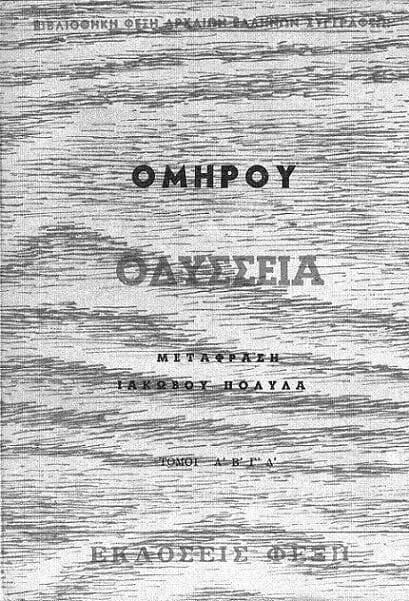
Λίμνη (Le Lac)

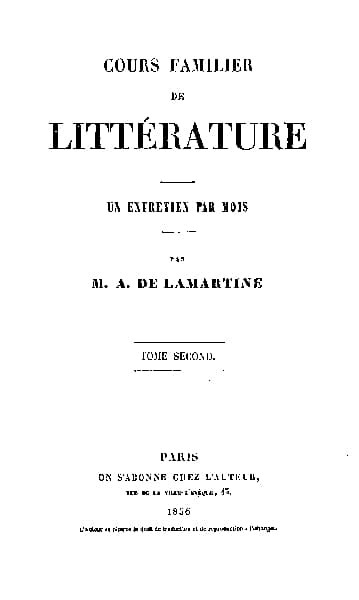
A poet returns to the solitary lake where he once held his beloved in his arms. She is gone now, taken by death, and he stands on the shore alone, addressing the waters themselves as if they might preserve what time has stolen. This is Lamartine's great elegy, a poem written in the shadow of Julie Charles's terminal illness, an address to nature pleading that it remember what mortal hearts cannot hold onto. The lake becomes witness, confidant, and memorial in one of Romanticism's most devastating meditations on love and loss. Written in 1818, the poem ignited French poetry with its raw emotional directness, its refusal to contain feeling within classical restraint. Here is passion reduced to memory, beauty confronted by mortality, and the desperate human hope that somehow, somewhere, something might remember what we loved. It remains the defining lyric of Romantic melancholy, a poem that understands grief as the price of having truly loved.
Editions

Read by
Group Narration
2 readers
Christiane Jehanne, Rapunzelina
Link to this book
Add a free, dofollow link to Lex on your blog, forum, syllabus, or reading list.

<a href="https://lex-books.com/book/le-lac-4b25d0ca-82f5-4e65-a612-8d5eb7922c70"><img src="https://lex-books.com/badges/read-on-lex.svg" alt="Read Λίμνη (Le Lac) by Alphonse de Lamartine free on Lex" width="160" height="40"></a>[](https://lex-books.com/book/le-lac-4b25d0ca-82f5-4e65-a612-8d5eb7922c70)[url=https://lex-books.com/book/le-lac-4b25d0ca-82f5-4e65-a612-8d5eb7922c70][img]https://lex-books.com/badges/read-on-lex.svg[/img][/url]Read Λίμνη (Le Lac) by Alphonse de Lamartine free on Lex: https://lex-books.com/book/le-lac-4b25d0ca-82f5-4e65-a612-8d5eb7922c70Cite this book
Reading this edition for a paper or guide? Copy a citation.
Lamartine, Alphonse de. Λίμνη (Le Lac). Lex, lex-books.com/book/le-lac-4b25d0ca-82f5-4e65-a612-8d5eb7922c70.Lamartine, A. D. (n.d.). Λίμνη (Le Lac). Lex. https://lex-books.com/book/le-lac-4b25d0ca-82f5-4e65-a612-8d5eb7922c70Lamartine, Alphonse de. Λίμνη (Le Lac). Lex. https://lex-books.com/book/le-lac-4b25d0ca-82f5-4e65-a612-8d5eb7922c70.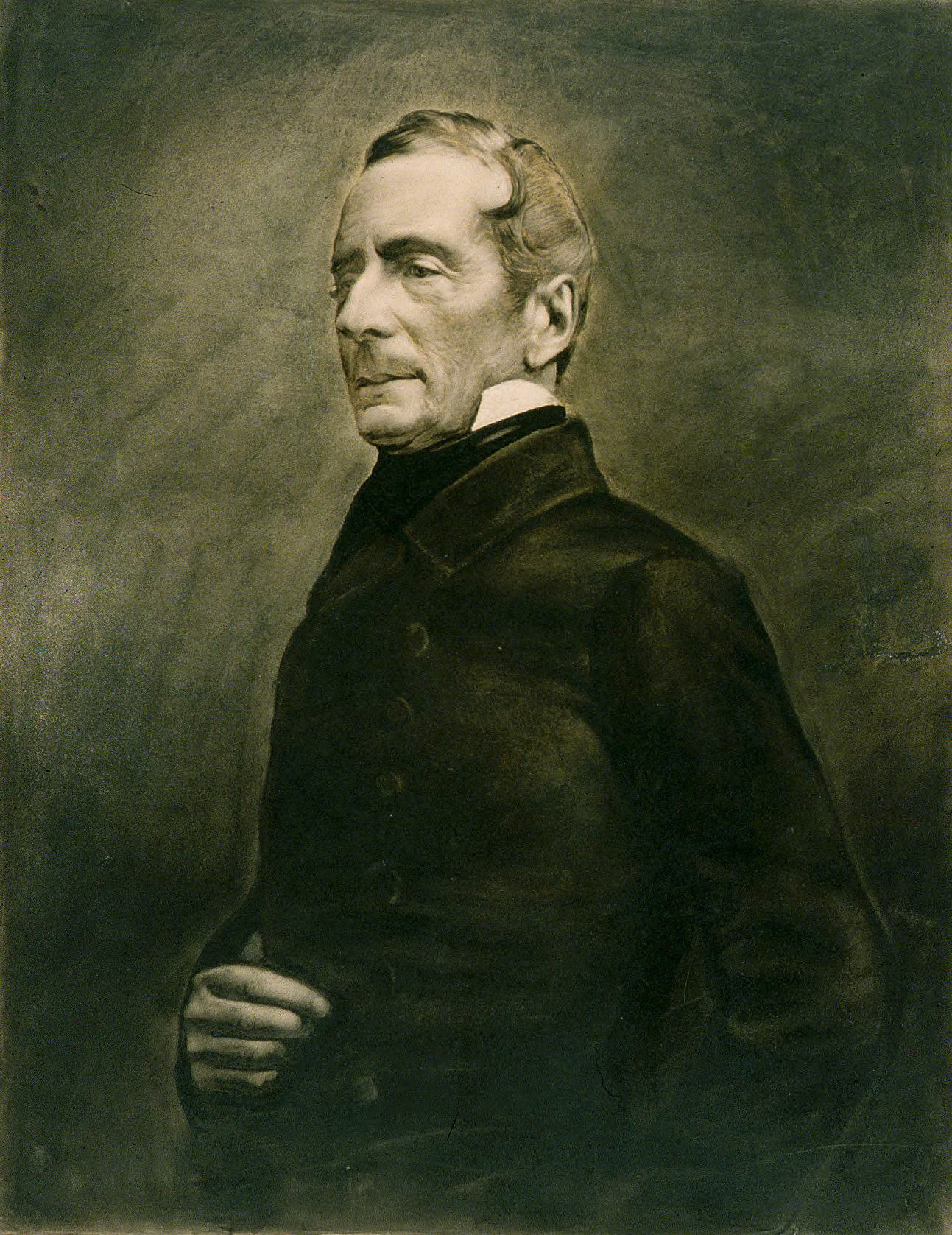






![Birds and Nature, Vol. 12 No. 1 [June 1902]illustrated by Color Photography](/_next/image?url=https%3A%2F%2Fd3b2n8gj62qnwr.cloudfront.net%2FCOVERS%2Fgutenberg_covers75k%2Febook-47881.png&w=3840&q=75)