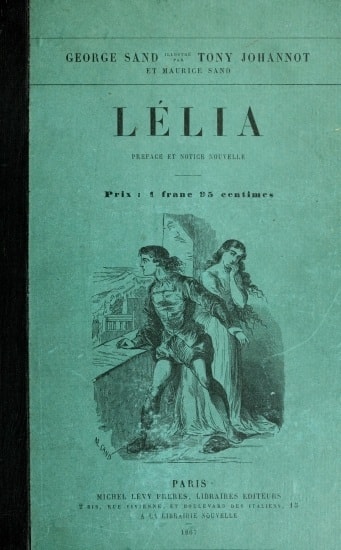
Lélia
1833
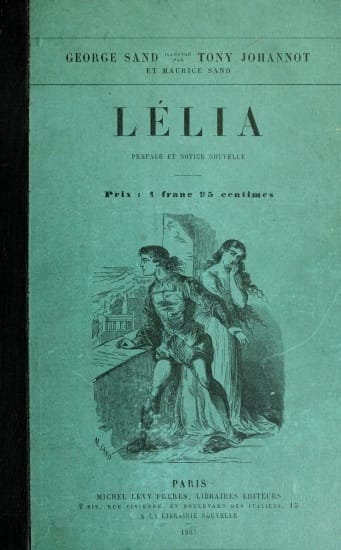
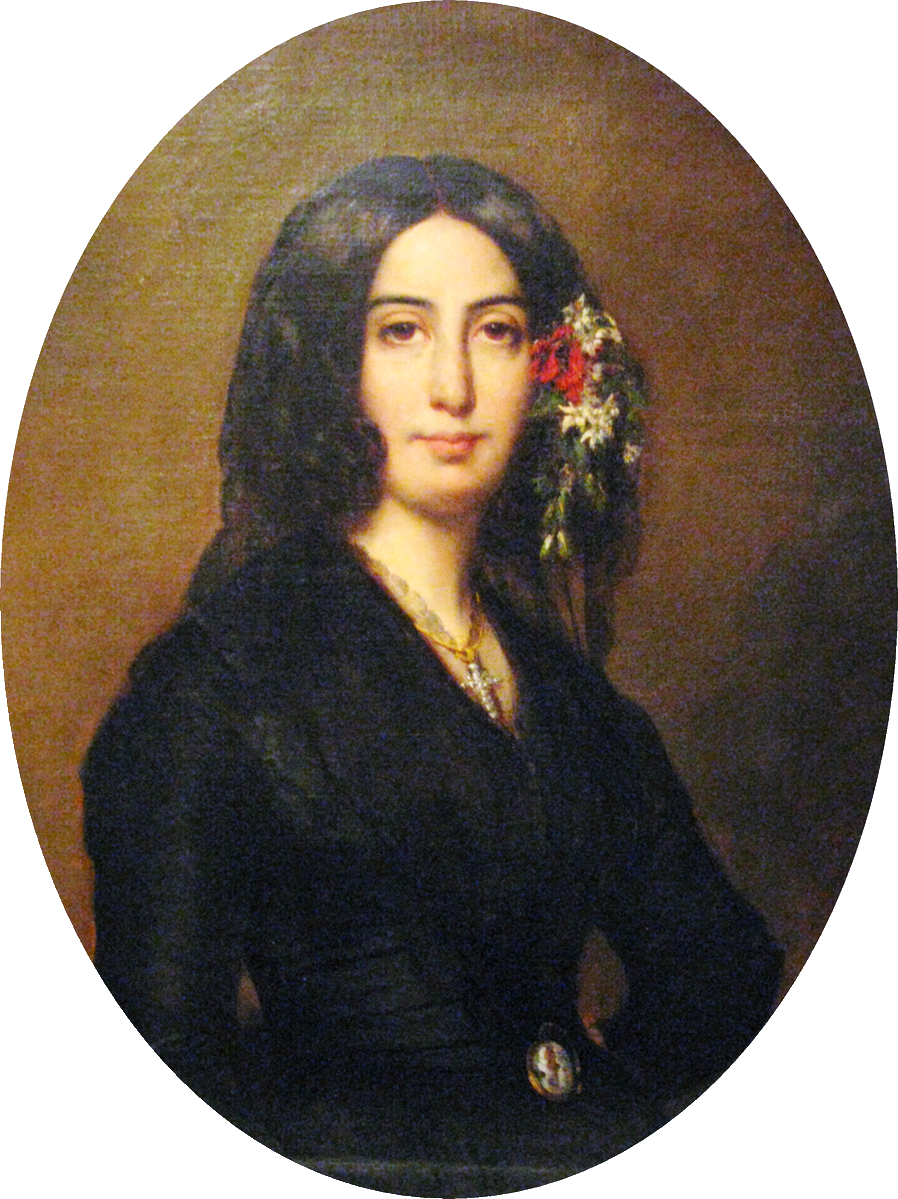
In 1833, a 29-year-old woman named George Sand published a novel that scandalized France. Lélia is the story of a woman who has retreated from the world into religious devotion, only to find that even the monastery offers no escape from the torments of love and desire. The narrative unfolds through the men who love her: a poet still consumed by memories of her ethereal, untouchable self, and others who desire what they cannot possess. Through their eyes, Sand constructs a searing indictment of a society that reduces women to objects of male desire while denying them the same moral and sexual freedom it grants men. The prostitute and the married woman, she argues, are both prisoners of male appetite. This is a book written in anguish, with no resolution, no comfortable ending, no false hope. Sand would later try to revise it and fail. The despair and skepticism proved inextinguishable.
Editions
X-Ray
“Indeed, nothing is further from realizing the pretension of the beautiful than an ill-arranged ball. So many things difficult to assemble are necessary that during an entire century perhaps only two are given that can satisfy the artist. There must be the right climate, locale, decoration, food and costumes. It must be a Spanish or Italian night, dark and moonless, because the moon, when it reigns in the sky, throws an influence of languor and melancholy over men that is reflected in all their sensations. It must be a fresh, airy night with stars shining feebly through the clouds. There must be large gardens whose intoxicating perfume penetrates the rooms in waves. The fragrance of orange trees and of the Constantinople rose are especially apt to develop exaltation of heart and mind. There must be light food, delicate wines, fruit of all climates, and flowers of all seasons. There must be a profusion of things rare and difficult to possess, because a ball should be a realization of the most voracious imaginations and the most capricious desires. One must understand one thing before giving a ball: rich, civilized human beings find pleasure only in the hope of the impossible. So one must approach the impossible as closely as one can.””
— George Sand
“Rien n'est aussi beau que la nature brute et sauvage. Il faut devant elle regarder et sentir : le plus grand poète est alors celui qui invente le moins””
— George Sand
“La rosée du matin sema ses fins cheveux de larmes embaumées””
— George Sand
“Avez-vous remarqué, Sténio, qu'il y a des heures où nous sommes forcés d'aimer, des heures où la poésie nous inonde, où notre cœur bat plus vite, où notre âme s'élance hors de nous et brise tous les liens de la volonté poud aller chercher une autre âme où se répandre ? Combien de fois, à l'entrée de la nuit, au lever de la lune, aux premières clartés du jour, combien de fois, dans le silence de minuit et dans cet autre silence de midi si accablant, si inquiet, si dévorant, n'ai-je pas senti mon cœur se précipiter vers un but inconnu, vers un bonheur sans forme et sans nom, qui est au ciel, qui est dans l'air, qui est partout, comme un aimant invisible, comme l'amour !””
— George Sand
Link to this book
Add a free, dofollow link to Lex on your blog, forum, syllabus, or reading list.

<a href="https://lex-books.com/book/l-lia-0943f84a-908a-4db2-a999-484d48013731"><img src="https://lex-books.com/badges/read-on-lex.svg" alt="Read Lélia by George Sand free on Lex" width="160" height="40"></a>[](https://lex-books.com/book/l-lia-0943f84a-908a-4db2-a999-484d48013731)[url=https://lex-books.com/book/l-lia-0943f84a-908a-4db2-a999-484d48013731][img]https://lex-books.com/badges/read-on-lex.svg[/img][/url]Read Lélia by George Sand free on Lex: https://lex-books.com/book/l-lia-0943f84a-908a-4db2-a999-484d48013731Cite this book
Reading this edition for a paper or guide? Copy a citation.
Sand, George. Lélia. Lex, lex-books.com/book/l-lia-0943f84a-908a-4db2-a999-484d48013731.Sand, G. (1833). Lélia. Lex. https://lex-books.com/book/l-lia-0943f84a-908a-4db2-a999-484d48013731Sand, George. Lélia. Lex. https://lex-books.com/book/l-lia-0943f84a-908a-4db2-a999-484d48013731.