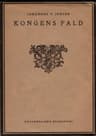
Kongens Fald
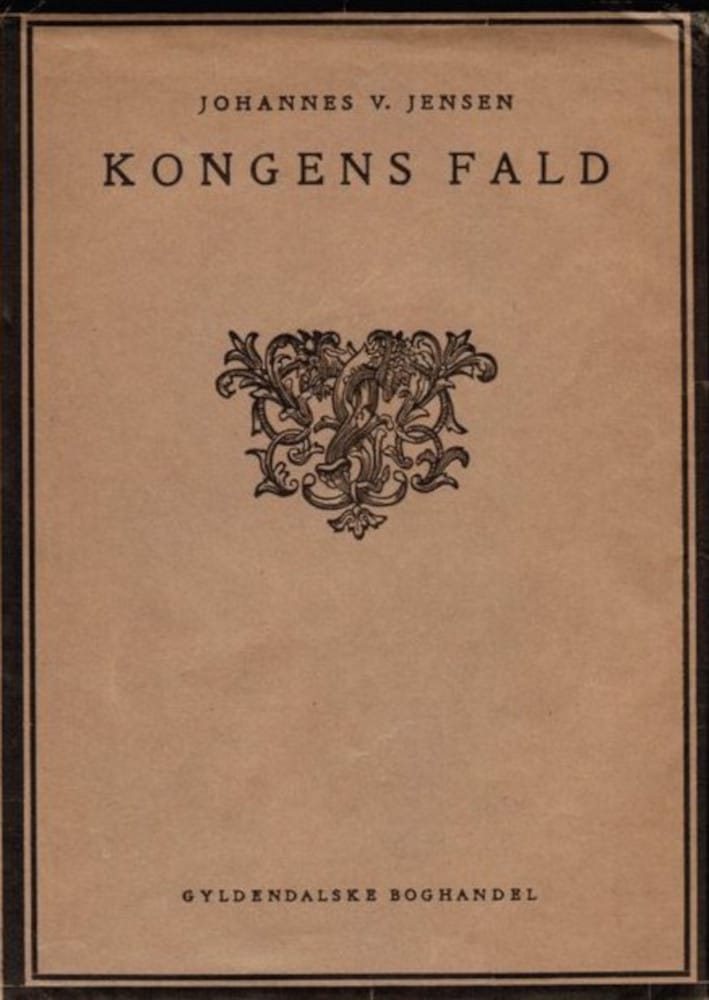
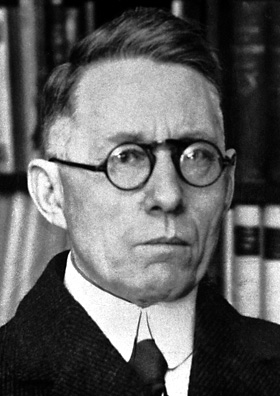
Johannes V. Jensen's masterpiece follows Mikkel Thøgersen, a young farmer's son who leaves his provincial life to study in Copenhagen at the close of the fifteenth century. Over four decades spanning 1497 to 1535, Mikkel drifts through a Denmark in violent transformation: the Renaissance arriving from the south, the Church weakening, and King Christian II ascending and falling in blood and exile. Mikkel is no hero. He is small, uncertain, sometimes cruel, occasionally tender. He watches the king he adores destroyed. He loves without grace. He survives. What makes this novel extraordinary is Jensen's radical insight: history is not made by extraordinary men but experienced by ordinary ones, absorbed quietly, incompletely, through the body and the senses. The three parts structure the narrative as seasons, spring dying into a great summer of hope and violence, then winter. Winner of the Nobel Prize, Jensen crafted in Kongens Fald a work that Danish readers twice voted the century's finest novel.
Editions
X-Ray
“يمكن للإنسان أن يهزم الأرض كلها ، لكن قبل ذلك عليه أن ينتصر ثانية في المكان الذي شهد هزيمته ، وقبل ذلك لن يعرف للإنتصار طعمًا””
— Johannes V. Jensen
“At noontime in midsummer, when the sun is at its highest and everything is in a state of embroiled repose, flashes may be seen in the southern sky. Into the radiance of daylight come bursts of light even more radiant. Exactly half a year later, when the fjord is frozen over and the land buried in snow, the very same spirit taunts creation. At night cracks in the ice race from one end of the fjord to the other, resounding like gunshots or like the roaring of a mad demon.The peasants dig tunnels from their door through the drifts over to the cow shed. Where are the trolls and the elves now, and where are the sounds of nature? Even the Beast may well be dead and forgotten. Life itself hangs in suspension - existence has shrunk to nothingness. Now it is only a question of survival. The fox thrashes around in a blizzard in the oak thicket and fights his way out, mortally terrified.It is a time of stillness. Hoarfrost lies in a timeless shroud over the fjord. All day long a strange, sighing sound is heard from out on the ice. It is a fisherman, standing alone at his hole and spearing eel.One night it snows again. The air is sheer snow and the wind a frigid blast. No living creature is stirring. Then a rider comes to the crossing at Hvalpsund. There is no difficulty in getting over - he does not even slacken his speed, but rides at a brisk trot from the shore out onto the ice.The hoofbeats thunder beneath him and the ice roars for miles around. He reaches the other side and rides up onto the land. The horse”
— Johannes V. Jensen
“It is June, the time when men mass and ships lie in readiness. The king conquers Sweden at this time every year.””
— Johannes V. Jensen
Link to this book
Add a free, dofollow link to Lex on your blog, forum, syllabus, or reading list.

<a href="https://lex-books.com/book/kongens-fald-40c1162c-27bc-46c9-ace7-e9c6c1b84310"><img src="https://lex-books.com/badges/read-on-lex.svg" alt="Read Kongens Fald by Johannes V. Jensen free on Lex" width="160" height="40"></a>[](https://lex-books.com/book/kongens-fald-40c1162c-27bc-46c9-ace7-e9c6c1b84310)[url=https://lex-books.com/book/kongens-fald-40c1162c-27bc-46c9-ace7-e9c6c1b84310][img]https://lex-books.com/badges/read-on-lex.svg[/img][/url]Read Kongens Fald by Johannes V. Jensen free on Lex: https://lex-books.com/book/kongens-fald-40c1162c-27bc-46c9-ace7-e9c6c1b84310Cite this book
Reading this edition for a paper or guide? Copy a citation.
Jensen, Johannes V.. Kongens Fald. Lex, lex-books.com/book/kongens-fald-40c1162c-27bc-46c9-ace7-e9c6c1b84310.Jensen, J. V. (n.d.). Kongens Fald. Lex. https://lex-books.com/book/kongens-fald-40c1162c-27bc-46c9-ace7-e9c6c1b84310Jensen, Johannes V.. Kongens Fald. Lex. https://lex-books.com/book/kongens-fald-40c1162c-27bc-46c9-ace7-e9c6c1b84310.