Jerusalem

Perhaps no poem in English has achieved the strange, quiet status of William Blake's «Jerusalem»: a four-stanza vision so embedded in the national consciousness that it functions as an unofficial anthem, yet its questions remain as unsettling as ever. Written around 1804-1808, the poem imagines a pilgrim walking through England's green and pleasant land, remembering the legend that Christ once walked these shores in ancient times. But Blake's England is also a place of «dark satanic mills» - a world poisoned by industry and spiritual emptiness. The poem asks: did the divine ever truly visit this place? Can it still? Blake's answer isn't neat certainty but fierce longing, the kind of question that demands you keep walking, keep looking, keep refusing to accept that what is must be all there is. Over a century later, composer Hubert Parry set these words to music, and since then the poem has rung out at Wimbledon, royal weddings, and protests - everywhere English people gather to sing about a land they want to believe in but cannot quite reach. For readers encountering Blake's words afresh, the poem remains a provocation: a beautiful, stubborn insistence that England (and perhaps any nation) is worth fighting for, not as it is, but as it might become.
Editions

Read by
Group Narration
9 readers
Anna Roberts, Craig Campbell, CalmDragon, David Lawrence +5 more
Link to this book
Add a free, dofollow link to Lex on your blog, forum, syllabus, or reading list.

<a href="https://lex-books.com/book/jerusalem-34582aea-4ee2-44d0-ab3b-15f112fa46dd"><img src="https://lex-books.com/badges/read-on-lex.svg" alt="Read Jerusalem by William Blake free on Lex" width="160" height="40"></a>[](https://lex-books.com/book/jerusalem-34582aea-4ee2-44d0-ab3b-15f112fa46dd)[url=https://lex-books.com/book/jerusalem-34582aea-4ee2-44d0-ab3b-15f112fa46dd][img]https://lex-books.com/badges/read-on-lex.svg[/img][/url]Read Jerusalem by William Blake free on Lex: https://lex-books.com/book/jerusalem-34582aea-4ee2-44d0-ab3b-15f112fa46ddCite this book
Reading this edition for a paper or guide? Copy a citation.
Blake, William. Jerusalem. Lex, lex-books.com/book/jerusalem-34582aea-4ee2-44d0-ab3b-15f112fa46dd.Blake, W. (n.d.). Jerusalem. Lex. https://lex-books.com/book/jerusalem-34582aea-4ee2-44d0-ab3b-15f112fa46ddBlake, William. Jerusalem. Lex. https://lex-books.com/book/jerusalem-34582aea-4ee2-44d0-ab3b-15f112fa46dd.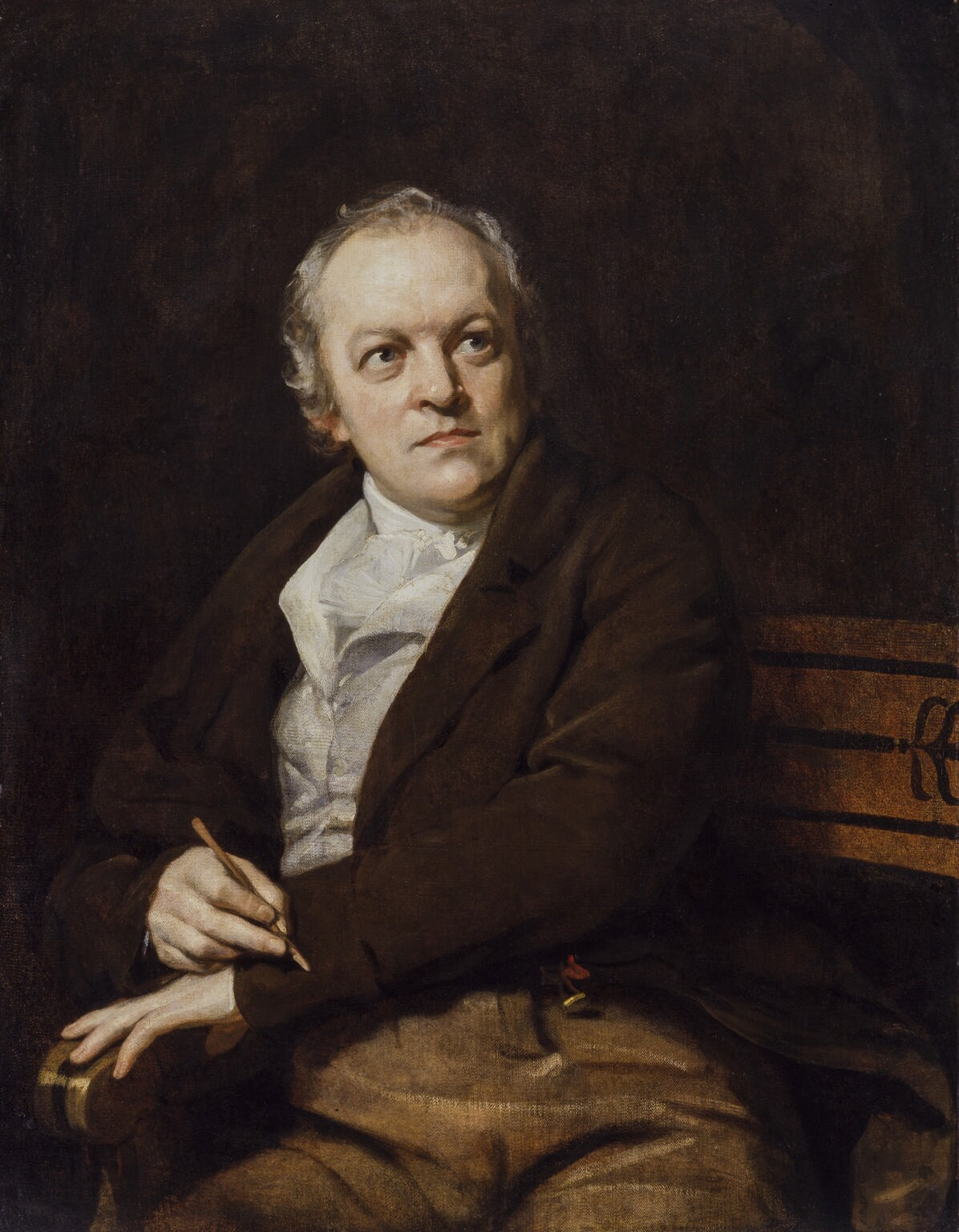




![Birds and Nature, Vol. 12 No. 1 [June 1902]illustrated by Color Photography](/_next/image?url=https%3A%2F%2Fd3b2n8gj62qnwr.cloudfront.net%2FCOVERS%2Fgutenberg_covers75k%2Febook-47881.png&w=3840&q=75)