In the Days When the World Was Wide, and Other Verses
Henry Lawson's debut collection roars with the voice of the Australian bush: rough, grieving, unapologetically alive. These are poems written by a man who knew what it meant to swing a pick in rocky soil, to lose loved ones to distance and drought, to feel the world shrinking around him as the frontier closed. The title poem aches with that loss - a paean to an era when the map was blank, when men sailed toward mysteries, when adventure meant something. But Lawson isn't merely nostalgic; he's angry at what replaces wonder: the tedious crowds, the dull roads, the smallness of modern life. Between these covers live his most anthologized verses - the heartbreak of 'The Free Selector's Daughter,' the rollicking 'Middleton's Rouseabout,' the bitter wit of his Bulletin Debate with Banjo Paterson. This is the poetry of ordinary Australians, written in language they could speak and feel. It made no pretense to refinement, and that's precisely why it mattered then and still matters now. For anyone who has ever looked at the map of their life and wondered where the wide world went.
Editions
Link to this book
Add a free, dofollow link to Lex on your blog, forum, syllabus, or reading list.

<a href="https://lex-books.com/book/in-the-days-when-the-world-was-wide-and-other-verses-57a74702-7fa8-4a02-8316-20f434362cf4"><img src="https://lex-books.com/badges/read-on-lex.svg" alt="Read In the Days When the World Was Wide, and Other Verses by Henry Lawson free on Lex" width="160" height="40"></a>[](https://lex-books.com/book/in-the-days-when-the-world-was-wide-and-other-verses-57a74702-7fa8-4a02-8316-20f434362cf4)[url=https://lex-books.com/book/in-the-days-when-the-world-was-wide-and-other-verses-57a74702-7fa8-4a02-8316-20f434362cf4][img]https://lex-books.com/badges/read-on-lex.svg[/img][/url]Read In the Days When the World Was Wide, and Other Verses by Henry Lawson free on Lex: https://lex-books.com/book/in-the-days-when-the-world-was-wide-and-other-verses-57a74702-7fa8-4a02-8316-20f434362cf4Cite this book
Reading this edition for a paper or guide? Copy a citation.
Lawson, Henry. In the Days When the World Was Wide, and Other Verses. Lex, lex-books.com/book/in-the-days-when-the-world-was-wide-and-other-verses-57a74702-7fa8-4a02-8316-20f434362cf4.Lawson, H. (n.d.). In the Days When the World Was Wide, and Other Verses. Lex. https://lex-books.com/book/in-the-days-when-the-world-was-wide-and-other-verses-57a74702-7fa8-4a02-8316-20f434362cf4Lawson, Henry. In the Days When the World Was Wide, and Other Verses. Lex. https://lex-books.com/book/in-the-days-when-the-world-was-wide-and-other-verses-57a74702-7fa8-4a02-8316-20f434362cf4.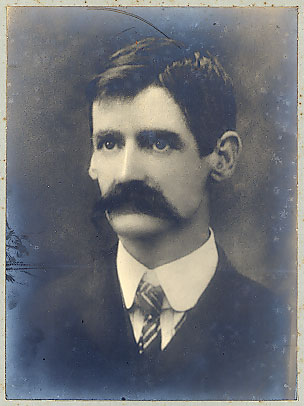





![Birds and Nature, Vol. 12 No. 1 [June 1902]illustrated by Color Photography](/_next/image?url=https%3A%2F%2Fd3b2n8gj62qnwr.cloudfront.net%2FCOVERS%2Fgutenberg_covers75k%2Febook-47881.png&w=3840&q=75)