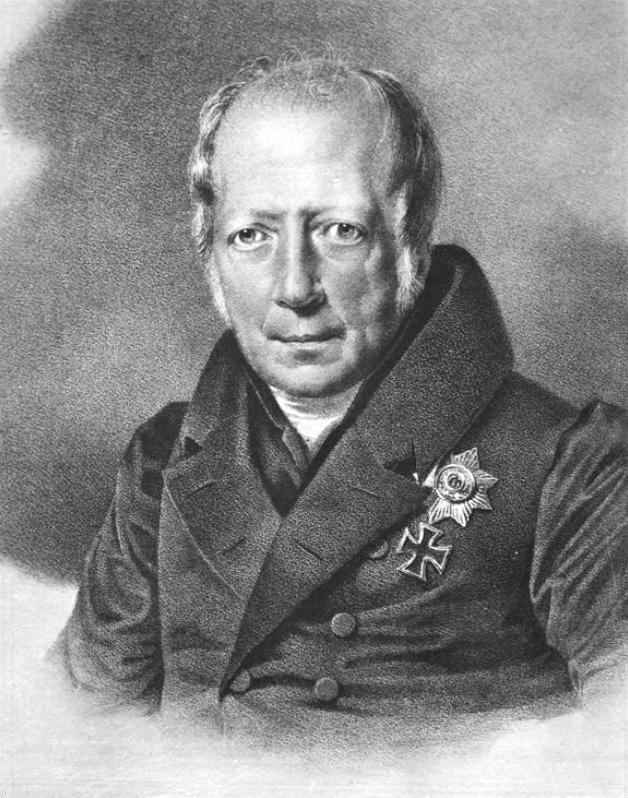
Ideen zu einem Versuch, die Grenzen der Wirksamkeit des Staats zu bestimmen

Written at just twenty-three years old, this slender treatise laid the philosophical groundwork for everything John Stuart Mill would later champion in "On Liberty." Wilhelm von Humboldt here constructs a radical argument: the state, he contends, must limit its interference to protecting citizens from external threats and internal injustice, leaving the vast territories of personal development, cultural creation, and civil society to flourish free from bureaucratic control. He warns that excessive state intervention stunts the very qualities it purports to nurture individual creativity, intellectual vigor, and moral autonomy. The young Humboldt wrote this as a philosophical experiment, but it became the cornerstone of German liberal thought and influenced liberal thinkers across Europe for generations. For readers interested in the intellectual origins of limited government, personal freedom, and the debate over state versus individual that still defines political life today, this text offers a crystalline articulation of principles that remain startlingly relevant.
Editions

Link to this book
Add a free, dofollow link to Lex on your blog, forum, syllabus, or reading list.

<a href="https://lex-books.com/book/ideen-zu-einem-versuch-die-grenzen-der-wirksamkeit-des-staats-zu-bestimmen-5ef7e2a7-ca27-4075-936c-1c380df369fa"><img src="https://lex-books.com/badges/read-on-lex.svg" alt="Read Ideen zu einem Versuch, die Grenzen der Wirksamkeit des Staats zu bestimmen by Wilhelm von Humboldt free on Lex" width="160" height="40"></a>[](https://lex-books.com/book/ideen-zu-einem-versuch-die-grenzen-der-wirksamkeit-des-staats-zu-bestimmen-5ef7e2a7-ca27-4075-936c-1c380df369fa)[url=https://lex-books.com/book/ideen-zu-einem-versuch-die-grenzen-der-wirksamkeit-des-staats-zu-bestimmen-5ef7e2a7-ca27-4075-936c-1c380df369fa][img]https://lex-books.com/badges/read-on-lex.svg[/img][/url]Read Ideen zu einem Versuch, die Grenzen der Wirksamkeit des Staats zu bestimmen by Wilhelm von Humboldt free on Lex: https://lex-books.com/book/ideen-zu-einem-versuch-die-grenzen-der-wirksamkeit-des-staats-zu-bestimmen-5ef7e2a7-ca27-4075-936c-1c380df369faCite this book
Reading this edition for a paper or guide? Copy a citation.
Humboldt, Wilhelm von. Ideen zu einem Versuch, die Grenzen der Wirksamkeit des Staats zu bestimmen. Lex, lex-books.com/book/ideen-zu-einem-versuch-die-grenzen-der-wirksamkeit-des-staats-zu-bestimmen-5ef7e2a7-ca27-4075-936c-1c380df369fa.Humboldt, W. V. (n.d.). Ideen zu einem Versuch, die Grenzen der Wirksamkeit des Staats zu bestimmen. Lex. https://lex-books.com/book/ideen-zu-einem-versuch-die-grenzen-der-wirksamkeit-des-staats-zu-bestimmen-5ef7e2a7-ca27-4075-936c-1c380df369faHumboldt, Wilhelm von. Ideen zu einem Versuch, die Grenzen der Wirksamkeit des Staats zu bestimmen. Lex. https://lex-books.com/book/ideen-zu-einem-versuch-die-grenzen-der-wirksamkeit-des-staats-zu-bestimmen-5ef7e2a7-ca27-4075-936c-1c380df369fa.