History of Egypt, Chaldæa, Syria, Babylonia, and Assyria, Volume 3 (of 12)
1903
History of Egypt, Chaldæa, Syria, Babylonia, and Assyria, Volume 3 (of 12)
1903
Translated by McClure M. L.
A historical account presumably written in the late 19th century. This volume delves into the ancient civilizations of Chaldæa and the significant myths, inhabitants, cities, and dynasties that shaped their history. It presents a detailed exploration of creation myths and the foundational beliefs that characterized early human civilizations in these regions. The opening of the book elaborates on the mythological origins of the universe, specifically focusing on the primordial creation from chaos involving gods such as Apsu and Tiâmat. It describes their offspring, including key deities like Marduk, who is chosen by the gods to combat Tiâmat and restore order. The narrative conveys the epic struggle and eventual victory, intertwining mythological elements with the cultural history of the Chaldæan civilization. It establishes a backdrop for understanding how these legends influenced the social and religious structures of ancient Mesopotamia, particularly in the context of their creation myths and their depictions of gods and monsters.
Editions
X-Ray
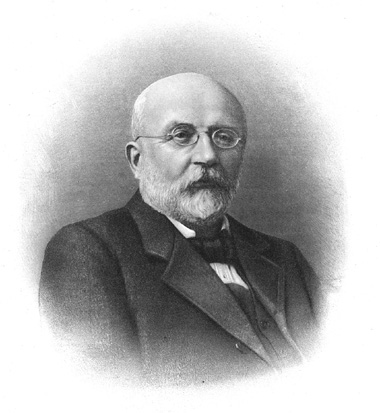
The primary author of this historical work, a distinguished French Egyptologist and historian. He serves as the scholarly voice presenting the ancient history of Chaldæa through archaeological evidence and textual analysis.
The legendary hero-king of Uruk, central figure of the great Chaldæan epic. A powerful warrior of unusual appearance who struggles against the goddess Ishtar and seeks immortality after the death of his companion Eabani.
The wild man created by the gods to challenge Gilgames, who becomes his closest friend and companion. Originally living among beasts, he is civilized through the arts of a priestess and dies tragically in battle.
The powerful goddess of love and war, patron of Uruk. She pursues Gilgames romantically but becomes his enemy when rejected, sending divine punishment against him and later descending to the underworld.
About History of Egypt, Chaldæa, Syria, Babylonia, and Assyria, Volume 3 (of 12)
Chapter Summaries
- 1
- Presents the Chaldæan creation myth, the story of the deluge, and the epic of Gilgames. Describes the geography and early history of the region, including the legendary dynasties and the archaeological evidence for early Chaldæan civilization.
- 2
- Examines Chaldæan religious architecture, particularly the ziggurats, and provides detailed analysis of the pantheon. Discusses the nature of Chaldæan deities, their relationships, and the complex theological systems that organized them into triads.
- 3
- Explores the social, political, and economic structures of Chaldæan society. Covers royal administration, family life, commerce, industry, agriculture, and intellectual achievements including writing, law, and science.
Key Themes
- Divine Authority and Human Limitation
- The work explores how gods maintain absolute power over mortals, with humans serving as vicegerents rather than independent rulers. Even the greatest heroes like Gilgames must ultimately submit to divine will and accept mortality.
- Civilization versus Chaos
- The creation myth of Merodach's victory over Tiâmat represents the triumph of ordered civilization over primordial chaos. This theme extends to human society's constant struggle to maintain order against destructive forces.
- Death and the Afterlife
- Chaldæan religion presents a grim view of death, with the underworld as a place of dust and darkness. Unlike Egyptian beliefs, there is little hope for a blessed afterlife, making earthly life precious and death terrifying.
Characters
- G. Maspero(major)
- The primary author of this historical work, a distinguished French Egyptologist and historian. He serves as the scholarly voice presenting the ancient history of Chaldæa through archaeological evidence and textual analysis.
- Gilgames(protagonist)
- The legendary hero-king of Uruk, central figure of the great Chaldæan epic. A powerful warrior of unusual appearance who struggles against the goddess Ishtar and seeks immortality after the death of his companion Eabani.
- Eabani(major)
- The wild man created by the gods to challenge Gilgames, who becomes his closest friend and companion. Originally living among beasts, he is civilized through the arts of a priestess and dies tragically in battle.
- Ishtar(antagonist)
- The powerful goddess of love and war, patron of Uruk. She pursues Gilgames romantically but becomes his enemy when rejected, sending divine punishment against him and later descending to the underworld.
- Shamashnapishtim(major)
- The Chaldæan Noah figure who survived the great deluge by building an ark. He dwells in a distant paradise and possesses the secret of immortality, which Gilgames seeks from him.
- Bel-Merodach(major)
- The great god of Babylon who conquered chaos and created the ordered world. He defeated the primordial monster Tiâmat and established the cosmic order, becoming king of the gods.
Link to this book
Add a free, dofollow link to Lex on your blog, forum, syllabus, or reading list.

<a href="https://lex-books.com/book/history-of-egypt-chald-a-syria-babylonia-and-assyria-volume-3-of-12-dff3de62-8d79-4709-9179-2378c2ab67aa"><img src="https://lex-books.com/badges/read-on-lex.svg" alt="Read History of Egypt, Chaldæa, Syria, Babylonia, and Assyria, Volume 3 (of 12) by G. Maspero free on Lex" width="160" height="40"></a>[](https://lex-books.com/book/history-of-egypt-chald-a-syria-babylonia-and-assyria-volume-3-of-12-dff3de62-8d79-4709-9179-2378c2ab67aa)[url=https://lex-books.com/book/history-of-egypt-chald-a-syria-babylonia-and-assyria-volume-3-of-12-dff3de62-8d79-4709-9179-2378c2ab67aa][img]https://lex-books.com/badges/read-on-lex.svg[/img][/url]Read History of Egypt, Chaldæa, Syria, Babylonia, and Assyria, Volume 3 (of 12) by G. Maspero free on Lex: https://lex-books.com/book/history-of-egypt-chald-a-syria-babylonia-and-assyria-volume-3-of-12-dff3de62-8d79-4709-9179-2378c2ab67aaCite this book
Reading this edition for a paper or guide? Copy a citation.
Maspero, G.. History of Egypt, Chaldæa, Syria, Babylonia, and Assyria, Volume 3 (of 12). Lex, lex-books.com/book/history-of-egypt-chald-a-syria-babylonia-and-assyria-volume-3-of-12-dff3de62-8d79-4709-9179-2378c2ab67aa.Maspero, G. (1903). History of Egypt, Chaldæa, Syria, Babylonia, and Assyria, Volume 3 (of 12). Lex. https://lex-books.com/book/history-of-egypt-chald-a-syria-babylonia-and-assyria-volume-3-of-12-dff3de62-8d79-4709-9179-2378c2ab67aaMaspero, G.. History of Egypt, Chaldæa, Syria, Babylonia, and Assyria, Volume 3 (of 12). Lex. https://lex-books.com/book/history-of-egypt-chald-a-syria-babylonia-and-assyria-volume-3-of-12-dff3de62-8d79-4709-9179-2378c2ab67aa.