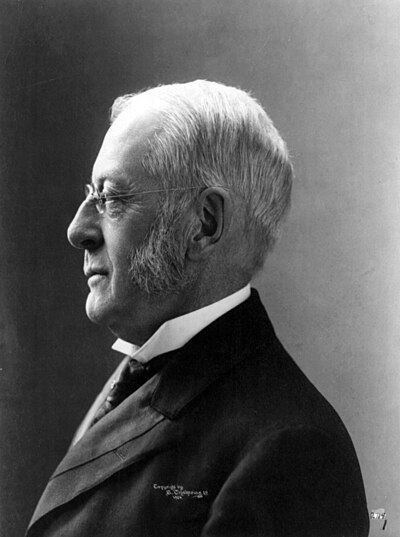
Hinduism and Buddhism, an Historical Sketch, Vol. 3
Hinduism and Buddhism, an Historical Sketch, Vol. 3
This is a remarkable story that rarely gets told with this much scope: how a philosophy born in India conquered half the world without a single army. Eliot traces Buddhism's extraordinary journey across Asia, from the monasteries of Ceylon to the courts of Chinese emperors, from the gilded temples of Burma to the zen gardens of Japan. It is history written with the confidence of an era that still believed in grand narratives, examining not just religious doctrine but art, architecture, diplomacy, and the slow osmotic spread of civilization. What emerges is a portrait of India as a cultural superpower whose influence radiates outward like light from a candle. Yet Eliot is honest about an uncomfortable asymmetry: while India transformed East Asia, the Far East never reciprocated with comparable force. This third volume of a pioneering early 20th-century study remains essential for anyone who wants to understand how ideas move between civilizations, and why some religious messages travel while others stay home.
Editions
X-Ray
“Though Hinduism has no one creed, yet there are at least two doctrines held by nearly all who call themselves Hindus. One may be described as polytheistic pantheism. Most Hindus are apparently polytheists, that is to say they venerate the images of several deities or spirits, yet most are monotheists in the sense that they address their worship to one god. But this monotheism has almost always a pantheistic tinge. The Hindu does not say the gods of the heathen are but idols, but it is the Lord who made the””
— Charles Eliot
Link to this book
Add a free, dofollow link to Lex on your blog, forum, syllabus, or reading list.

<a href="https://lex-books.com/book/hinduism-and-buddhism-an-historical-sketch-vol-3-7cd94f02-cfad-4e73-8487-ead636012b77"><img src="https://lex-books.com/badges/read-on-lex.svg" alt="Read Hinduism and Buddhism, an Historical Sketch, Vol. 3 by Charles Eliot free on Lex" width="160" height="40"></a>[](https://lex-books.com/book/hinduism-and-buddhism-an-historical-sketch-vol-3-7cd94f02-cfad-4e73-8487-ead636012b77)[url=https://lex-books.com/book/hinduism-and-buddhism-an-historical-sketch-vol-3-7cd94f02-cfad-4e73-8487-ead636012b77][img]https://lex-books.com/badges/read-on-lex.svg[/img][/url]Read Hinduism and Buddhism, an Historical Sketch, Vol. 3 by Charles Eliot free on Lex: https://lex-books.com/book/hinduism-and-buddhism-an-historical-sketch-vol-3-7cd94f02-cfad-4e73-8487-ead636012b77Cite this book
Reading this edition for a paper or guide? Copy a citation.
Eliot, Charles. Hinduism and Buddhism, an Historical Sketch, Vol. 3. Lex, lex-books.com/book/hinduism-and-buddhism-an-historical-sketch-vol-3-7cd94f02-cfad-4e73-8487-ead636012b77.Eliot, C. (n.d.). Hinduism and Buddhism, an Historical Sketch, Vol. 3. Lex. https://lex-books.com/book/hinduism-and-buddhism-an-historical-sketch-vol-3-7cd94f02-cfad-4e73-8487-ead636012b77Eliot, Charles. Hinduism and Buddhism, an Historical Sketch, Vol. 3. Lex. https://lex-books.com/book/hinduism-and-buddhism-an-historical-sketch-vol-3-7cd94f02-cfad-4e73-8487-ead636012b77.