Experiments and Considerations Touching Colours (1664)
Experiments and Considerations Touching Colours (1664)
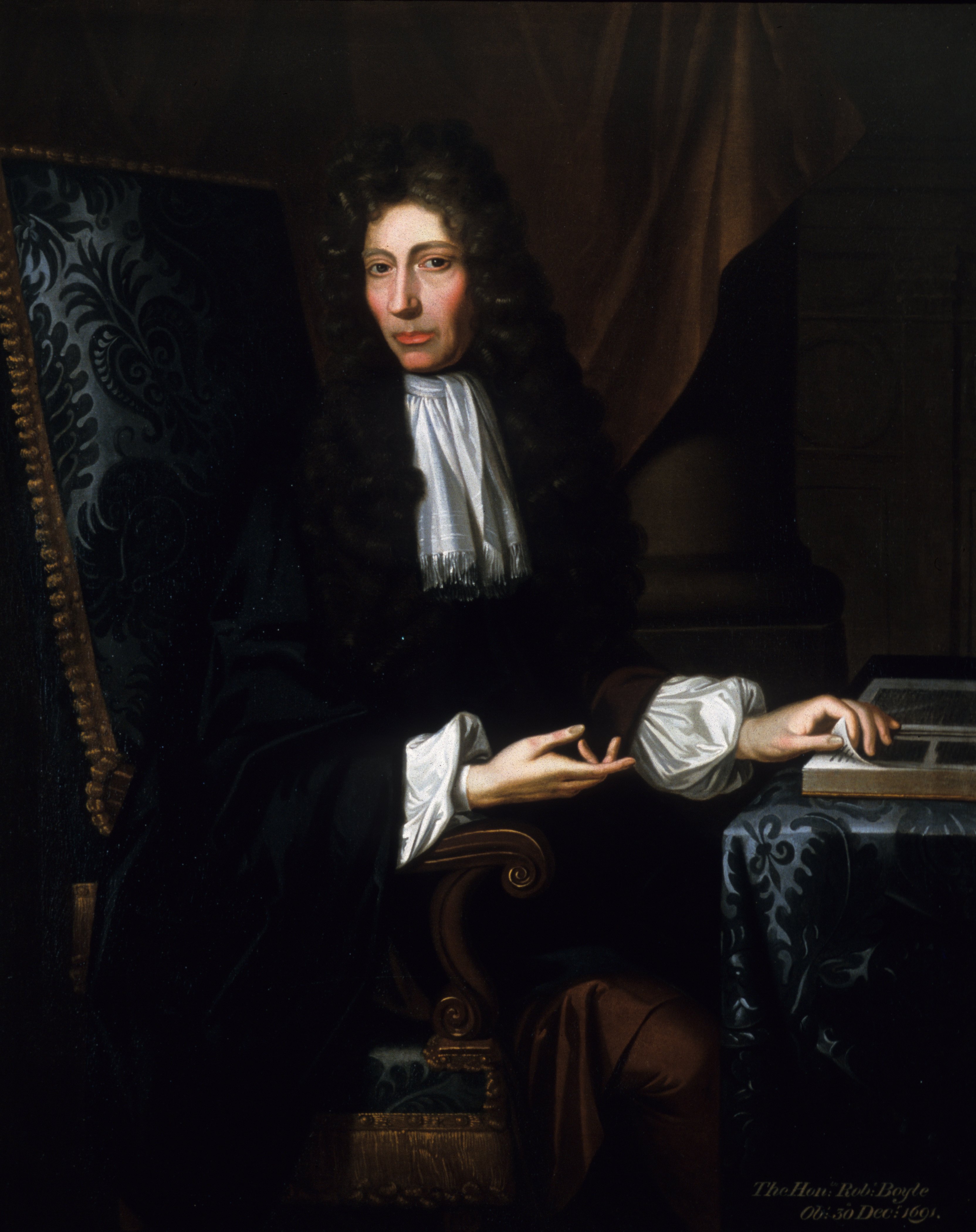
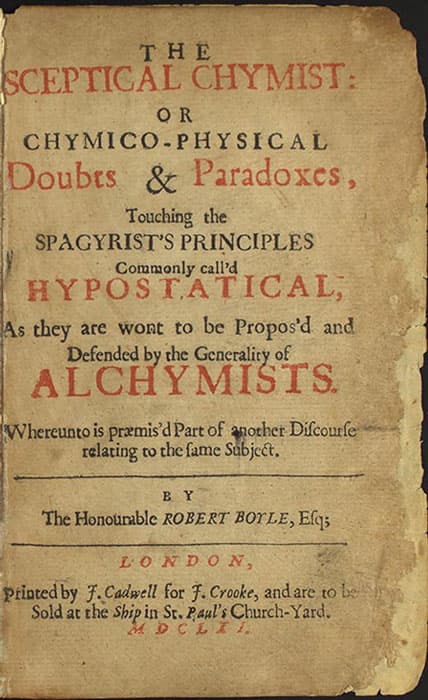
In 1664, a founder of modern chemistry turned his restless curiosity toward something we see every day: color. The result is this extraordinary treatise, one of the first serious experiments ever conducted on how light tricks our eyes. Written as a series of letters to an eager friend named Pyrophilus, Boyle methodically dismantles ancient guesses about color and replaces them with something radical: actual observation. He examines how we perceive hue, why metals change color when heated, even the psychological weight of a painted room. But beyond the specific experiments lies something larger: the birth pangs of empirical science itself, when natural philosophers began demanding proof over speculation. The prose carries a charming intimacy Boyle's later work would lose, full of hedging and hypothesis and the thrill of not yet knowing. For anyone curious about where science started, this is it. For artists and designers curious about the history of their medium, it's essential. Four centuries later, his questions still matter.
Editions
X-Ray
Link to this book
Add a free, dofollow link to Lex on your blog, forum, syllabus, or reading list.

<a href="https://lex-books.com/book/experiments-and-considerations-touching-colours-1664-7a4a2ebf-2772-4668-91f6-2389bfce9305"><img src="https://lex-books.com/badges/read-on-lex.svg" alt="Read Experiments and Considerations Touching Colours (1664) by Robert Boyle free on Lex" width="160" height="40"></a>[](https://lex-books.com/book/experiments-and-considerations-touching-colours-1664-7a4a2ebf-2772-4668-91f6-2389bfce9305)[url=https://lex-books.com/book/experiments-and-considerations-touching-colours-1664-7a4a2ebf-2772-4668-91f6-2389bfce9305][img]https://lex-books.com/badges/read-on-lex.svg[/img][/url]Read Experiments and Considerations Touching Colours (1664) by Robert Boyle free on Lex: https://lex-books.com/book/experiments-and-considerations-touching-colours-1664-7a4a2ebf-2772-4668-91f6-2389bfce9305Cite this book
Reading this edition for a paper or guide? Copy a citation.
Boyle, Robert. Experiments and Considerations Touching Colours (1664). Lex, lex-books.com/book/experiments-and-considerations-touching-colours-1664-7a4a2ebf-2772-4668-91f6-2389bfce9305.Boyle, R. (n.d.). Experiments and Considerations Touching Colours (1664). Lex. https://lex-books.com/book/experiments-and-considerations-touching-colours-1664-7a4a2ebf-2772-4668-91f6-2389bfce9305Boyle, Robert. Experiments and Considerations Touching Colours (1664). Lex. https://lex-books.com/book/experiments-and-considerations-touching-colours-1664-7a4a2ebf-2772-4668-91f6-2389bfce9305.