Epidemics of the Middle Ages
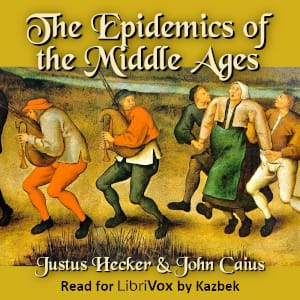
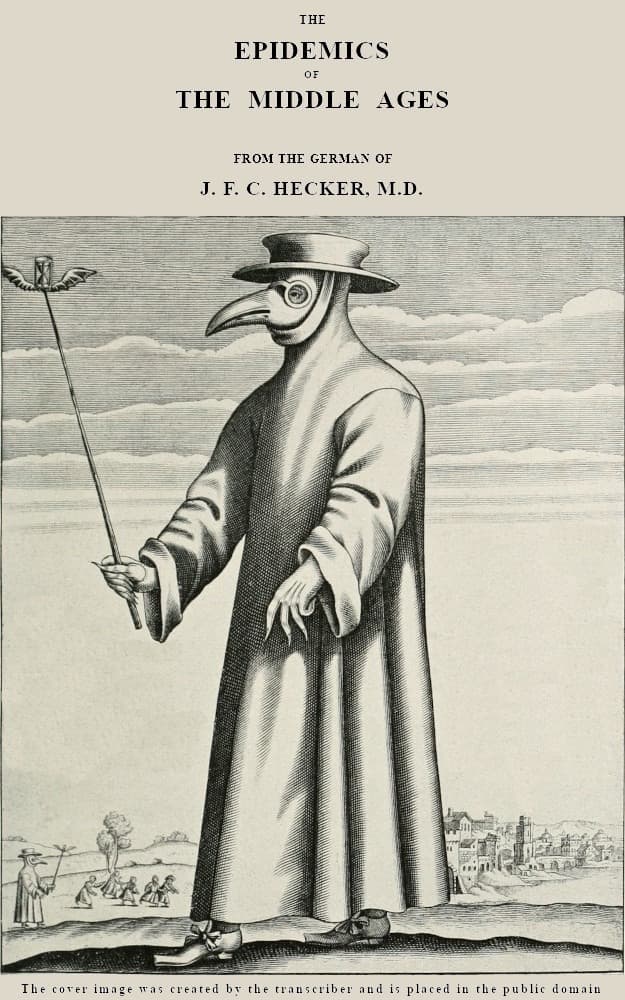
In 1347, a ship docked at the Sicilian port of Messina carrying rats teeming with Yersinia pestis. Within five years, the Black Death would kill between 75 and 200 million people, wiping out a third to a half of Europe's population. But this book is not merely an account of epidemiological catastrophe. It traces the cultural earthquake that followed: the Flagellants who scourged themselves through villages believing divine wrath demanded blood, the Jewish communities burned alive in pogroms scapegoated for the plague, the flagging feudal order that would eventually give way to something like modernity. The Dancing Mania offers something stranger still. For centuries, across Germany and the Low Countries, thousands would suddenly begin dancing and could not stop, collapse, or die until they had danced themselves to exhaustion. Was this mass psychogenic illness, ergot poisoning, religious hysteria, or something we lack words for? The Sweating Sickness, that brief and brutal English plague that could kill in hours, rounds out a study of how epidemics do far more than kill bodies: they shatter societies, warp faith, and expose the thin membrane between civilization and chaos. Originally published in the 19th century, this remains the foundational work on how plague shaped the Western imagination.
Editions

Link to this book
Add a free, dofollow link to Lex on your blog, forum, syllabus, or reading list.

<a href="https://lex-books.com/book/epidemics-of-the-middle-ages-2eaaa20e-780c-4cba-a069-12cbfadff6e4"><img src="https://lex-books.com/badges/read-on-lex.svg" alt="Read Epidemics of the Middle Ages by John Caius free on Lex" width="160" height="40"></a>[](https://lex-books.com/book/epidemics-of-the-middle-ages-2eaaa20e-780c-4cba-a069-12cbfadff6e4)[url=https://lex-books.com/book/epidemics-of-the-middle-ages-2eaaa20e-780c-4cba-a069-12cbfadff6e4][img]https://lex-books.com/badges/read-on-lex.svg[/img][/url]Read Epidemics of the Middle Ages by John Caius free on Lex: https://lex-books.com/book/epidemics-of-the-middle-ages-2eaaa20e-780c-4cba-a069-12cbfadff6e4Cite this book
Reading this edition for a paper or guide? Copy a citation.
Caius, John. Epidemics of the Middle Ages. Lex, lex-books.com/book/epidemics-of-the-middle-ages-2eaaa20e-780c-4cba-a069-12cbfadff6e4.Caius, J. (n.d.). Epidemics of the Middle Ages. Lex. https://lex-books.com/book/epidemics-of-the-middle-ages-2eaaa20e-780c-4cba-a069-12cbfadff6e4Caius, John. Epidemics of the Middle Ages. Lex. https://lex-books.com/book/epidemics-of-the-middle-ages-2eaaa20e-780c-4cba-a069-12cbfadff6e4.