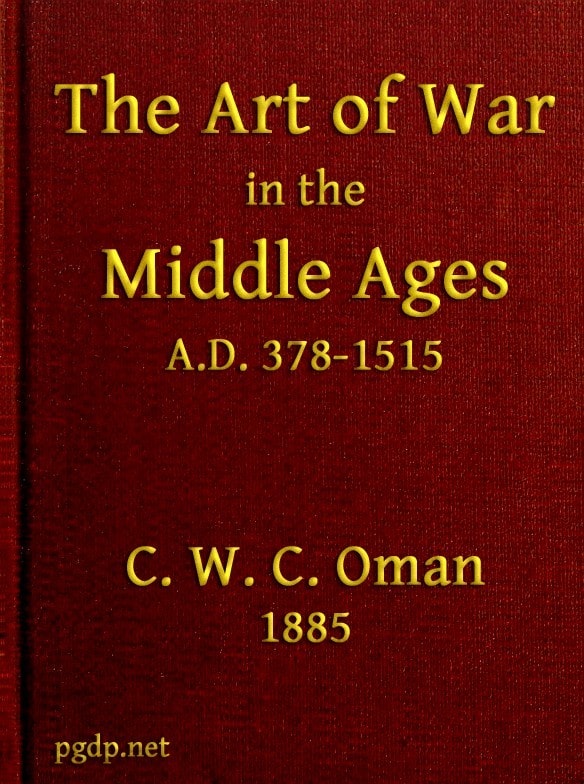
The Art of War in the Middle Ages A.d. 378-1515

The Art of War in the Middle Ages A.d. 378-1515
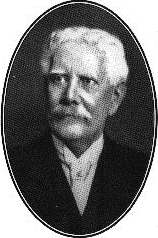
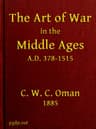
The Art of War in the Middle Ages A.D. 378-1515, written by Charles Oman in 1885, provides a comprehensive analysis of military strategies and tactics during the medieval period. The book traces the evolution of warfare from the decline of the Roman legions to the rise of feudal armies, emphasizing key battles such as the Battle of Adrianople. Oman's work remains a significant historical account, extensively revised in 1953 by John H. Beeler to include new findings, making it a valuable resource for understanding the complexities of medieval military history.
Editions
X-Ray
Roman Emperor who reorganized the military, cutting legion numbers and creating new corps. His reforms marked the transition from Roman to medieval forms of warfare.
Eastern Roman Emperor who reorganized troops after Adrianople, relying heavily on Germanic cavalry mercenaries. Established the foederati system.
Byzantine Emperor who reorganized the Eastern army, eliminating the Germanic comitatus system and creating the banda military structure that lasted 500 years.
Byzantine Emperor who wrote the Tactica, codifying Byzantine military science and strategy. His work provides detailed instructions for fighting various enemies.
About The Art of War in the Middle Ages A.d. 378-1515
Chapter Summaries
- Introduction
- Defines the Art of War as encompassing strategy, tactics, organization, and all means of increasing military efficiency. Explains how military and social history are intertwined, particularly in the feudal period.
- 1
- Chronicles the decline of Roman legions and rise of cavalry dominance after Adrianople. Constantine's reforms, the Gothic victory, and Theodosius's reliance on barbarian foederati mark the end of classical infantry supremacy.
- 2
- Covers the military development of Franks and Anglo-Saxons from infantry to cavalry dominance. Includes Charles Martel at Tours, the rise of feudalism, and the final defeat of Anglo-Danish axemen at Hastings.
Key Themes
- Military Evolution and Adaptation
- The constant adaptation of military tactics in response to new threats, from Roman legions to Byzantine themes to feudal cavalry to Swiss pikes. Each system eventually becomes obsolete when opponents develop effective counters.
- Technology vs. Tactics
- The interplay between technological innovation (stirrups, crossbows, gunpowder, plate armor) and tactical innovation (pike squares, archery formations, wagon-fortresses) in determining military supremacy.
- Social Structure and Military Organization
- How military systems reflect and reinforce social structures, from Roman citizenship armies to feudal cavalry based on land tenure to Swiss democratic militias and professional mercenary companies.
Characters
- Constantine(major)
- Roman Emperor who reorganized the military, cutting legion numbers and creating new corps. His reforms marked the transition from Roman to medieval forms of warfare.
- Theodosius(major)
- Eastern Roman Emperor who reorganized troops after Adrianople, relying heavily on Germanic cavalry mercenaries. Established the foederati system.
- Maurice(major)
- Byzantine Emperor who reorganized the Eastern army, eliminating the Germanic comitatus system and creating the banda military structure that lasted 500 years.
- Leo the Philosopher(major)
- Byzantine Emperor who wrote the Tactica, codifying Byzantine military science and strategy. His work provides detailed instructions for fighting various enemies.
- Charles Martel(major)
- Frankish leader who defeated the Saracens at Tours using defensive infantry tactics, marking an early use of combined arms.
- Charles the Great (Charlemagne)(major)
- Frankish Emperor who developed cavalry tactics and required nobles to serve mounted. His capitularies show the transition from infantry to cavalry dominance.
Link to this book
Add a free, dofollow link to Lex on your blog, forum, syllabus, or reading list.

<a href="https://lex-books.com/book/the-art-of-war-in-the-middle-ages-a-d-378-1515-00ab5305-c5d7-4432-94fd-16547efab25b"><img src="https://lex-books.com/badges/read-on-lex.svg" alt="Read The Art of War in the Middle Ages A.d. 378-1515 by Charles Oman free on Lex" width="160" height="40"></a>[](https://lex-books.com/book/the-art-of-war-in-the-middle-ages-a-d-378-1515-00ab5305-c5d7-4432-94fd-16547efab25b)[url=https://lex-books.com/book/the-art-of-war-in-the-middle-ages-a-d-378-1515-00ab5305-c5d7-4432-94fd-16547efab25b][img]https://lex-books.com/badges/read-on-lex.svg[/img][/url]Read The Art of War in the Middle Ages A.d. 378-1515 by Charles Oman free on Lex: https://lex-books.com/book/the-art-of-war-in-the-middle-ages-a-d-378-1515-00ab5305-c5d7-4432-94fd-16547efab25bCite this book
Reading this edition for a paper or guide? Copy a citation.
Oman, Charles. The Art of War in the Middle Ages A.d. 378-1515. Lex, lex-books.com/book/the-art-of-war-in-the-middle-ages-a-d-378-1515-00ab5305-c5d7-4432-94fd-16547efab25b.Oman, C. (n.d.). The Art of War in the Middle Ages A.d. 378-1515. Lex. https://lex-books.com/book/the-art-of-war-in-the-middle-ages-a-d-378-1515-00ab5305-c5d7-4432-94fd-16547efab25bOman, Charles. The Art of War in the Middle Ages A.d. 378-1515. Lex. https://lex-books.com/book/the-art-of-war-in-the-middle-ages-a-d-378-1515-00ab5305-c5d7-4432-94fd-16547efab25b.