Enquiry Concerning Political Justice and its Influence on Morals and Happiness. Volume 1

Enquiry Concerning Political Justice and its Influence on Morals and Happiness. Volume 1
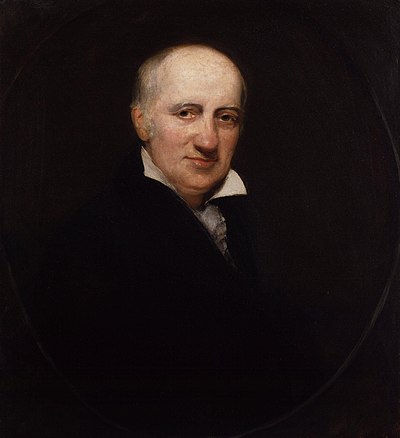
In 1793, a retiring English philosopher published a two-volume work that would birth modern political anarchism. William Godwin's Enquiry Concerning Political Justice argues something radical: government itself is the problem. Not corrupt government, not tyrannical government, all government. Drawing on Enlightenment rationalism, Godwin contends that human beings, guided by reason and conscience, require no external authority to behave justly. Laws, he argues, are not wisdom preserved but passion codified: the fears, jealousies, and ambitions of those who made them. They restrain rather than liberate. Godwin systematically dismantles the foundations of political authority, monarchy, aristocracy, representative democracy, property, even marriage, arguing each reinforces human dependence and prevents moral perfectibility. He anticipates later utilitarian and socialist critiques of property while insisting that institutional reform is pointless; only the radical cultivation of individual reason can transform society. This visionary, often impractical work influenced Bentham, the utilitarians, Shelley, and generations of radical thinkers. It remains essential reading for anyone interested in the genealogy of anarchist thought or the revolutionary roots of modern political philosophy.
Editions

Read by
Group Narration
8 readers
KevinS, Tina Ding, Michele Fry, William Allan Jones +4 more
Link to this book
Add a free, dofollow link to Lex on your blog, forum, syllabus, or reading list.

<a href="https://lex-books.com/book/enquiry-concerning-political-justice-and-its-influence-on-morals-and-happiness-v-6ba7b245-ae3a-4d87-83d1-0e0254b88ed5"><img src="https://lex-books.com/badges/read-on-lex.svg" alt="Read Enquiry Concerning Political Justice and its Influence on Morals and Happiness. Volume 1 by William Godwin free on Lex" width="160" height="40"></a>[](https://lex-books.com/book/enquiry-concerning-political-justice-and-its-influence-on-morals-and-happiness-v-6ba7b245-ae3a-4d87-83d1-0e0254b88ed5)[url=https://lex-books.com/book/enquiry-concerning-political-justice-and-its-influence-on-morals-and-happiness-v-6ba7b245-ae3a-4d87-83d1-0e0254b88ed5][img]https://lex-books.com/badges/read-on-lex.svg[/img][/url]Read Enquiry Concerning Political Justice and its Influence on Morals and Happiness. Volume 1 by William Godwin free on Lex: https://lex-books.com/book/enquiry-concerning-political-justice-and-its-influence-on-morals-and-happiness-v-6ba7b245-ae3a-4d87-83d1-0e0254b88ed5Cite this book
Reading this edition for a paper or guide? Copy a citation.
Godwin, William. Enquiry Concerning Political Justice and its Influence on Morals and Happiness. Volume 1. Lex, lex-books.com/book/enquiry-concerning-political-justice-and-its-influence-on-morals-and-happiness-v-6ba7b245-ae3a-4d87-83d1-0e0254b88ed5.Godwin, W. (n.d.). Enquiry Concerning Political Justice and its Influence on Morals and Happiness. Volume 1. Lex. https://lex-books.com/book/enquiry-concerning-political-justice-and-its-influence-on-morals-and-happiness-v-6ba7b245-ae3a-4d87-83d1-0e0254b88ed5Godwin, William. Enquiry Concerning Political Justice and its Influence on Morals and Happiness. Volume 1. Lex. https://lex-books.com/book/enquiry-concerning-political-justice-and-its-influence-on-morals-and-happiness-v-6ba7b245-ae3a-4d87-83d1-0e0254b88ed5.