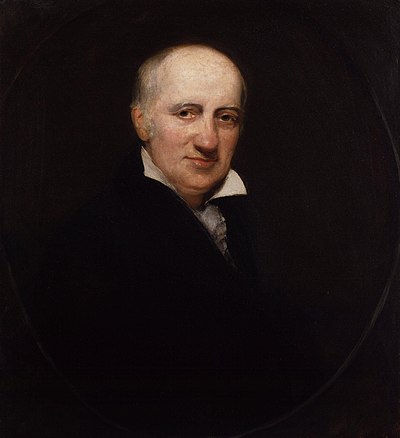
Four Early Pamphlets
1977
In the turbulent aftermath of the American Revolution, one of England's most radical minds turns his attention to the messy reality of coalition politics. William Godwin's four early pamphlets, written in 1782, capture a young philosopher defending the Rockingham party's controversial alliance with Lord North against accusations of betrayal and corruption. What emerges is not mere partisan defense but a rigorous examination of political integrity, virtue, and the impossible compromises required of governance during crisis. Godwin argues that true political virtue lies not in rigid consistency but in the capacity to adapt reasoning to circumstance, even when the nation watches with suspicion. These pamphlets reveal the intellectual foundations of the man who would later write Political Justice: a mind that believed reason, applied honestly, could resolve even the most tangled political dilemmas. For readers interested in the roots of radical political thought, or in understanding how Enlightenment philosophy grappled with the gap between ideal principle and messy practice, these writings offer a window into a pivotal historical moment when Britain's political class was forced to reckon with the consequences of imperial failure.
Editions
Link to this book
Add a free, dofollow link to Lex on your blog, forum, syllabus, or reading list.

<a href="https://lex-books.com/book/four-early-pamphlets-095b4842-861a-48cb-93e1-0336e396f343"><img src="https://lex-books.com/badges/read-on-lex.svg" alt="Read Four Early Pamphlets by William Godwin free on Lex" width="160" height="40"></a>[](https://lex-books.com/book/four-early-pamphlets-095b4842-861a-48cb-93e1-0336e396f343)[url=https://lex-books.com/book/four-early-pamphlets-095b4842-861a-48cb-93e1-0336e396f343][img]https://lex-books.com/badges/read-on-lex.svg[/img][/url]Read Four Early Pamphlets by William Godwin free on Lex: https://lex-books.com/book/four-early-pamphlets-095b4842-861a-48cb-93e1-0336e396f343Cite this book
Reading this edition for a paper or guide? Copy a citation.
Godwin, William. Four Early Pamphlets. Lex, lex-books.com/book/four-early-pamphlets-095b4842-861a-48cb-93e1-0336e396f343.Godwin, W. (1977). Four Early Pamphlets. Lex. https://lex-books.com/book/four-early-pamphlets-095b4842-861a-48cb-93e1-0336e396f343Godwin, William. Four Early Pamphlets. Lex. https://lex-books.com/book/four-early-pamphlets-095b4842-861a-48cb-93e1-0336e396f343.