English Spelling and Spelling Reform
1909
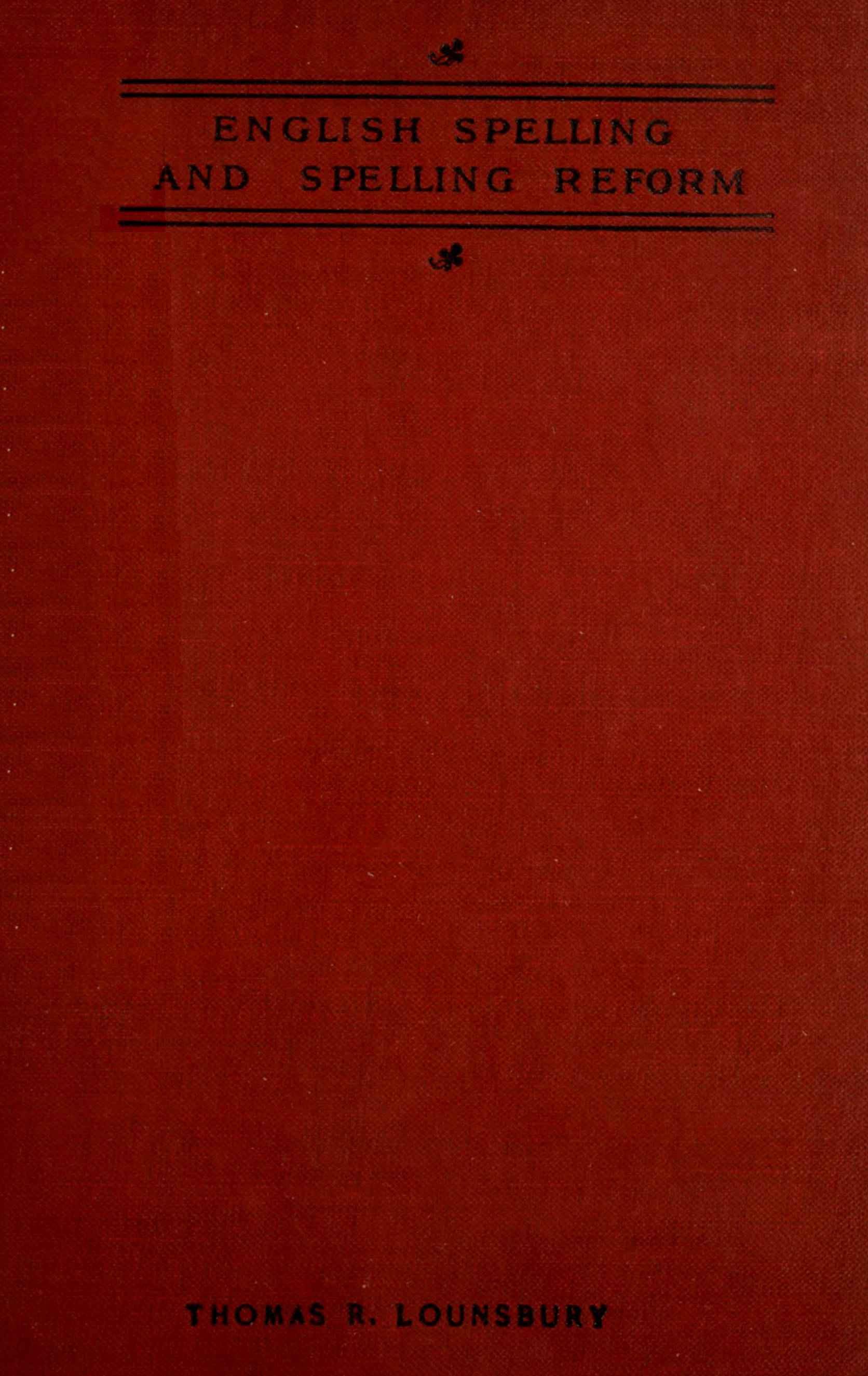
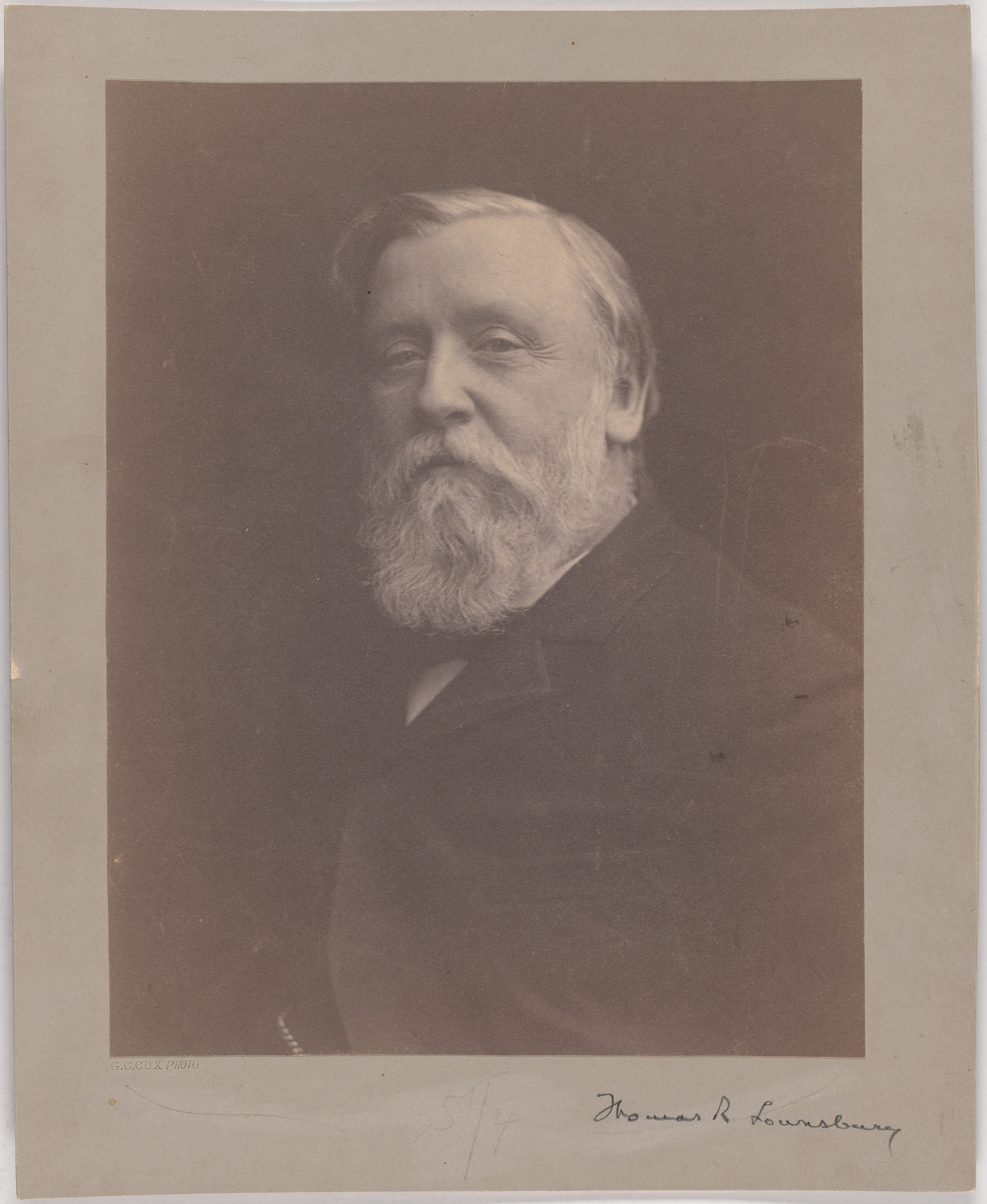
Every English speaker has felt it: that moment of confusion when a child asks why 'rough' isn't spelled 'ruff' or why 'colonel' sounds nothing like it looks. Thomas Raynesford Lounsbury's 1909 treatise captures that universal frustration and transforms it into a rigorous scholarly argument. He traces the chaotic evolution of English orthography, showing how centuries of borrowed words, silent letters, and phonetic drift created a system that baffles learners and frustrates scholars alike. The book gained particular urgency when a 1906 presidential order sparked a brief attempt at spelling reform, prompting Lounsbury to mount a forceful defense against critics who clung to tradition. His analysis reveals not just the linguistic inconsistencies but the deep emotional attachment Americans have to how words 'look right' - even when they make no logical sense. More than a historical document, this book illuminates why spelling reform remains impossible: we don't just spell words, we identify with them.
Editions
Link to this book
Add a free, dofollow link to Lex on your blog, forum, syllabus, or reading list.

<a href="https://lex-books.com/book/english-spelling-and-spelling-reform-540aa9ff-4315-44fe-832f-884704631d16"><img src="https://lex-books.com/badges/read-on-lex.svg" alt="Read English Spelling and Spelling Reform by Thomas Raynesford Lounsbury free on Lex" width="160" height="40"></a>[](https://lex-books.com/book/english-spelling-and-spelling-reform-540aa9ff-4315-44fe-832f-884704631d16)[url=https://lex-books.com/book/english-spelling-and-spelling-reform-540aa9ff-4315-44fe-832f-884704631d16][img]https://lex-books.com/badges/read-on-lex.svg[/img][/url]Read English Spelling and Spelling Reform by Thomas Raynesford Lounsbury free on Lex: https://lex-books.com/book/english-spelling-and-spelling-reform-540aa9ff-4315-44fe-832f-884704631d16Cite this book
Reading this edition for a paper or guide? Copy a citation.
Lounsbury, Thomas Raynesford. English Spelling and Spelling Reform. Lex, lex-books.com/book/english-spelling-and-spelling-reform-540aa9ff-4315-44fe-832f-884704631d16.Lounsbury, T. R. (1909). English Spelling and Spelling Reform. Lex. https://lex-books.com/book/english-spelling-and-spelling-reform-540aa9ff-4315-44fe-832f-884704631d16Lounsbury, Thomas Raynesford. English Spelling and Spelling Reform. Lex. https://lex-books.com/book/english-spelling-and-spelling-reform-540aa9ff-4315-44fe-832f-884704631d16.