Egalité Des Hommes Et Des Femmes: A La Reyne
1622
Egalité Des Hommes Et Des Femmes: A La Reyne
1622
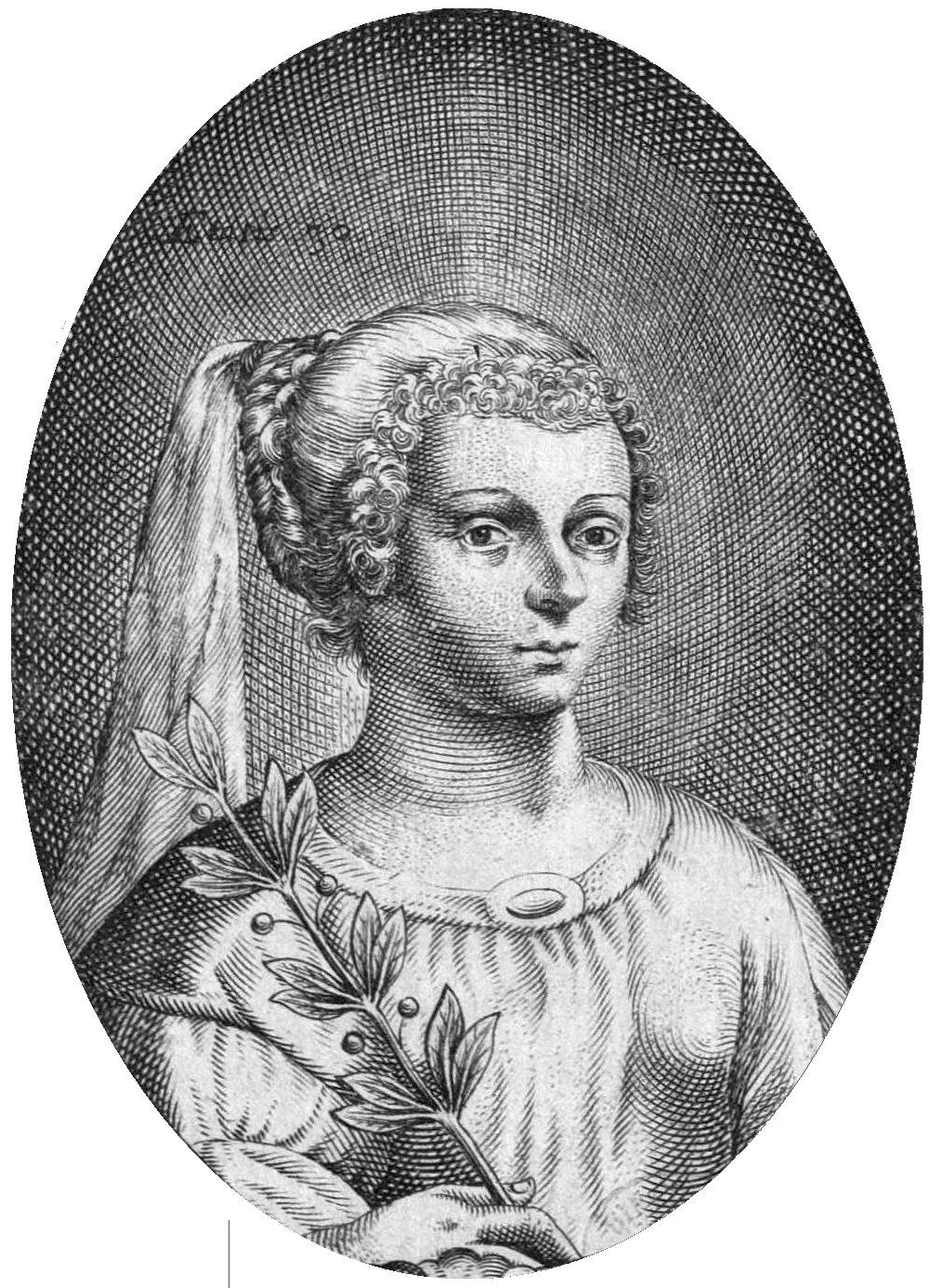
In 1622, a woman stood before the French monarchy and dared to argue that women were the intellectual equals of men. Marie Le Jars de Gournay, nicknamed "the daughter of Montaigne" and the only woman admitted to the literary circles of pre-Revolutionary France, composed this treatise as a direct assault on the prevailing belief that female inferiority was natural, God-ordained, and unchangeable. She marshals ancient philosophy, scripture, and historical evidence to demolish each claim used to justify women's exclusion from education and public life. The result is not merely an argument for equality but a dangerous proposition: that society had been built on a fundamental error, and that both men and women suffered for it. This is early feminism at its most radical, written in an era when such ideas could cost a woman everything. The treatise endures because Gournay's logic remains devastating, her passion unmistakable, and her courage almost incomprehensible given her time.
Editions
Link to this book
Add a free, dofollow link to Lex on your blog, forum, syllabus, or reading list.

<a href="https://lex-books.com/book/egalit-des-hommes-et-des-femmes-a-la-reyne-221695cb-17ce-4585-af47-b38b624f2758"><img src="https://lex-books.com/badges/read-on-lex.svg" alt="Read Egalité Des Hommes Et Des Femmes: A La Reyne by Marie Le Jars de Gournay free on Lex" width="160" height="40"></a>[](https://lex-books.com/book/egalit-des-hommes-et-des-femmes-a-la-reyne-221695cb-17ce-4585-af47-b38b624f2758)[url=https://lex-books.com/book/egalit-des-hommes-et-des-femmes-a-la-reyne-221695cb-17ce-4585-af47-b38b624f2758][img]https://lex-books.com/badges/read-on-lex.svg[/img][/url]Read Egalité Des Hommes Et Des Femmes: A La Reyne by Marie Le Jars de Gournay free on Lex: https://lex-books.com/book/egalit-des-hommes-et-des-femmes-a-la-reyne-221695cb-17ce-4585-af47-b38b624f2758Cite this book
Reading this edition for a paper or guide? Copy a citation.
Gournay, Marie Le Jars de. Egalité Des Hommes Et Des Femmes: A La Reyne. Lex, lex-books.com/book/egalit-des-hommes-et-des-femmes-a-la-reyne-221695cb-17ce-4585-af47-b38b624f2758.Gournay, M. L. J. D. (1622). Egalité Des Hommes Et Des Femmes: A La Reyne. Lex. https://lex-books.com/book/egalit-des-hommes-et-des-femmes-a-la-reyne-221695cb-17ce-4585-af47-b38b624f2758Gournay, Marie Le Jars de. Egalité Des Hommes Et Des Femmes: A La Reyne. Lex. https://lex-books.com/book/egalit-des-hommes-et-des-femmes-a-la-reyne-221695cb-17ce-4585-af47-b38b624f2758.