Edgewater People
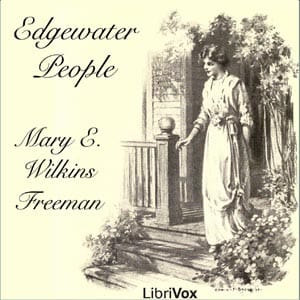
In the villages clustered along the rivers of turn-of-the-century New England, Mary Eleanor Wilkins Freeman found the raw material for quiet devastation. These interconnected stories expose the grinding pressure of small-town life: the neighbor who watches too closely, the marriage that silences a woman's voice, the poverty that wears away dignity grain by grain. Freeman's precision is surgical. In a single gesture or unspoken moment, she captures what hundreds of pages of melodrama cannot: the particular loneliness of lives constrained by expectation, the way community can both sustain and strangle. The people of Edgewater are not dramatic figures, but their quiet struggles for autonomy and meaning feel urgent across a century of distance. Freeman wrote these stories at a time when women's fiction was dismissed as 'soft,' yet she delivered something harder than most 'serious' literature of her era: clear-eyed honesty about how people actually live, suffer, and occasionally transcend the limits placed upon them. For readers who cherish Chekhov or James, these stories offer another masterclass in the radical ordinary.
Editions

Link to this book
Add a free, dofollow link to Lex on your blog, forum, syllabus, or reading list.

<a href="https://lex-books.com/book/edgewater-people-58f1ad39-9afd-4eb2-9363-e91cf48e76f3"><img src="https://lex-books.com/badges/read-on-lex.svg" alt="Read Edgewater People by Mary Eleanor Wilkins Freeman free on Lex" width="160" height="40"></a>[](https://lex-books.com/book/edgewater-people-58f1ad39-9afd-4eb2-9363-e91cf48e76f3)[url=https://lex-books.com/book/edgewater-people-58f1ad39-9afd-4eb2-9363-e91cf48e76f3][img]https://lex-books.com/badges/read-on-lex.svg[/img][/url]Read Edgewater People by Mary Eleanor Wilkins Freeman free on Lex: https://lex-books.com/book/edgewater-people-58f1ad39-9afd-4eb2-9363-e91cf48e76f3Cite this book
Reading this edition for a paper or guide? Copy a citation.
Freeman, Mary Eleanor Wilkins. Edgewater People. Lex, lex-books.com/book/edgewater-people-58f1ad39-9afd-4eb2-9363-e91cf48e76f3.Freeman, M. E. W. (n.d.). Edgewater People. Lex. https://lex-books.com/book/edgewater-people-58f1ad39-9afd-4eb2-9363-e91cf48e76f3Freeman, Mary Eleanor Wilkins. Edgewater People. Lex. https://lex-books.com/book/edgewater-people-58f1ad39-9afd-4eb2-9363-e91cf48e76f3.

![Night Watches [complete]](/_next/image?url=https%3A%2F%2Fd3b2n8gj62qnwr.cloudfront.net%2FCOVERS%2Fgutenberg_covers75k%2Febook-12161.png&w=3840&q=75)