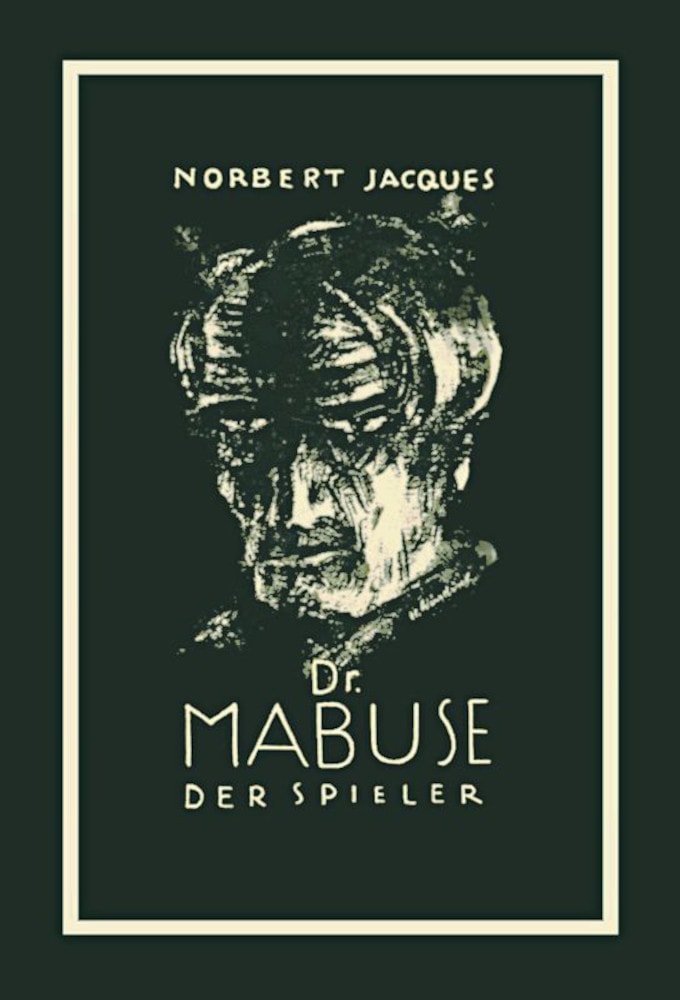
Dr. Mabuse, Der Spieler: Roman
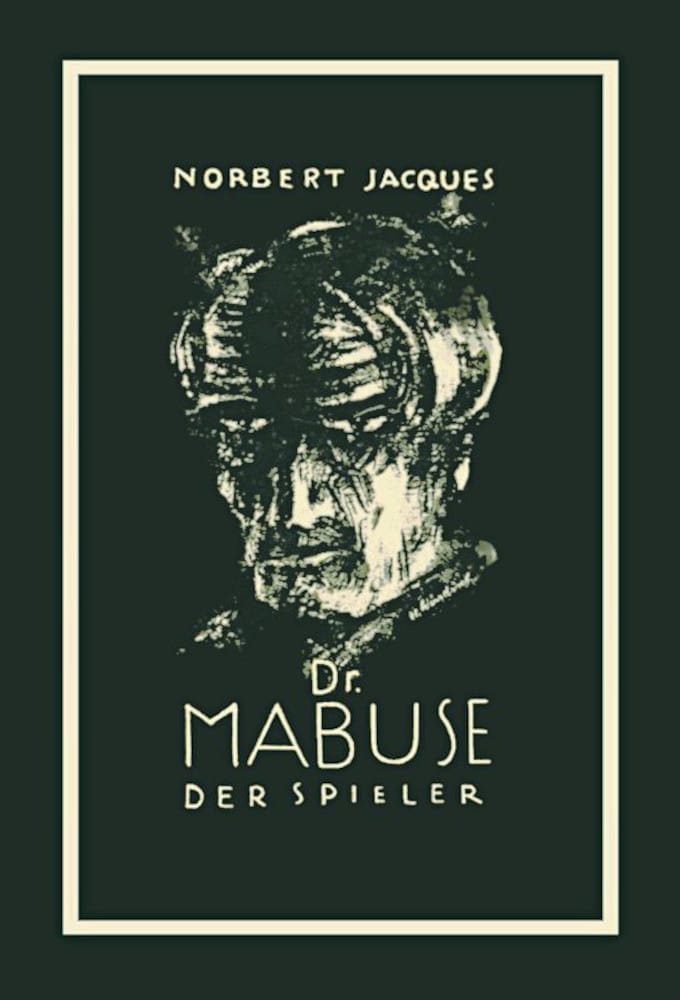
He appears at the gaming table like a phantom an elderly man in elegant clothes, his eyes fixing on his opponent with an intensity that feels less like scrutiny and more like possession. So begins the legend of Dr. Mabuse, the master hypnotist and card shark whose gaze can bend a man's will like light through glass. When young Hull sits down to play, he doesn't know that the evening will strip him of his fortune, his composure, and perhaps his very sense of self. Mabuse wins not through luck but through supernatural concentration, a telepathic hold over men that makes their hands play the cards he dictates. The novel follows this villain as he schemes to build Citopomar, a criminal empire in Brazil where he might rule as a god, returning to Europe to fund his ambition through any deception necessary. Written in the febrile atmosphere of the Weimar Republic, between the wars that shattered German society, Mabuse became something far more than a criminal character. He embodied the era's anxieties about hidden forces, mass manipulation, and the collapse of rational order. Fritz Lang saw the allegorical power immediately and built his cinema empire on this foundation. The parallels to darker political forces were so explicit that Goebbels banned the films. This is the novel that birthed a century of super-villains, from Lang's cinema to Fleming's Le Chiffre, and it remains terrifying precisely because its hero offers no resistance, no heroic struggle against evil only the slow, hypnotic surrender of a man who knows he is being destroyed and cannot look away.
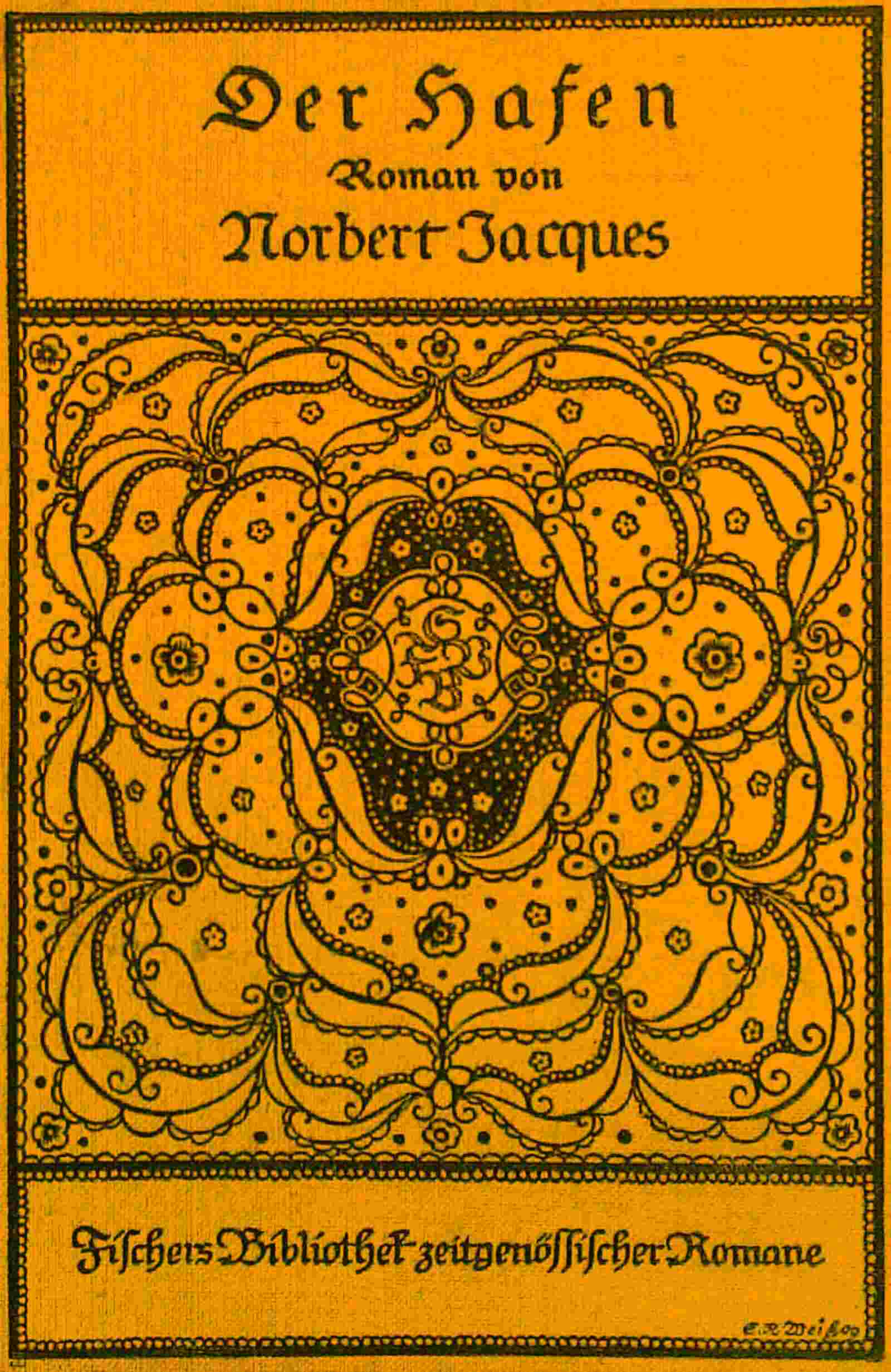
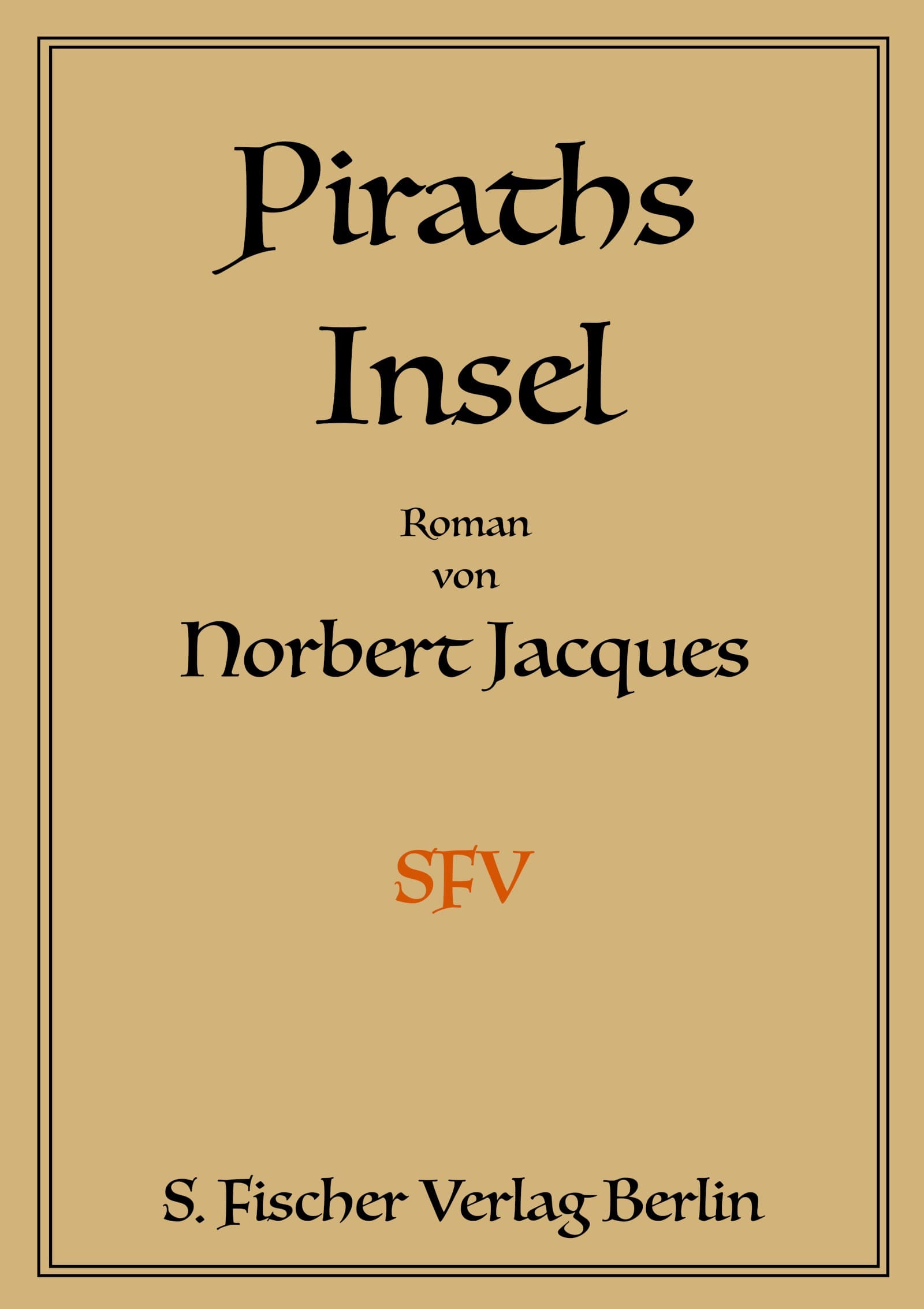
Editions
X-Ray
“He was in conflict with himself. There was no enjoyment in the thought that he had escaped a great danger, and in the midst of his uneasy reflections he had a sudden breathless conviction that she made him feel old because he loved her. Then he felt a hatred of himself, gathering into one mighty heap all the fierce and bitter hatred he had cherished for others and pouring it out on himself.””
— Norbert Jacques
Link to this book
Add a free, dofollow link to Lex on your blog, forum, syllabus, or reading list.

<a href="https://lex-books.com/book/dr-mabuse-der-spieler-roman-be1569d2-12d0-4c3b-b92a-815b3907ce25"><img src="https://lex-books.com/badges/read-on-lex.svg" alt="Read Dr. Mabuse, Der Spieler: Roman by Norbert Jacques free on Lex" width="160" height="40"></a>[](https://lex-books.com/book/dr-mabuse-der-spieler-roman-be1569d2-12d0-4c3b-b92a-815b3907ce25)[url=https://lex-books.com/book/dr-mabuse-der-spieler-roman-be1569d2-12d0-4c3b-b92a-815b3907ce25][img]https://lex-books.com/badges/read-on-lex.svg[/img][/url]Read Dr. Mabuse, Der Spieler: Roman by Norbert Jacques free on Lex: https://lex-books.com/book/dr-mabuse-der-spieler-roman-be1569d2-12d0-4c3b-b92a-815b3907ce25Cite this book
Reading this edition for a paper or guide? Copy a citation.
Jacques, Norbert. Dr. Mabuse, Der Spieler: Roman. Lex, lex-books.com/book/dr-mabuse-der-spieler-roman-be1569d2-12d0-4c3b-b92a-815b3907ce25.Jacques, N. (n.d.). Dr. Mabuse, Der Spieler: Roman. Lex. https://lex-books.com/book/dr-mabuse-der-spieler-roman-be1569d2-12d0-4c3b-b92a-815b3907ce25Jacques, Norbert. Dr. Mabuse, Der Spieler: Roman. Lex. https://lex-books.com/book/dr-mabuse-der-spieler-roman-be1569d2-12d0-4c3b-b92a-815b3907ce25.