Discours sur l’origine et les fondements de l’inégalité parmi les hommes

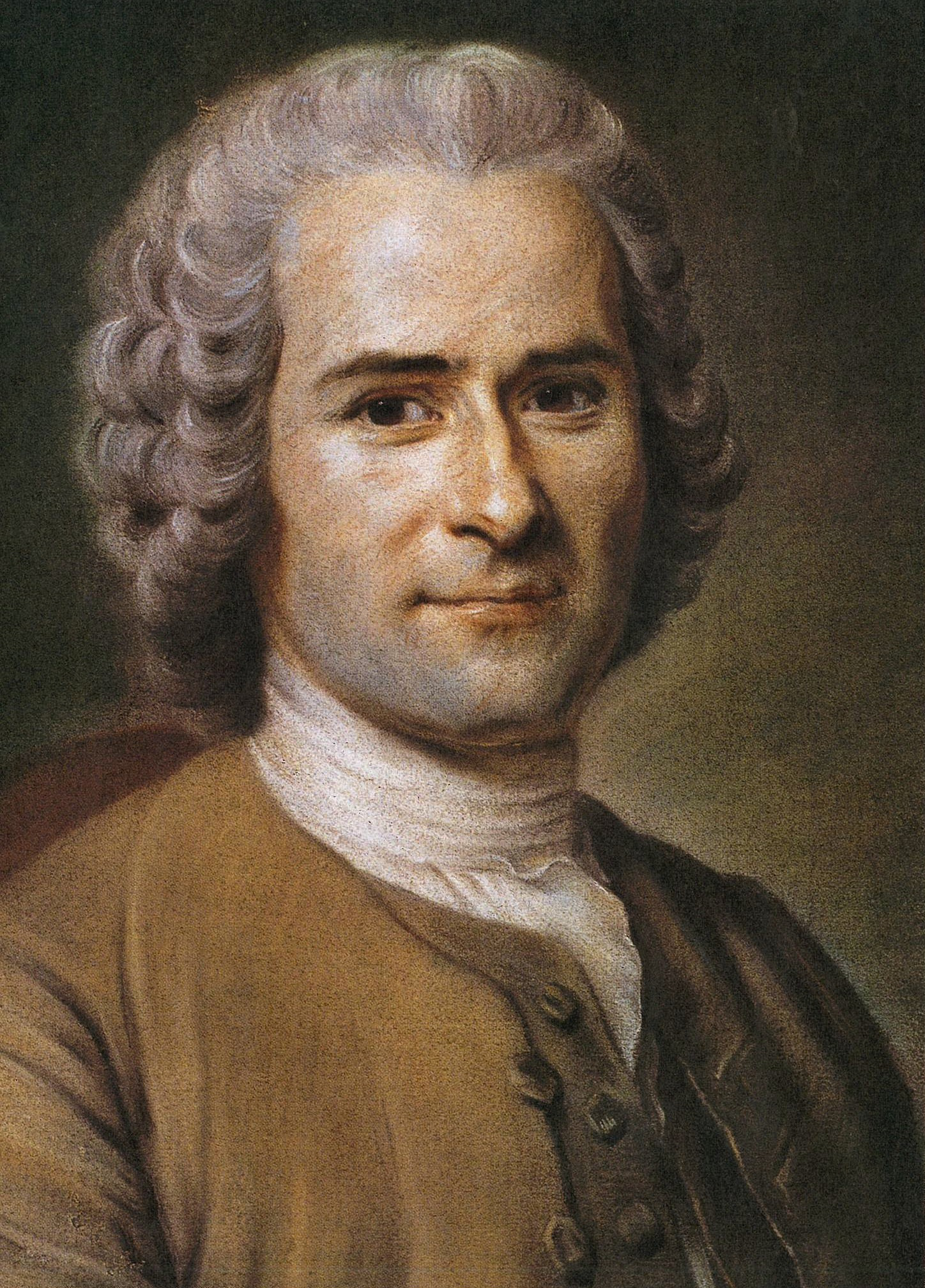
Rousseau detonates one of the Enlightenment's most cherished illusions: that civilization represents progress. In this incendiary discourse, written for a prize competition in 1754, he argues that humans were born free and equal in a state of nature, and that inequality is not natural but invented, sculpted by property, society, and the gradual corruption of human goodness. Natural man, he claims, was solitary, compassionate, and free from vanity and comparison. Civilized man is haunted by self-consciousness, driven by unending desires, and trapped in hierarchies of wealth and status that benefit the few at the expense of the many. Rousseau's prose coils with a fierce moral urgency as he indicts the very foundations of modern society, anticipating revolutions to come. The text remains essential reading for anyone who has ever wondered whether our hierarchies are inevitable or whether they might be otherwise.
Editions

Link to this book
Add a free, dofollow link to Lex on your blog, forum, syllabus, or reading list.

<a href="https://lex-books.com/book/discours-sur-l-origine-et-les-fondements-de-l-in-galit-parmi-les-hommes-63591f0f-4f73-4ce4-a26d-218335890a77"><img src="https://lex-books.com/badges/read-on-lex.svg" alt="Read Discours sur l’origine et les fondements de l’inégalité parmi les hommes by Jean-Jacques Rousseau free on Lex" width="160" height="40"></a>[](https://lex-books.com/book/discours-sur-l-origine-et-les-fondements-de-l-in-galit-parmi-les-hommes-63591f0f-4f73-4ce4-a26d-218335890a77)[url=https://lex-books.com/book/discours-sur-l-origine-et-les-fondements-de-l-in-galit-parmi-les-hommes-63591f0f-4f73-4ce4-a26d-218335890a77][img]https://lex-books.com/badges/read-on-lex.svg[/img][/url]Read Discours sur l’origine et les fondements de l’inégalité parmi les hommes by Jean-Jacques Rousseau free on Lex: https://lex-books.com/book/discours-sur-l-origine-et-les-fondements-de-l-in-galit-parmi-les-hommes-63591f0f-4f73-4ce4-a26d-218335890a77Cite this book
Reading this edition for a paper or guide? Copy a citation.
Rousseau, Jean-Jacques. Discours sur l’origine et les fondements de l’inégalité parmi les hommes. Lex, lex-books.com/book/discours-sur-l-origine-et-les-fondements-de-l-in-galit-parmi-les-hommes-63591f0f-4f73-4ce4-a26d-218335890a77.Rousseau, J. (n.d.). Discours sur l’origine et les fondements de l’inégalité parmi les hommes. Lex. https://lex-books.com/book/discours-sur-l-origine-et-les-fondements-de-l-in-galit-parmi-les-hommes-63591f0f-4f73-4ce4-a26d-218335890a77Rousseau, Jean-Jacques. Discours sur l’origine et les fondements de l’inégalité parmi les hommes. Lex. https://lex-books.com/book/discours-sur-l-origine-et-les-fondements-de-l-in-galit-parmi-les-hommes-63591f0f-4f73-4ce4-a26d-218335890a77.