Curious Punishments of Bygone Days
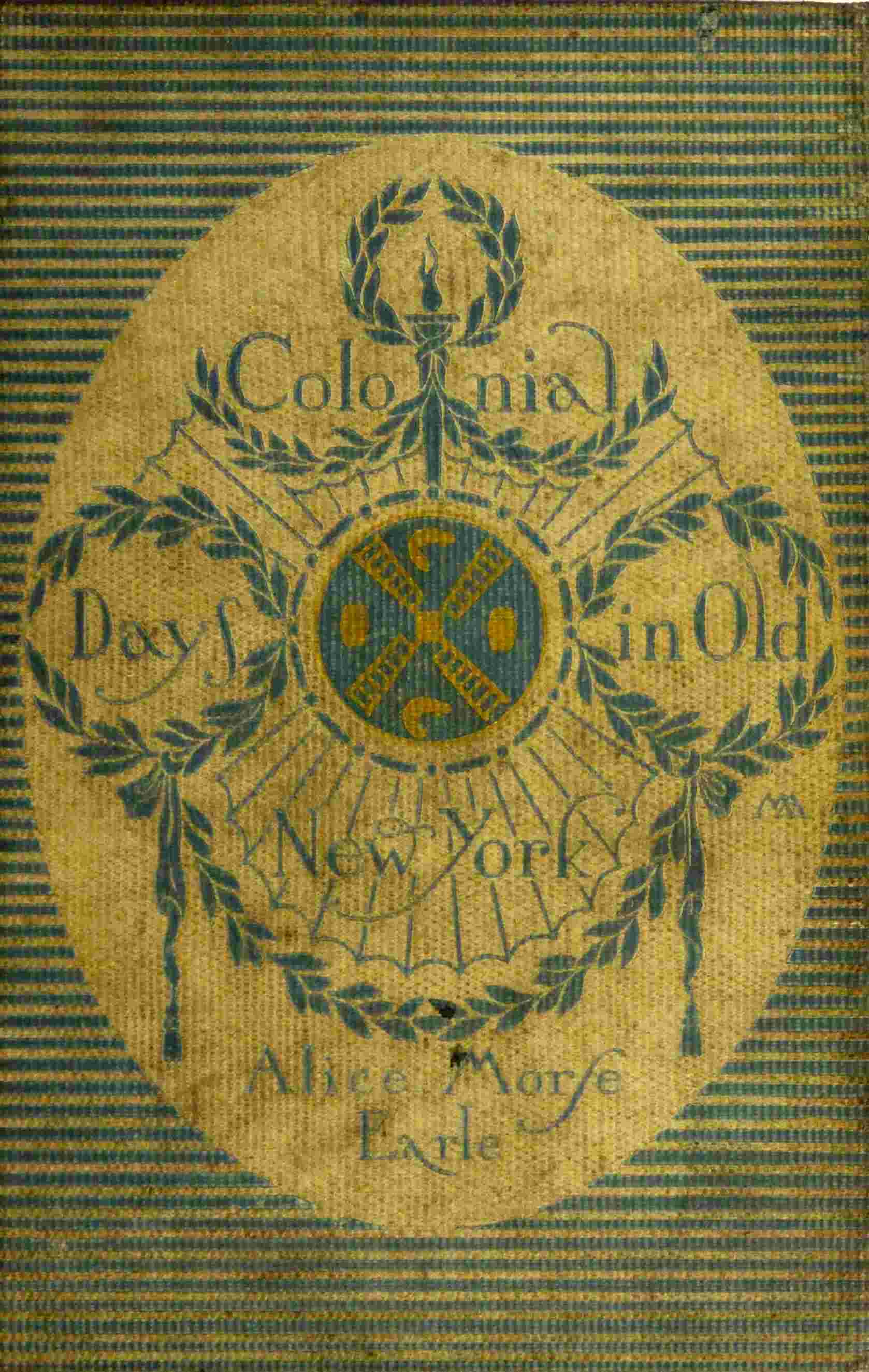
In colonial America, punishment was never just about justice. It was theater, civic ritual, and communal catharsis all at once. Alice Morse Earle, the great social historian of turn-of-the-century America, ransacked court records, diaries, and newspapers to document a world where offenders were nailed to wooden frames, ducked in icy rivers, and forced to wear letters announcing their shame to the world. The bilboes, the stocks, the pillory, the ducking stool, the whipping-post, the scarlet letter, the branks: these were not merely instruments of pain but instruments of community. They reminded every witness of the price of transgression. Earle writes with Victorian curiosity and precision, cataloguing offenses that seem absurd by modern standards (a woman sentenced to death for stealing a cloak) alongside brutal corporal punishments that seem unfathomable. This is social history at its most evocative: a window into a society that believed, truly believed, that the body of the criminal belonged to the public.
Editions
Link to this book
Add a free, dofollow link to Lex on your blog, forum, syllabus, or reading list.

<a href="https://lex-books.com/book/curious-punishments-of-bygone-days-4f1ff306-93be-42d9-bc8b-8c25deea0530"><img src="https://lex-books.com/badges/read-on-lex.svg" alt="Read Curious Punishments of Bygone Days by Alice Morse Earle free on Lex" width="160" height="40"></a>[](https://lex-books.com/book/curious-punishments-of-bygone-days-4f1ff306-93be-42d9-bc8b-8c25deea0530)[url=https://lex-books.com/book/curious-punishments-of-bygone-days-4f1ff306-93be-42d9-bc8b-8c25deea0530][img]https://lex-books.com/badges/read-on-lex.svg[/img][/url]Read Curious Punishments of Bygone Days by Alice Morse Earle free on Lex: https://lex-books.com/book/curious-punishments-of-bygone-days-4f1ff306-93be-42d9-bc8b-8c25deea0530Cite this book
Reading this edition for a paper or guide? Copy a citation.
Earle, Alice Morse. Curious Punishments of Bygone Days. Lex, lex-books.com/book/curious-punishments-of-bygone-days-4f1ff306-93be-42d9-bc8b-8c25deea0530.Earle, A. M. (n.d.). Curious Punishments of Bygone Days. Lex. https://lex-books.com/book/curious-punishments-of-bygone-days-4f1ff306-93be-42d9-bc8b-8c25deea0530Earle, Alice Morse. Curious Punishments of Bygone Days. Lex. https://lex-books.com/book/curious-punishments-of-bygone-days-4f1ff306-93be-42d9-bc8b-8c25deea0530.