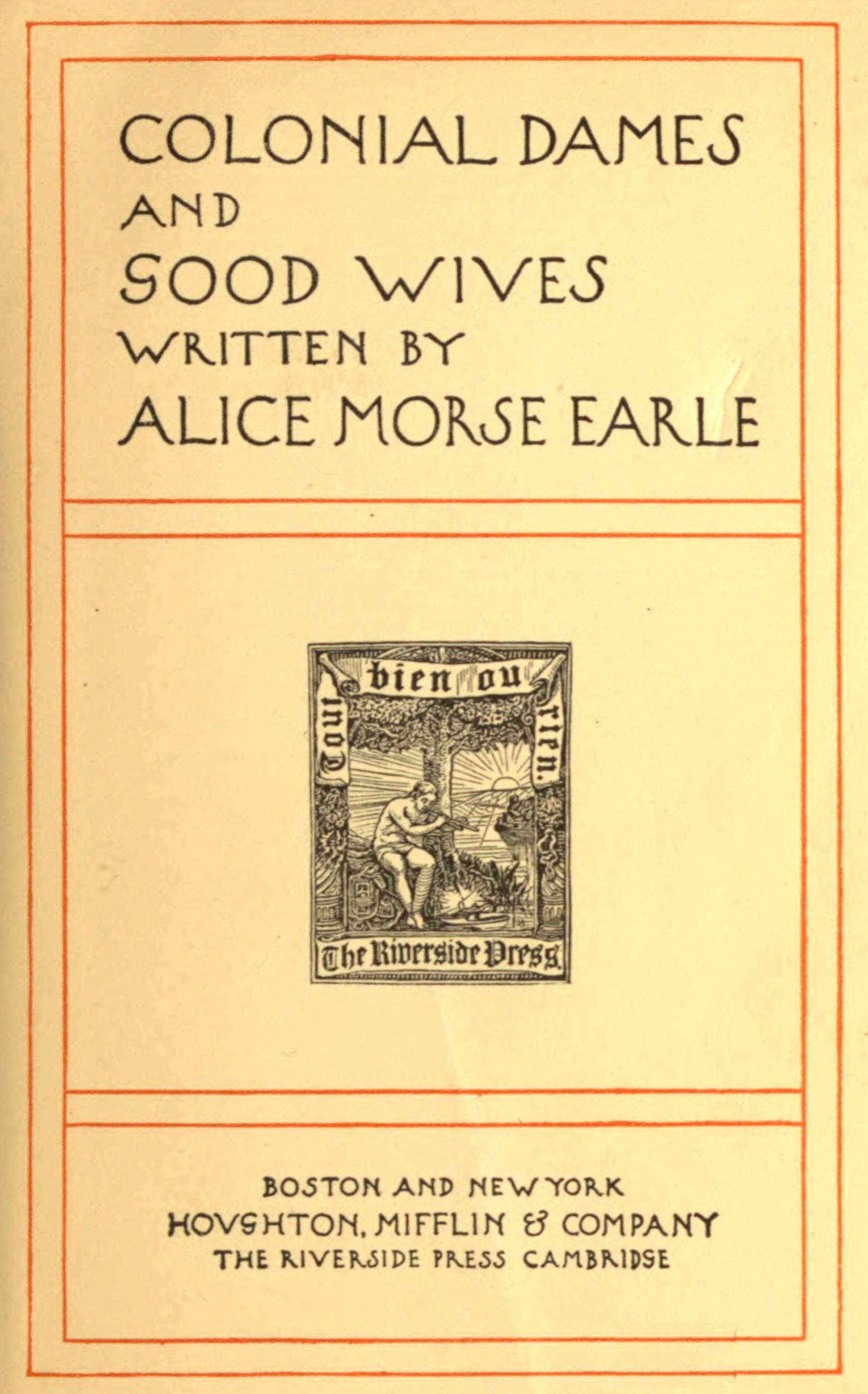
Colonial Days in Old New York
1896
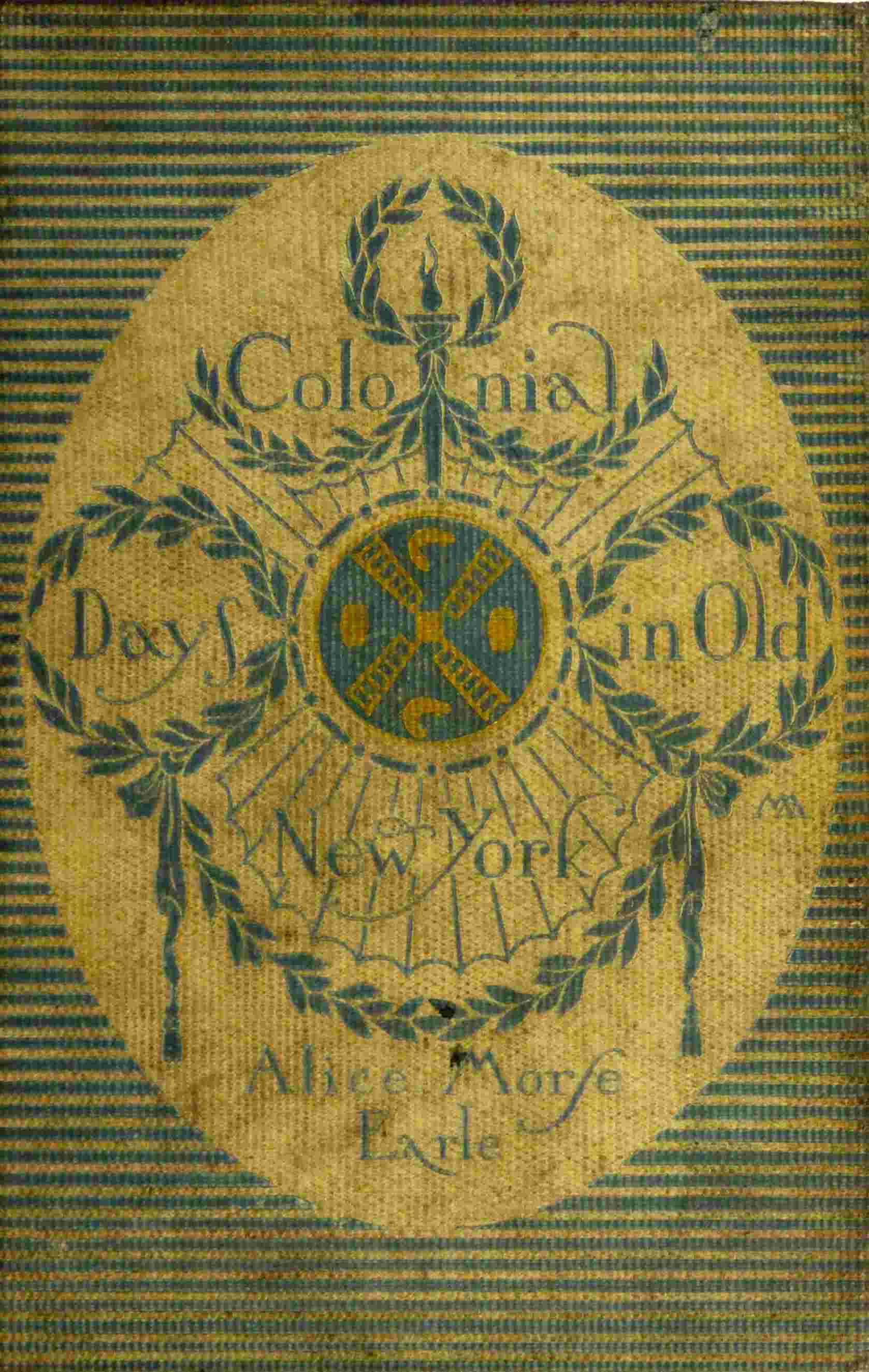
Colonial Days in Old New York
1896
Step into colonial New York before it became New York. Alice Morse Earle's 1896 gem transports readers to the Dutch settlements where the day began with a cowherd's horn echoing through Albany's streets and the rhythmic clanging of cowbells marked the passage of time. This is history rendered with astonishing intimacy: the particular smells of bread baking in Dutch ovens, the rustle of linen aprons, the sound of men's boots on cobblestones as they walked to their workshops. Earle captured something precious about the rhythms of early American life that had already begun fading by her own Victorian era. She writes of women tending kitchen gardens and preserving winter stores, of men practicing trades that would shape the city's character, of a community bound together by shared language, shared customs, and a fierce connection to the old country. The book reads less like a textbook and more like a love letter to a world that existed, however briefly, in the marshes and streets of seventeenth-century New Amsterdam. For anyone curious about the roots of American cities, or simply hungry for a quieter time rendered in loving detail.
Editions
Link to this book
Add a free, dofollow link to Lex on your blog, forum, syllabus, or reading list.

<a href="https://lex-books.com/book/colonial-days-in-old-new-york-1feb69db-438e-418b-a715-fe3f8a96de32"><img src="https://lex-books.com/badges/read-on-lex.svg" alt="Read Colonial Days in Old New York by Alice Morse Earle free on Lex" width="160" height="40"></a>[](https://lex-books.com/book/colonial-days-in-old-new-york-1feb69db-438e-418b-a715-fe3f8a96de32)[url=https://lex-books.com/book/colonial-days-in-old-new-york-1feb69db-438e-418b-a715-fe3f8a96de32][img]https://lex-books.com/badges/read-on-lex.svg[/img][/url]Read Colonial Days in Old New York by Alice Morse Earle free on Lex: https://lex-books.com/book/colonial-days-in-old-new-york-1feb69db-438e-418b-a715-fe3f8a96de32Cite this book
Reading this edition for a paper or guide? Copy a citation.
Earle, Alice Morse. Colonial Days in Old New York. Lex, lex-books.com/book/colonial-days-in-old-new-york-1feb69db-438e-418b-a715-fe3f8a96de32.Earle, A. M. (1896). Colonial Days in Old New York. Lex. https://lex-books.com/book/colonial-days-in-old-new-york-1feb69db-438e-418b-a715-fe3f8a96de32Earle, Alice Morse. Colonial Days in Old New York. Lex. https://lex-books.com/book/colonial-days-in-old-new-york-1feb69db-438e-418b-a715-fe3f8a96de32.