Corsairs of the Cosmos
1934
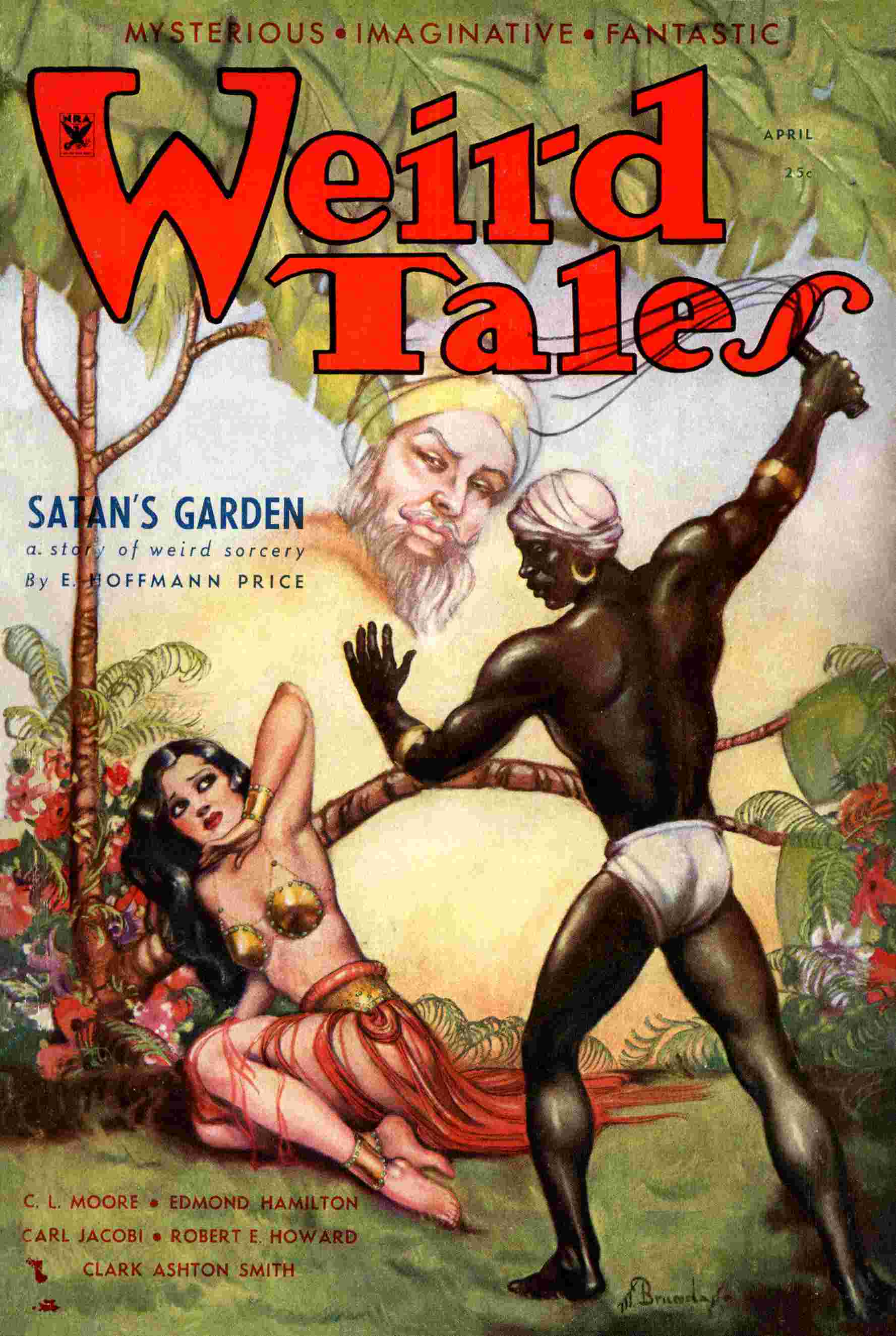
The year is 1934. The stars are going dark. A dying race of machines has crossed the void between galaxies with a single, terrifying purpose: to steal your sun. Edmond Hamilton's Corsairs of the Cosmos is pulp science fiction at its most magnificent, a tale of interstellar war waged with captured stars as weapons and the fate of two galaxies hanging in the balance. Captain Dur Nal and the Interstellar Patrol face impossible odds when twenty suns are dragged screaming from their orbits, ripped free by artificial propulsion systems grafted onto stellar bodies. The machines are methodical, ancient, desperate, they will watch their own world die unless they harvest the young suns of another galaxy. But Dur Nal has a plan. One hundred dark stars, commandeered and repurposed. A desperate mission across the void into the enemy galaxy itself. A counterattack that risks everything. Hamilton writes with the breathless grandeur that earned him the title "the Shakespeare of Science Fiction." This is cosmic adventure stripped to its essence: bold heroes, impossible odds, and the sheer audacity to fight back against a force that devours stars. The universe feels vast and strange and dangerous, a place where ordinary courage can reshape the fate of galaxies. It endures because it captures something pure about the thrill of exploration, the refusal to surrender, and the belief that a clever crew with a daring plan can hold back the darkness.
Editions

Link to this book
Add a free, dofollow link to Lex on your blog, forum, syllabus, or reading list.

<a href="https://lex-books.com/book/corsairs-of-the-cosmos-4299f959-1be2-4d02-ac1d-c204a8d75b09"><img src="https://lex-books.com/badges/read-on-lex.svg" alt="Read Corsairs of the Cosmos by Edmond Hamilton free on Lex" width="160" height="40"></a>[](https://lex-books.com/book/corsairs-of-the-cosmos-4299f959-1be2-4d02-ac1d-c204a8d75b09)[url=https://lex-books.com/book/corsairs-of-the-cosmos-4299f959-1be2-4d02-ac1d-c204a8d75b09][img]https://lex-books.com/badges/read-on-lex.svg[/img][/url]Read Corsairs of the Cosmos by Edmond Hamilton free on Lex: https://lex-books.com/book/corsairs-of-the-cosmos-4299f959-1be2-4d02-ac1d-c204a8d75b09Cite this book
Reading this edition for a paper or guide? Copy a citation.
Hamilton, Edmond. Corsairs of the Cosmos. Lex, lex-books.com/book/corsairs-of-the-cosmos-4299f959-1be2-4d02-ac1d-c204a8d75b09.Hamilton, E. (1934). Corsairs of the Cosmos. Lex. https://lex-books.com/book/corsairs-of-the-cosmos-4299f959-1be2-4d02-ac1d-c204a8d75b09Hamilton, Edmond. Corsairs of the Cosmos. Lex. https://lex-books.com/book/corsairs-of-the-cosmos-4299f959-1be2-4d02-ac1d-c204a8d75b09.