Common Sense
1776
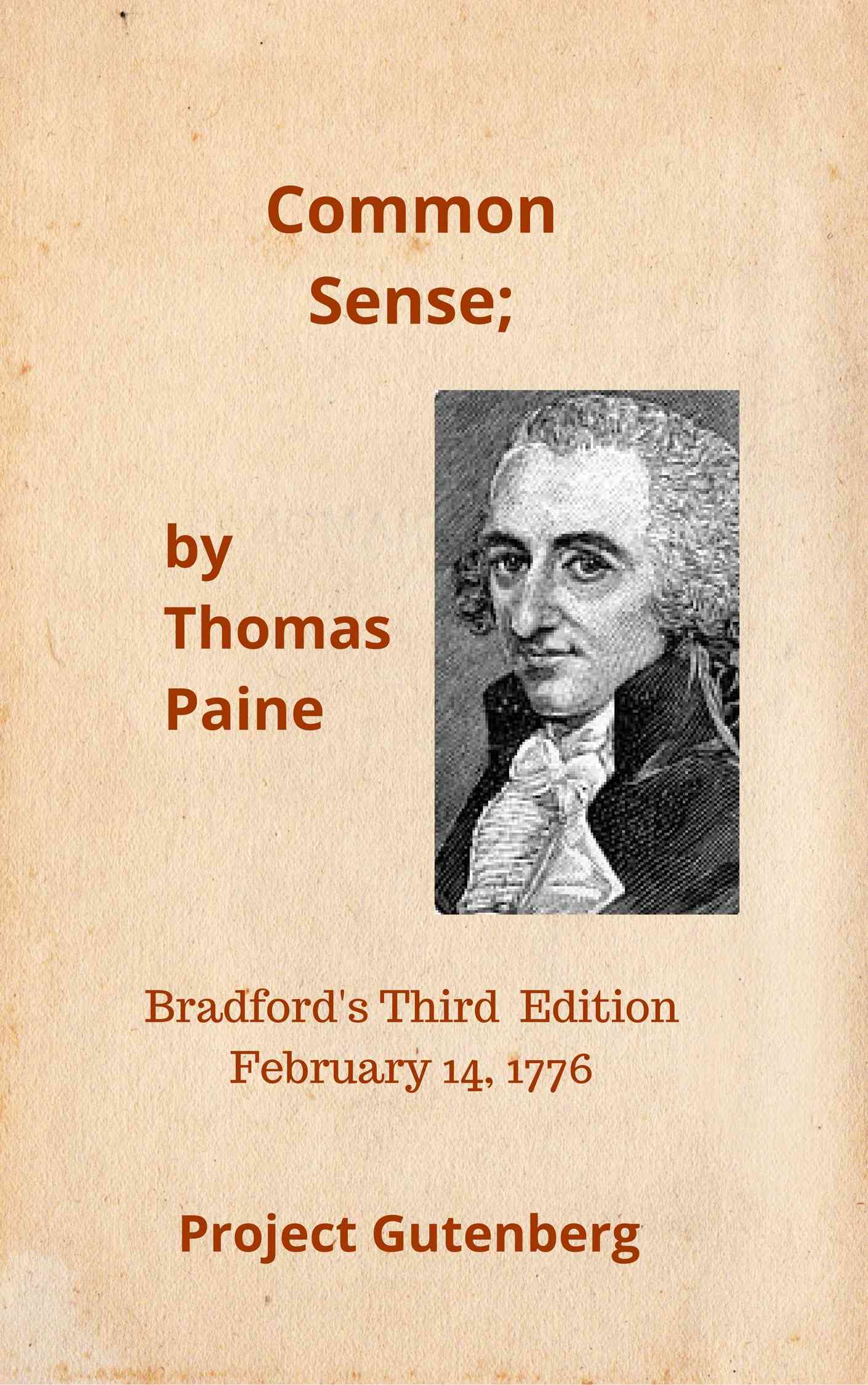
Common Sense
1776
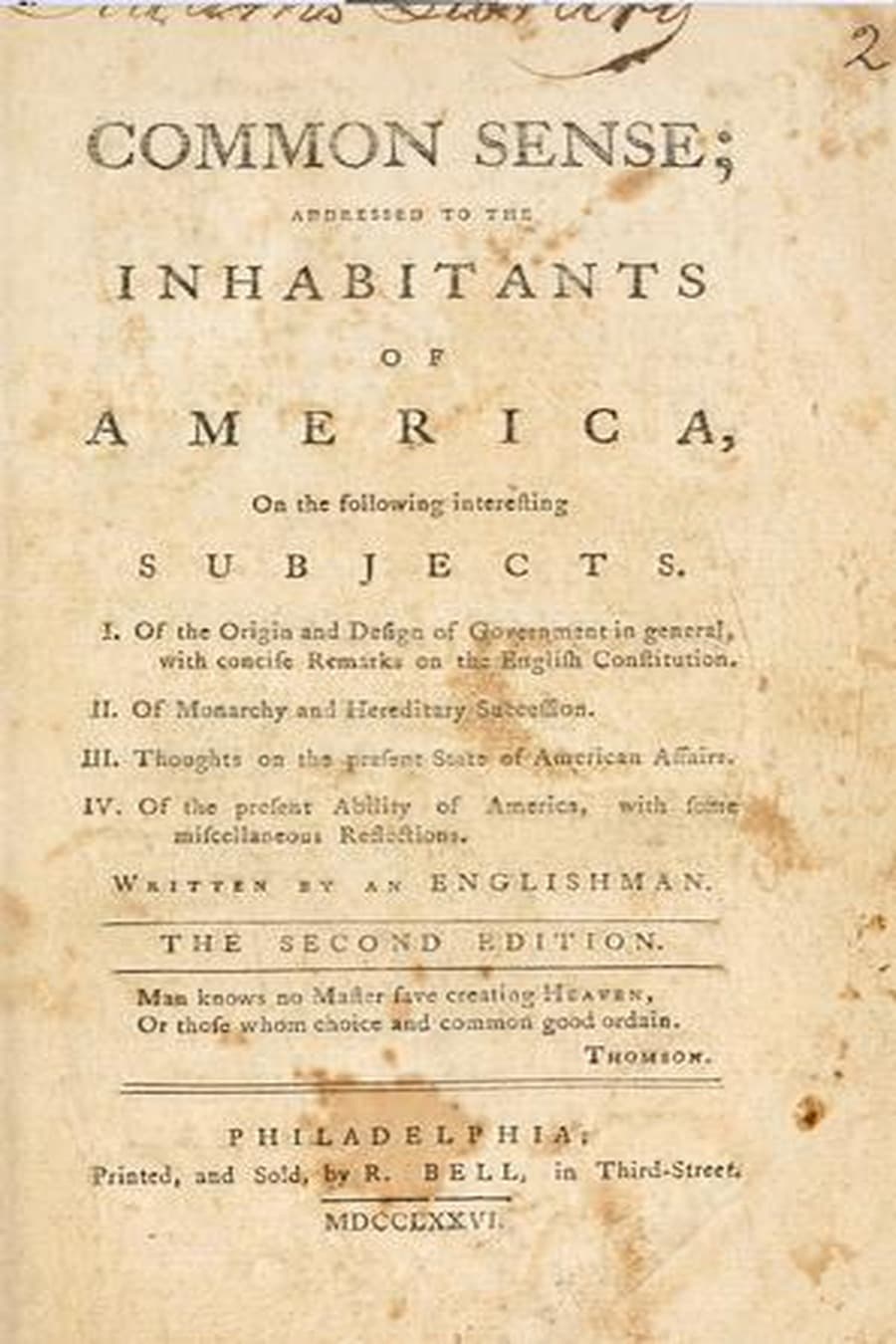
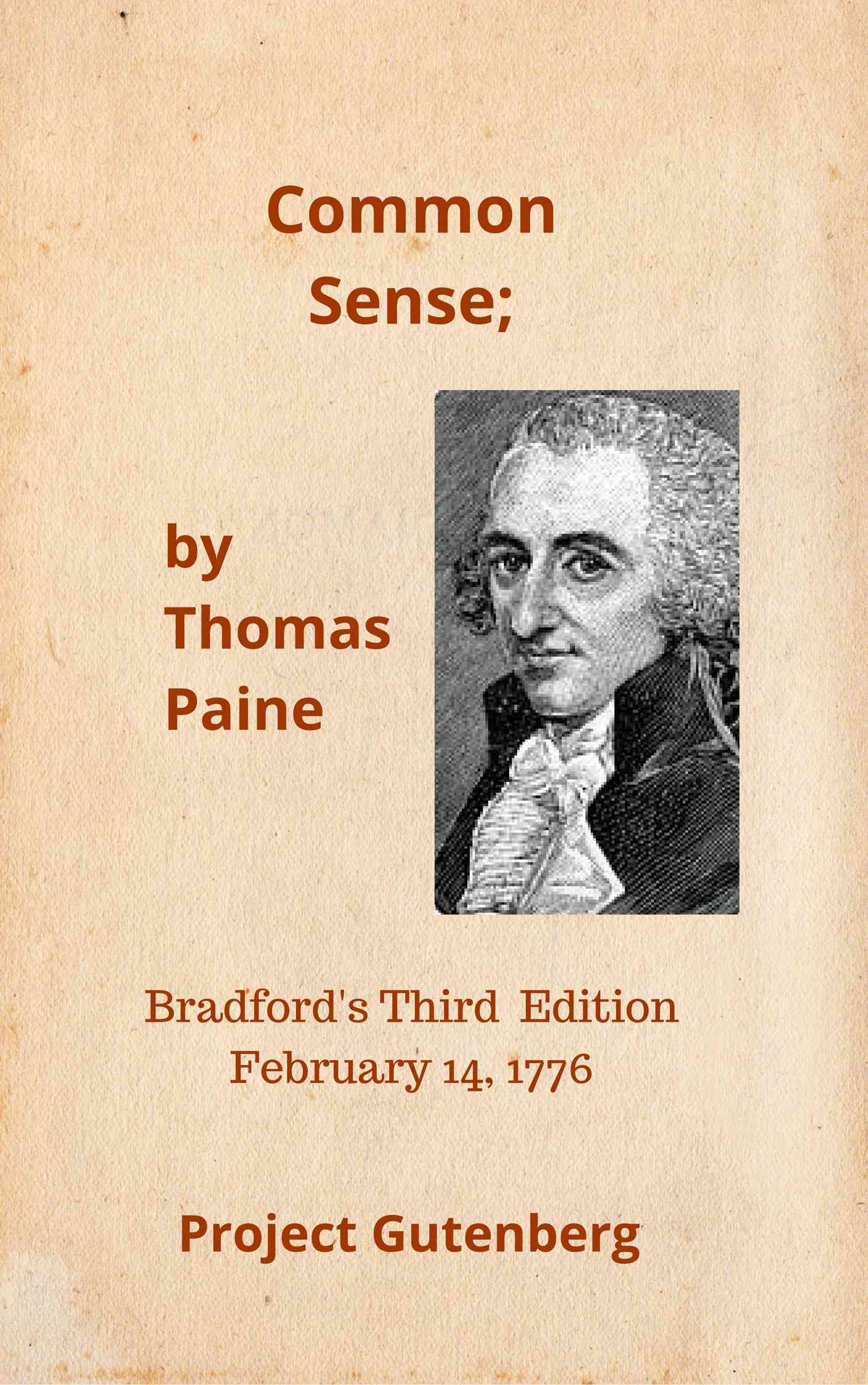
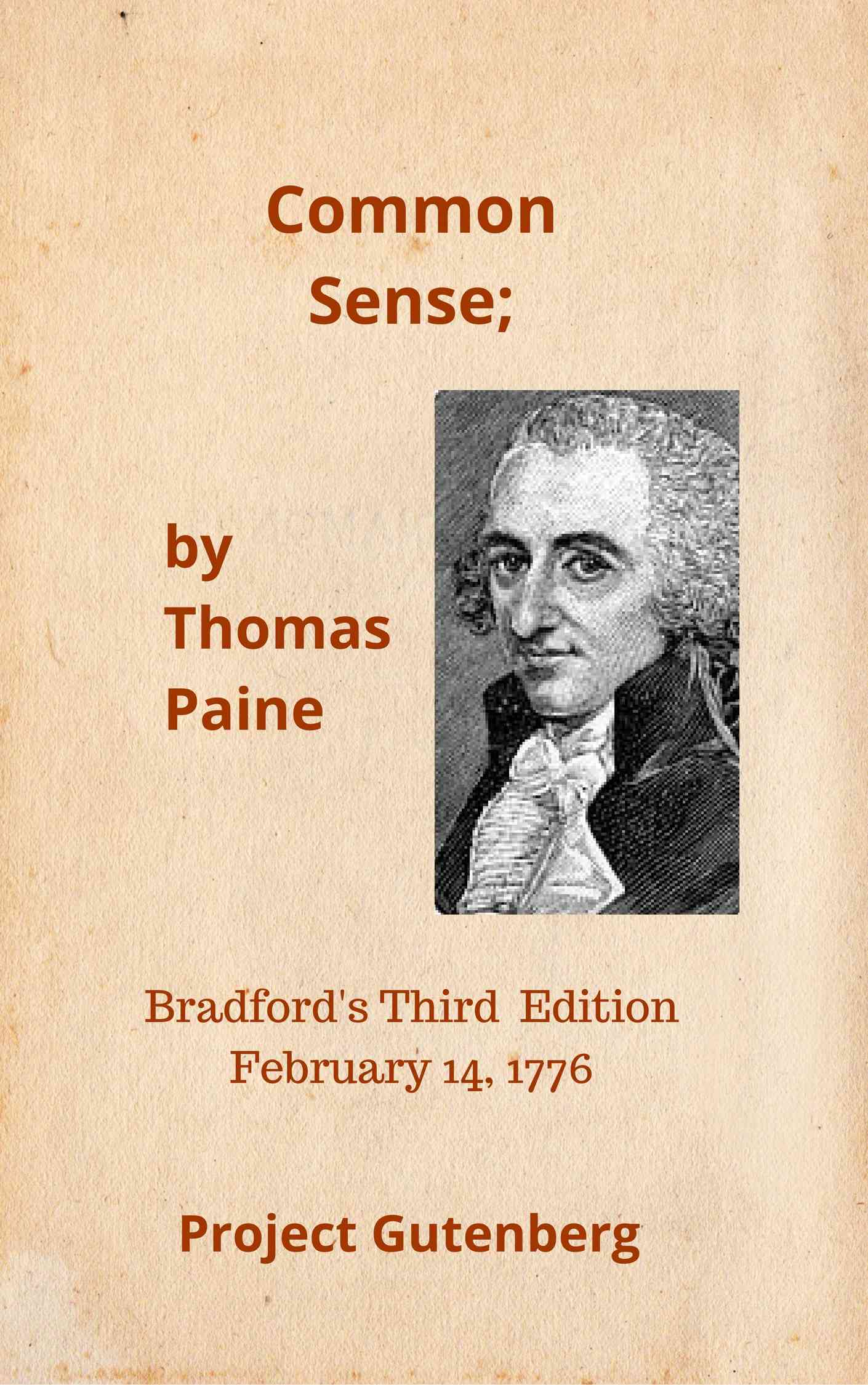
In January 1776, a quiet Englishman working as a corsetmaker in Philadelphia lit a fuse under the American colonies. Common Sense dropped like a bomb into a culture exhausted by half a century of British broken promises, and within months it had sold half a million copies, a figure almost incomprehensible for the time. Paine wrote for the common reader, stripping away the Latinate complexity favored by colonial elites and speaking plainly about monarchy, inheritance, and the absurd pretense that an island thousands of miles away should govern an emerging continent. His argument was simple: government is a necessary evil, hereditary monarchy is an even greater one, and a continent full of capable people had no business kneeling to a distant crown. The pamphlet didn't invent the desire for independence, it gave that desire a voice sharp enough to cut through centuries of deference. It remains the most influential political pamphlet in American history, the spark that turned political philosophy into revolutionary action. Anyone curious about where the modern world began should read it.
Editions

X-Ray
“Simplicity, patience, compassion.These three are your greatest treasures.Simple in actions and thoughts, you return to the source of being.Patient with both friends and enemies,you accord with the way things are.Compassionate toward yourself,you reconcile all beings in the world.””
— Thomas Paine
“Knowing others is intelligence;knowing yourself is true wisdom.Mastering others is strength; mastering yourself is true power.””
— Thomas Paine
“Those who know do not speak. Those who speak do not know.””
— Thomas Paine
“When you are content to be simply yourself and don't compare or compete, everyone will respect you.””
— Thomas Paine
“The truth is not always beautiful, nor beautiful words the truth.””
— Thomas Paine
“A man with outward courage dares to die; a man with inner courage dares to live.””
— Thomas Paine
“Do you have the patience to wait until your mud settles and the water is clear?””
— Thomas Paine
“The flame that burns Twice as bright burns half as long.””
— Thomas Paine
“If you understand others you are smart.If you understand yourself you are illuminated.If you overcome others you are powerful.If you overcome yourself you have strength.If you know how to be satisfied you are rich.If you can act with vigor, you have a will.If you don't lose your objectives you can be long-lasting.If you die without loss, you are eternal.””
— Thomas Paine
Link to this book
Add a free, dofollow link to Lex on your blog, forum, syllabus, or reading list.

<a href="https://lex-books.com/book/common-sense-e708b0af-fb00-4b9b-a46f-dfc0ca149cd1"><img src="https://lex-books.com/badges/read-on-lex.svg" alt="Read Common Sense by Thomas Paine free on Lex" width="160" height="40"></a>[](https://lex-books.com/book/common-sense-e708b0af-fb00-4b9b-a46f-dfc0ca149cd1)[url=https://lex-books.com/book/common-sense-e708b0af-fb00-4b9b-a46f-dfc0ca149cd1][img]https://lex-books.com/badges/read-on-lex.svg[/img][/url]Read Common Sense by Thomas Paine free on Lex: https://lex-books.com/book/common-sense-e708b0af-fb00-4b9b-a46f-dfc0ca149cd1Cite this book
Reading this edition for a paper or guide? Copy a citation.
Paine, Thomas. Common Sense. Lex, lex-books.com/book/common-sense-e708b0af-fb00-4b9b-a46f-dfc0ca149cd1.Paine, T. (1776). Common Sense. Lex. https://lex-books.com/book/common-sense-e708b0af-fb00-4b9b-a46f-dfc0ca149cd1Paine, Thomas. Common Sense. Lex. https://lex-books.com/book/common-sense-e708b0af-fb00-4b9b-a46f-dfc0ca149cd1.