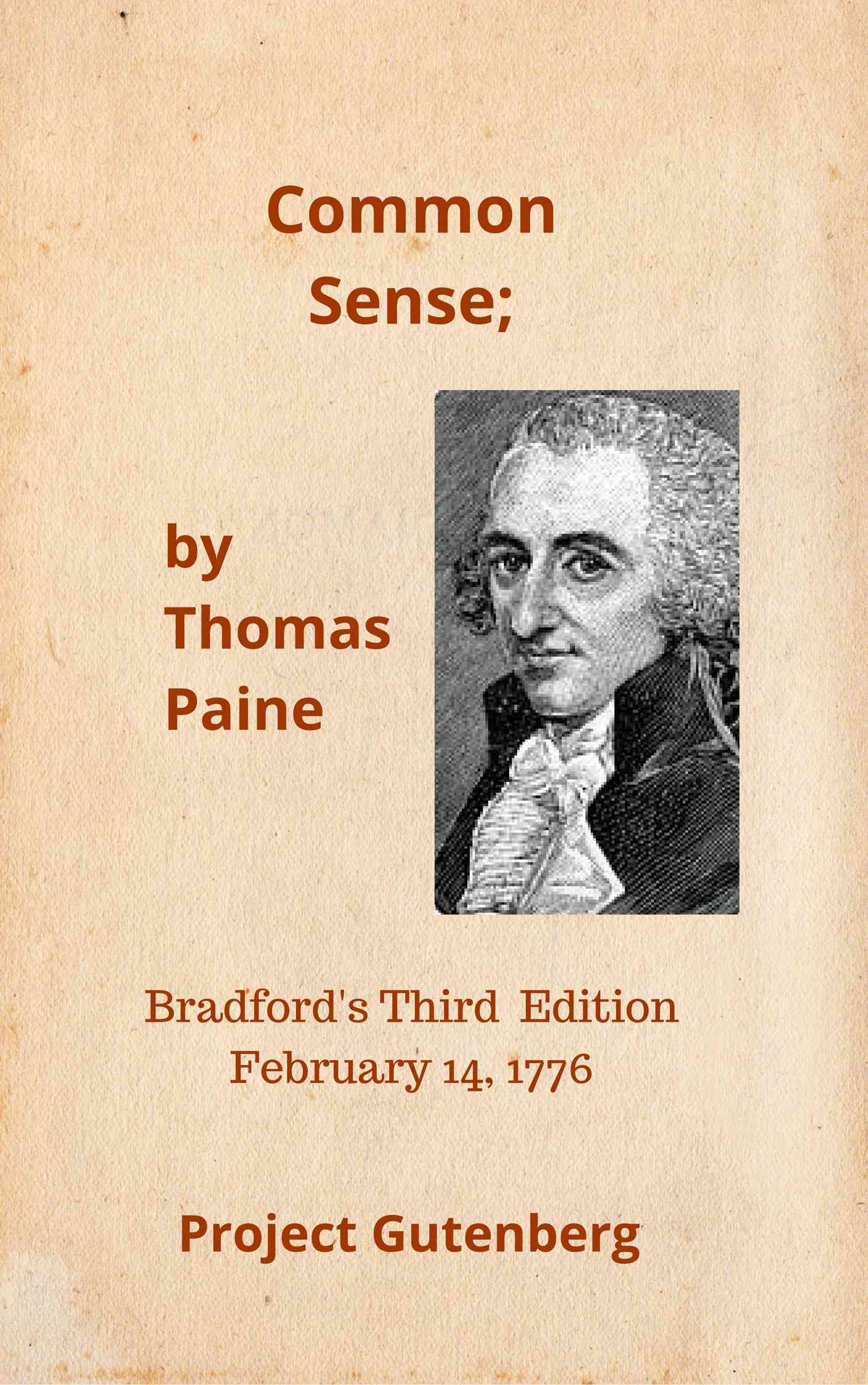
Common Sense
1776
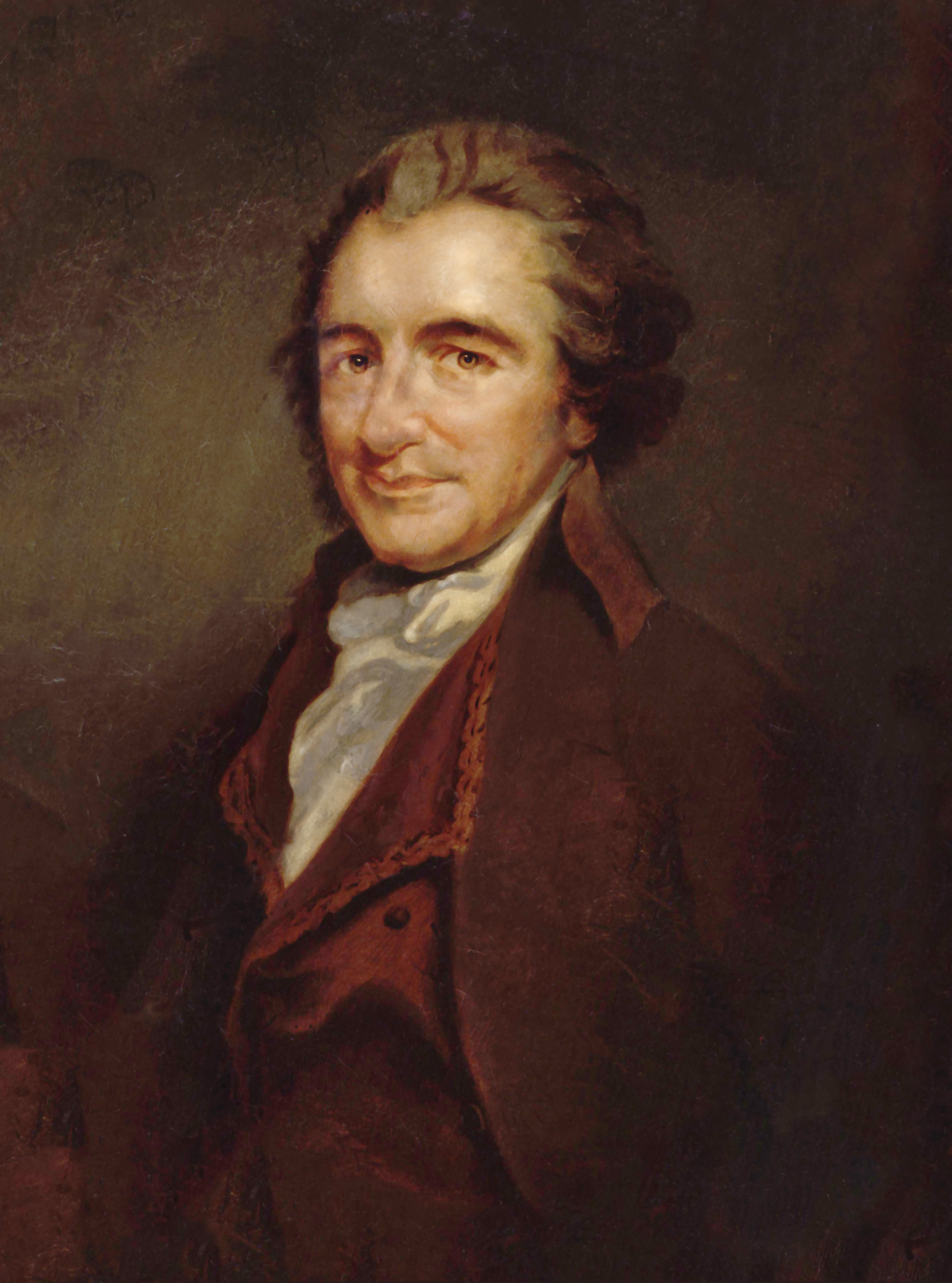
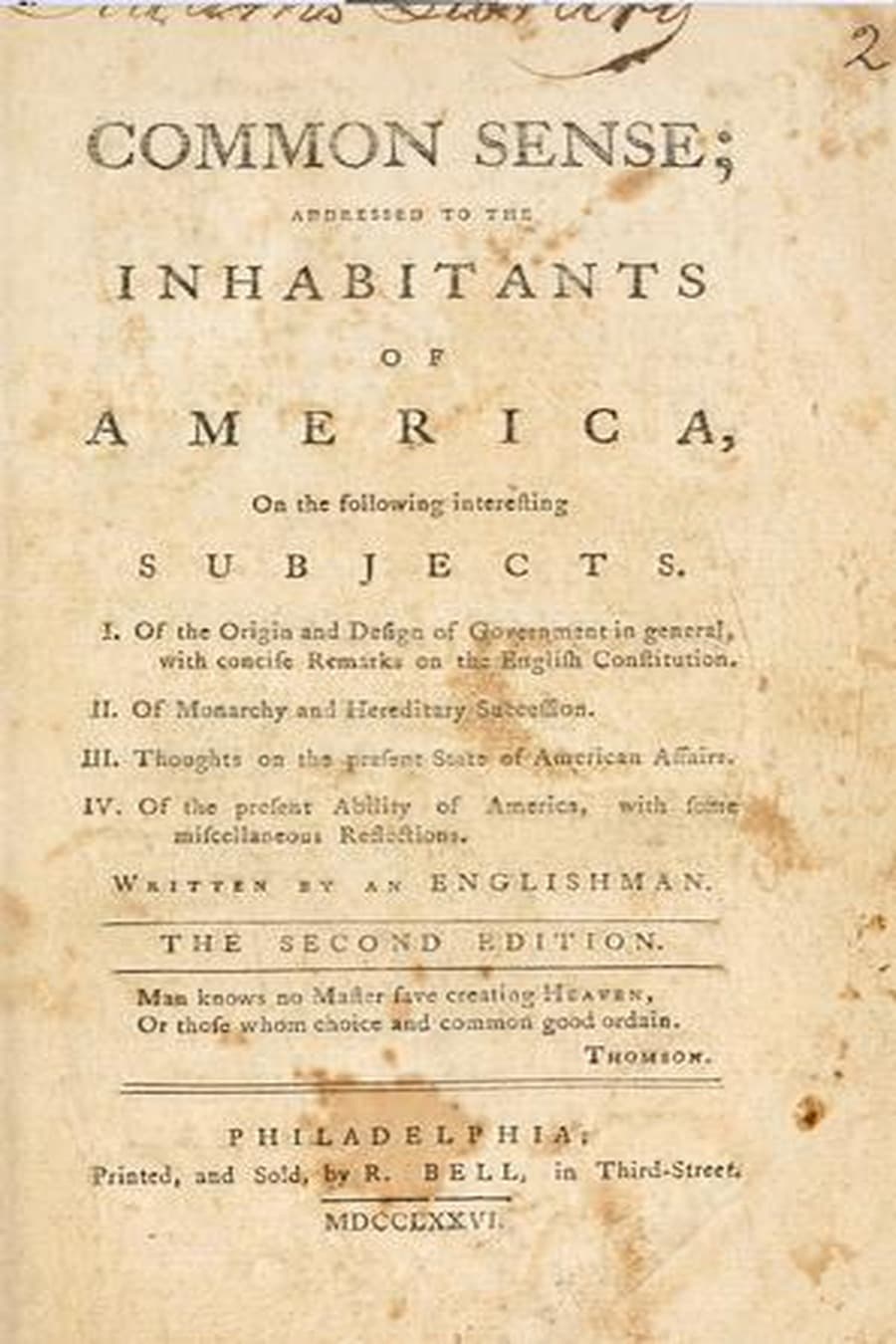
In January 1776, a unknown Englishman working as a corset-maker in Philadelphia published a forty-seven page pamphlet that would reshape the course of history. With no army, no political position, and only a printing press, Thomas Paine demolished the case for monarchy, dismissed hereditary succession as "unnatural," and laid out an plain-spoken argument that the American colonies had every right to govern themselves. He wrote not for scholars but for farmers, shopkeepers, and apprentices, translating Enlightenment philosophy into prose that burned. Common Sense sold roughly 500,000 copies in a population of 2.5 million, making it the most widely read book in American history. It did something no other revolutionary pamphlet achieved: it made independence feel not just possible, but inevitable. Before Paine, the colonies debated reconciliation with Britain. After Paine, they debated the form their new nation would take. Two centuries later, its arguments about power, consent, and the right to overthrow tyranny remain the foundation of democratic political thought.
Editions

X-Ray
“Simplicity, patience, compassion.These three are your greatest treasures.Simple in actions and thoughts, you return to the source of being.Patient with both friends and enemies,you accord with the way things are.Compassionate toward yourself,you reconcile all beings in the world.””
— Thomas Paine
“Knowing others is intelligence;knowing yourself is true wisdom.Mastering others is strength; mastering yourself is true power.””
— Thomas Paine
“Those who know do not speak. Those who speak do not know.””
— Thomas Paine
“When you are content to be simply yourself and don't compare or compete, everyone will respect you.””
— Thomas Paine
“The truth is not always beautiful, nor beautiful words the truth.””
— Thomas Paine
“A man with outward courage dares to die; a man with inner courage dares to live.””
— Thomas Paine
“Do you have the patience to wait until your mud settles and the water is clear?””
— Thomas Paine
“The flame that burns Twice as bright burns half as long.””
— Thomas Paine
“If you understand others you are smart.If you understand yourself you are illuminated.If you overcome others you are powerful.If you overcome yourself you have strength.If you know how to be satisfied you are rich.If you can act with vigor, you have a will.If you don't lose your objectives you can be long-lasting.If you die without loss, you are eternal.””
— Thomas Paine
Link to this book
Add a free, dofollow link to Lex on your blog, forum, syllabus, or reading list.

<a href="https://lex-books.com/book/common-sense-3eca3425-4551-44c1-8a52-1bcbbfa5357d"><img src="https://lex-books.com/badges/read-on-lex.svg" alt="Read Common Sense by Thomas Paine free on Lex" width="160" height="40"></a>[](https://lex-books.com/book/common-sense-3eca3425-4551-44c1-8a52-1bcbbfa5357d)[url=https://lex-books.com/book/common-sense-3eca3425-4551-44c1-8a52-1bcbbfa5357d][img]https://lex-books.com/badges/read-on-lex.svg[/img][/url]Read Common Sense by Thomas Paine free on Lex: https://lex-books.com/book/common-sense-3eca3425-4551-44c1-8a52-1bcbbfa5357dCite this book
Reading this edition for a paper or guide? Copy a citation.
Paine, Thomas. Common Sense. Lex, lex-books.com/book/common-sense-3eca3425-4551-44c1-8a52-1bcbbfa5357d.Paine, T. (1776). Common Sense. Lex. https://lex-books.com/book/common-sense-3eca3425-4551-44c1-8a52-1bcbbfa5357dPaine, Thomas. Common Sense. Lex. https://lex-books.com/book/common-sense-3eca3425-4551-44c1-8a52-1bcbbfa5357d.