City of God
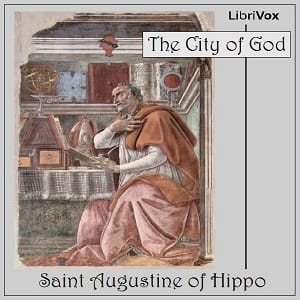
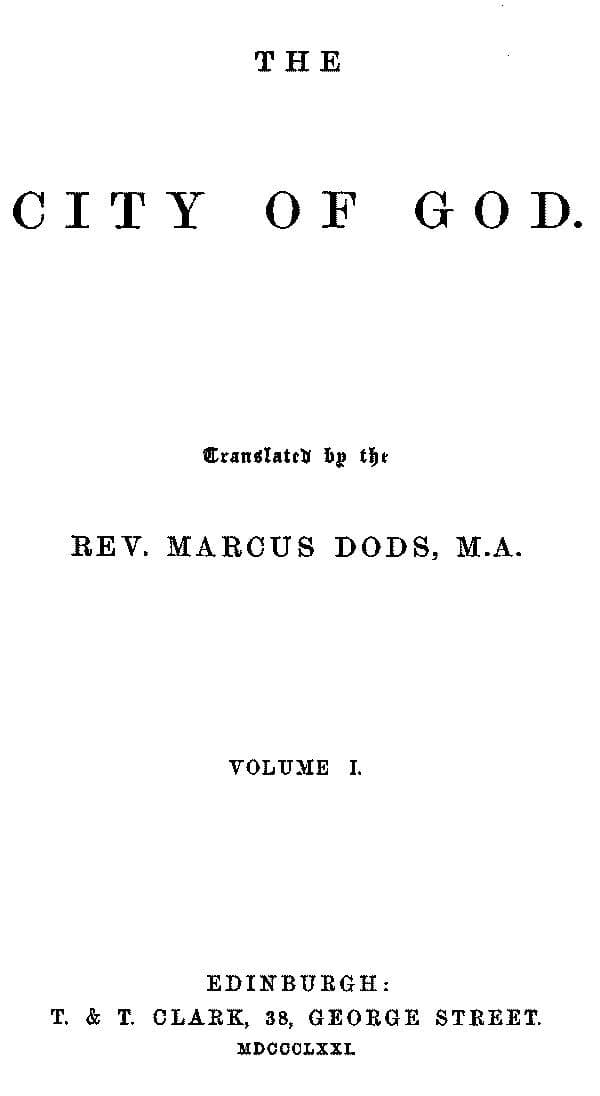
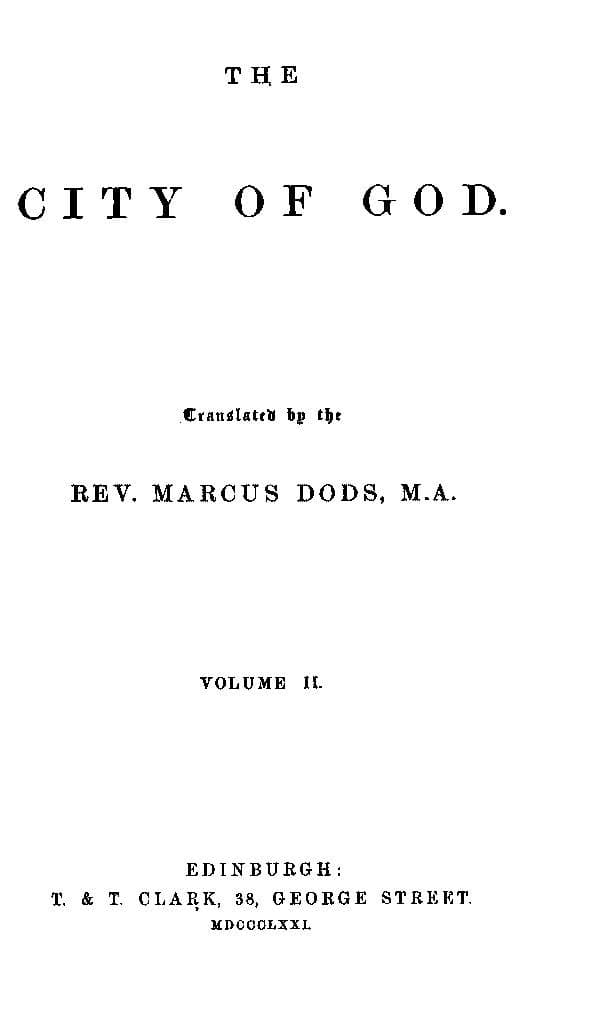
When Rome fell to the Visigoths in 410 CE, pagans blamed Christianity: surely this was punishment for abandoning the old gods? Augustine, bishop of Hippo, answered with one of the most ambitious works in Western thought. City of God defends Christianity against the charge that it brought ruin to Rome, but it does far more than that. Augustine constructs nothing less than a Christian philosophy of history, contrasting the "City of God" - the spiritual kingdom of those who love God - with the "City of Man" built on pride and worldly power. The first ten books demolish pagan arguments and address the problem of suffering. The final twelve unfold Augustine's vision of human society, politics, and salvation history. Written in the immediate aftermath of civilization's collapse, it asks: what survives when empires die? The answer shaped every subsequent debate about church and state, secular power, and the purpose of political life. For anyone seeking the roots of Western ideas about two kingdoms, the tension between faith and empire, and the question of what we owe to powers that will inevitably fail - this is where it begins.
Editions

Link to this book
Add a free, dofollow link to Lex on your blog, forum, syllabus, or reading list.

<a href="https://lex-books.com/book/city-of-god-82ee66ba-9447-4165-8f6a-02ebff6beb8d"><img src="https://lex-books.com/badges/read-on-lex.svg" alt="Read City of God by Saint, Bishop of Hippo Augustine free on Lex" width="160" height="40"></a>[](https://lex-books.com/book/city-of-god-82ee66ba-9447-4165-8f6a-02ebff6beb8d)[url=https://lex-books.com/book/city-of-god-82ee66ba-9447-4165-8f6a-02ebff6beb8d][img]https://lex-books.com/badges/read-on-lex.svg[/img][/url]Read City of God by Saint, Bishop of Hippo Augustine free on Lex: https://lex-books.com/book/city-of-god-82ee66ba-9447-4165-8f6a-02ebff6beb8dCite this book
Reading this edition for a paper or guide? Copy a citation.
Saint, Bishop of Hippo Augustine. City of God. Lex, lex-books.com/book/city-of-god-82ee66ba-9447-4165-8f6a-02ebff6beb8d.Saint, B. O. H. A. (n.d.). City of God. Lex. https://lex-books.com/book/city-of-god-82ee66ba-9447-4165-8f6a-02ebff6beb8dSaint, Bishop of Hippo Augustine. City of God. Lex. https://lex-books.com/book/city-of-god-82ee66ba-9447-4165-8f6a-02ebff6beb8d.